
Kremlin Orders Media to Brand Energy Attacks as 'Putin Strikes' to Boost Approval
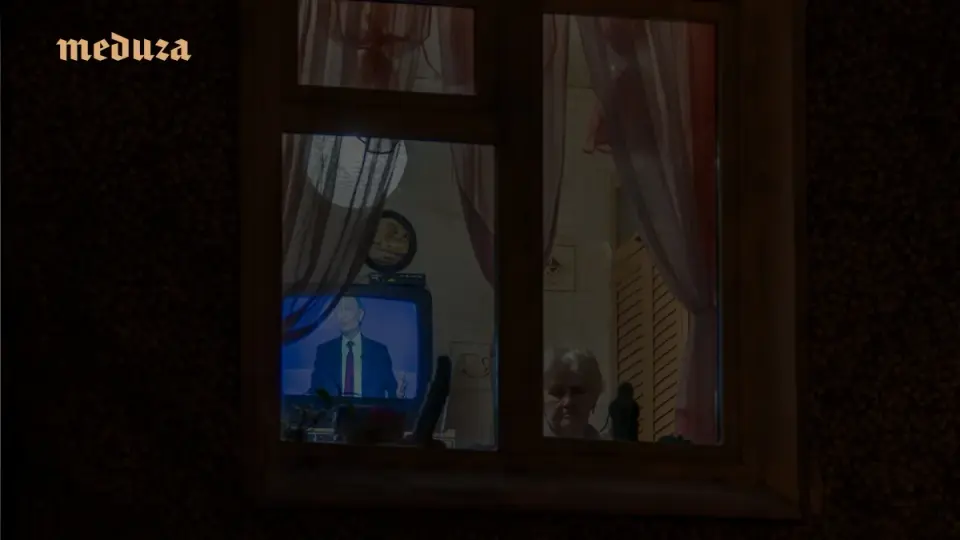
The Kremlin has instructed state-aligned Russian media to label attacks on Ukrainian energy infrastructure as 'Putin strikes,' a propaganda tactic modeled on Stalin-era military campaigns to boost the president's declining approval ratings.
Key points
- The Presidential Administration’s political bloc sent guidance to loyalist media, urging them to highlight the 'effectiveness' of Russian ballistic weapons and frame strikes as superior to Ukrainian military achievements.
- The term 'Putin strikes' has appeared in headlines across major outlets like Gazeta.ru, Novye Izvestia, and Rosbalt, often added by editors rather than quoted directly from sources like veterans.
- A political consultant noted the campaign aims to raise approval among pro-war, ultra-patriotic segments of society by providing a clear narrative of success, similar to the 'Ten Stalinist Strikes' of WWII.
- Polls from the Public Opinion Foundation show Putin’s approval rating dropped from 75% in July to 71% in early October, with trust falling from 74% to 70% over the same period.
- Putin previously ordered massive strikes on Ukrainian energy facilities in September, stating they were a response to Ukrainian attacks, and has since defended the targeting of data centers and other infrastructure.
Background
This propaganda push follows a period of escalating energy warfare. In late September, ISW reported Putin’s strategy to force capitulation by spring 2027 through sustained strikes on energy vulnerabilities. In early October, Zelensky confirmed a new Russian doctrine targeting civilian infrastructure and vowed expanded retaliation on Russian refineries. Recent Ukrainian strikes on Russian refineries and data centers have constrained Moscow’s war economy, prompting the Kremlin to emphasize its own offensive capabilities.
How outlets are covering it
Meduza provides detailed insight into the internal Kremlin directive and the specific media outlets adopting the 'Putin strikes' terminology, linking it to a deliberate effort to counter falling approval ratings. The Telegraph source is inaccessible due to a security block, offering no additional perspective. The archive context confirms the broader escalation in energy strikes and the strategic rationale behind Putin’s winter campaign, but does not address the domestic propaganda angle highlighted by Meduza.
Why it matters
The shift to branded military terminology signals a pivot in Russian domestic messaging, aiming to frame energy strikes as decisive victories rather than collateral damage. This could influence public perception of the war’s progress and potentially affect support for the conflict among key demographic groups.
What to watch
Monitor whether the 'Putin strikes' narrative gains traction in Russian public discourse or if it faces backlash. Watch for any changes in Putin’s approval ratings in subsequent polls and observe if the Kremlin expands this branding to other military operations or diplomatic initiatives.
- The Kremlin wants Russian media to call attacks on Ukraine’s energy infrastructure ‘Putin strikes.’ The inspiration? Stalin. Meduza
- This Could Be Ukraine's Worst Winter Yet - Persuasion Persuasion | Yascha Mounk
- Russia expands attacks on energy facilities to western Ukraine Reuters
- Putin is carrying the war to Ukraine’s civilians. This is how to stop him The Telegraph
- Why Russia Sees a Window to Bomb Ukraine Into Submission This Winter The New York Times
Want the full story? Read the original reporting
Read on Meduza