
Mahmood Reopens UK Refugee Resettlement Scheme with Tight Caps and New Sponsorship Routes
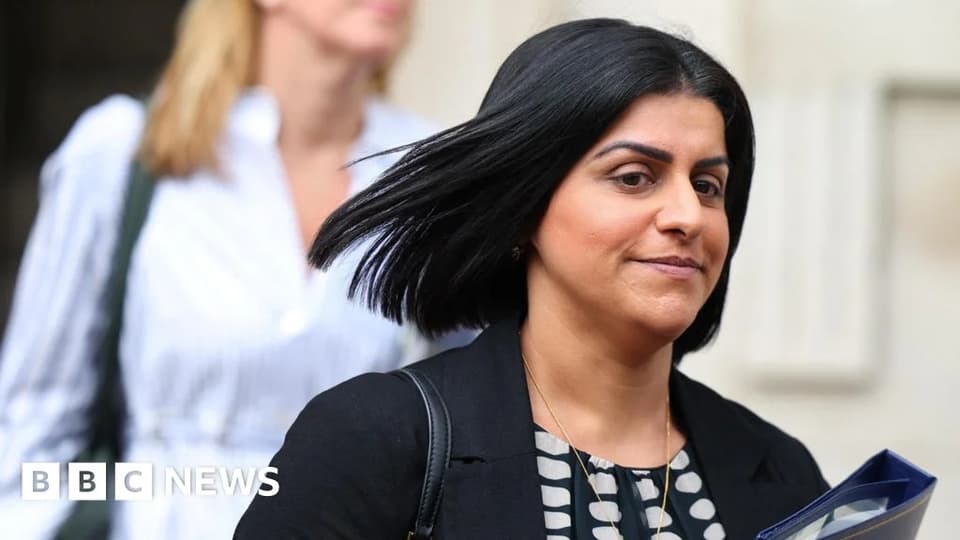
UK Home Secretary Shabana Mahmood has announced the immediate reopening of the UK Resettlement Scheme (UKRS), which was effectively suspended in December 2024. The move prioritizes Afghan women and girls and Palestinian refugees, with approximately 25% of arrivals expected to come from these groups. While the government aims to provide 'safe and legal' routes to deter small boat crossings, critics argue the initial numbers are too small to have a significant impact. New sponsorship routes for communities, universities, and companies will also launch, though annual caps remain tight.
Key points
- The UK Resettlement Scheme (UKRS) will reopen immediately, prioritizing Afghan women/girls and Palestinians.
- Approximately 25% of arrivals are expected to be from these priority groups.
- New sponsorship routes for communities, universities, and companies will launch, with the first arrivals expected by autumn 2027.
- Refugees arriving via the scheme will have a five-year path to permanent settlement, contrasting with the 20-year review period for those arriving via irregular routes.
- The government expects initial arrivals to be in the hundreds, growing to the 'low thousands' as illegal migration falls.
Background
The UKRS had been effectively suspended since December 2024, though never formally closed. Previous schemes, such as those for Afghans and Ukrainians, were closed or discontinued in July 2025. The government has also paused refugee family reunion applications since September 2025. This move follows a period of tightened asylum reforms, including plans to double the time for migrant workers to qualify for permanent residence.
How outlets are covering it
The government, led by Mahmood, frames the reopening as a way to 'live up to international obligations' and 'unlock the inherent generosity of the country' while maintaining 'capped and controlled' borders. The Refugee Council and International Rescue Committee welcome the move but argue the numbers are too small to deter small boat crossings, calling for 'thousands of places, not hundreds.' Conservative shadow home secretary Chris Philp criticizes the move as a 'desperate attempt to appease' Labour's left, arguing no more migrants should be admitted until illegal immigration is near zero. Reform UK leader Nigel Farage opposes the scheme, stating the UK is 'not obligated to take in more migrants' and questioning security checks after a report on a former Hamas bodyguard granted asylum. Migration experts, such as Madeleine Sumption from the University of Oxford, note that resettlement is unlikely to significantly impact unauthorized arrivals and that prioritizing vulnerable refugees may increase state costs due to labor market struggles.
Why it matters
The reopening of the UKRS signals a shift in the UK's asylum policy, attempting to balance humanitarian obligations with strict border control. The tight caps and new sponsorship routes reflect the government's effort to manage public perception and political pressure, while critics debate the effectiveness and cost of the new measures. The move also highlights ongoing tensions between the Labour government, opposition parties, and refugee advocacy groups over the scale and nature of refugee resettlement.
What to watch
The UKRS will reopen immediately, with initial arrivals in the hundreds. Community and university sponsorship routes will open in October, with the first arrivals expected by autumn 2027. A work sponsorship route for companies is expected to open in spring 2027. Annual caps will be set, though specific numbers have not yet been provided. The government will continue to monitor small boat crossings and adjust the scheme as illegal migration levels fall.
- Shabana Mahmood to reopen scheme to resettle refugees in the UK BBC
- UK home secretary to restart resettlement program prioritizing Palestinian refugees, Afghans The Jerusalem Post
- UK to open new refugee resettlement routes for Afghan women and Palestinians The Guardian
- Afghans and Palestinians among refugees in reopened UK scheme The Times
- Mahmood to open new fast-track legal route for refugees The Telegraph
Want the full story? Read the original reporting
Read on BBC