
Merz dismisses Lavrov's 'nothing new' jab as proof Moscow is not ready for peace
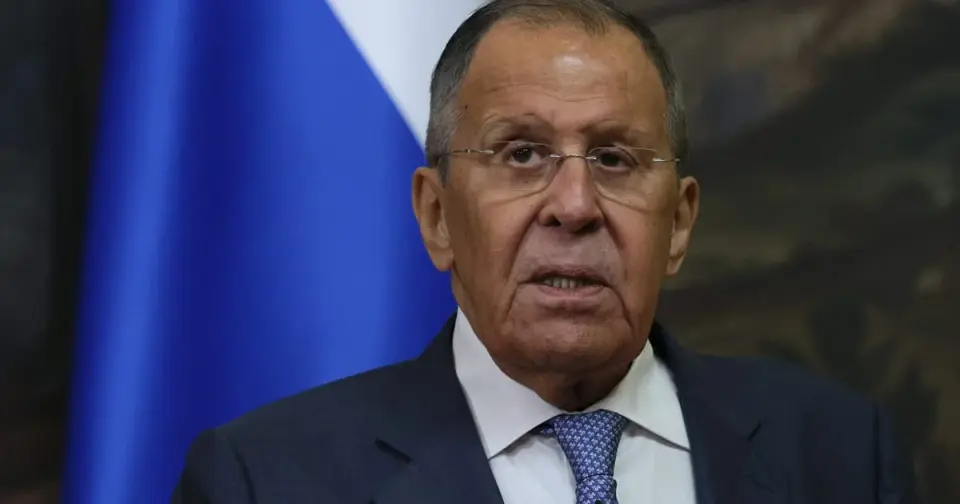
German Chancellor Friedrich Merz declared that Moscow is not interested in serious negotiations after Russian Foreign Minister Sergey Lavrov dismissed a recent meeting with German counterpart Johann Wadephul as uninformative. The exchange followed the first high-level diplomatic contact between the two nations since Russia's 2022 invasion of Ukraine. Merz vowed to continue supporting Ukraine militarily and economically, while Lavrov criticized Wadephul for merely repeating standard German positions.
Key points
- German Foreign Minister Johann Wadephul met with Sergey Lavrov at the United Nations on Saturday, marking the first ministerial-level dialogue between the two countries since the 2022 invasion.
- Lavrov criticized the meeting, stating that Wadephul only read out standard German positions and offered 'nothing new,' suggesting a telephone call would have sufficed.
- Chancellor Friedrich Merz responded on Tuesday by stating that Lavrov's dismissive comments prove Russia is not interested in 'serious talks' at this time.
- Merz reaffirmed Germany's commitment to assisting Ukraine militarily, politically, financially, and economically, warning that Russia will face significant economic damage if the war continues.
- Wadephul had previously called President Trump's invitation for Vladimir Putin to the G20 meeting in Miami an 'opportunity,' raising questions about a potential shift in German diplomatic stance.
Background
This diplomatic friction occurs against a backdrop of heightened tensions, including the recent Leipzig/Halle drone incident, which Berlin blamed on Moscow and which Lavrov previously dismissed as a 'start of real war' by the West. Additionally, Merz faces domestic political pressure, with recent polls showing his approval rating at approximately 14% and the CDU/CSU party facing challenges in upcoming state elections.
How outlets are covering it
Politico frames the incident as a clear signal from Merz that Moscow is not ready for peace, emphasizing the Chancellor's hardline stance and continued support for Ukraine. CNN focuses on the historic nature of the meeting itself, highlighting it as the first direct ministerial contact since the invasion, without explicitly detailing the subsequent public spat. The sources differ in emphasis: Politico highlights the political fallout and Merz's rebuttal, while CNN notes the diplomatic milestone without focusing on the negative reception from Lavrov.
Why it matters
The exchange underscores the fragility of diplomatic channels between Europe and Russia. Lavrov's dismissal of Wadephul's efforts suggests a lack of genuine intent for negotiation from Moscow, while Merz's response signals a firm European stance against concessions. This dynamic may influence future European security policies and the trajectory of the war in Ukraine.
What to watch
Germany is expected to continue its multi-faceted support for Ukraine, including military and economic aid. The diplomatic rift may complicate efforts to revive a grain deal or manage a global food crisis. Future interactions will likely remain tense, with Berlin maintaining its demand for European involvement in any peace negotiations and a path to EU membership for Ukraine.
- Merz says Lavrov comments show Moscow not interested in serious negotiations politico.eu
- German foreign minister says Lavrov meeting driven by Russia security concerns Reuters
- Russian Foreign Minister Vows Russia Will See Ukraine War Through The New York Times
- Merz Says Russia ‘Not at All Interested’ in Talks to End War Bloomberg.com
- At UN, Russia and Germany’s top diplomats hold first talks since invasion of Ukraine CNN
Want the full story? Read the original reporting
Read on politico.eu