
Merz faces historic CDU collapse as AfD and Die Linke surge in German state elections
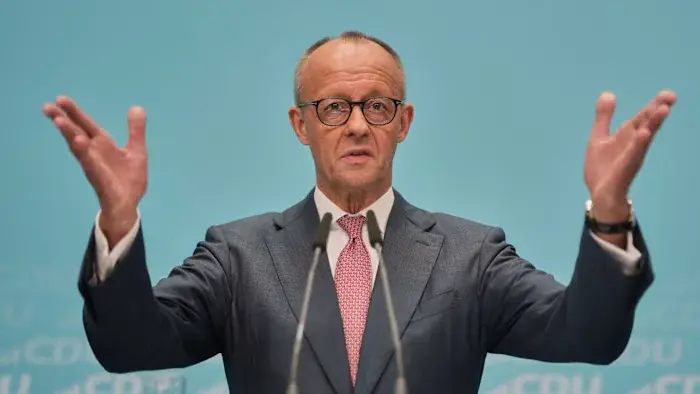
German Chancellor Friedrich Merz is facing a severe political crisis after his Christian Democratic Union (CDU) failed to cross the 5% threshold in Mecklenburg-Vorpommern, a historic first for the party. The far-right Alternative for Germany (AfD) won the state with 38%, while the hard-left Die Linke surged in Berlin. Merz, whose approval rating has hit a record low of 13%, vowed to stay in office and push through reforms despite internal party turmoil and coalition tensions.
Key points
- CDU missed the 5% parliamentary threshold in Mecklenburg-Vorpommern for the first time in post-war history, losing more than half its support.
- AfD won 38% in Mecklenburg-Vorpommern and secured a similar victory in Saxony-Anhalt two weeks prior, positioning itself to form a government.
- In Berlin, Die Linke overtook the CDU for first place, with the CDU vote share dropping by nearly 10 points to 18.8%.
- Merz’s approval rating has fallen to 13%, the lowest for any German chancellor since polling began, with 16 months in office.
- Merz vowed to continue reforms, including raising the retirement age to 67, despite opposition from coalition partner SPD and internal CDU dissent.
Background
This follows a series of regional defeats for the CDU in late September 2026, including a significant AfD victory in Saxony-Anhalt. Merz had previously pledged to maintain the CDU-SPD coalition to safeguard democratic stability, but the current results have intensified calls for leadership change and raised questions about the viability of his reform agenda.
How outlets are covering it
The Financial Times emphasizes Merz’s defensive stance, noting he blamed widespread discontent and 'destructive' populist forces while insisting no one questioned his personal capacity. BBC highlights the broader European implications, noting Germany’s status as the EU’s largest economy and the potential destabilization for the bloc. NBC News focuses on the coalition dynamics, noting that while SPD leaders support the coalition, they demand changes to the reform plans, particularly regarding the pension system. AfD co-leader Alice Weidel claims the party has displaced the CDU as the primary 'Volkspartei,' while CDU deputy leader Karin Prien argues that swapping leadership will not solve the underlying issues.
Why it matters
The electoral collapse of the CDU in eastern Germany signals a fundamental shift in the German party system, with the AfD and Die Linke gaining significant ground. This instability threatens Germany’s economic reforms and its role as a stabilizing force in the EU, potentially influencing upcoming elections across Europe and affecting international relations with the US and China.
What to watch
Merz will hold further meetings with CDU state premiers and party leadership to address the crisis. The SPD is expected to negotiate changes to the reform agenda, particularly regarding the retirement age. Five state elections are scheduled for next year, including in North Rhine-Westphalia, which could further test Merz’s leadership.
- Germany’s Merz hits out at ‘destructive’ forces as he fights for survival Financial Times
- Far-right AfD wins again as Germany's Merz slides Axios
- Friedrich Merz's political crisis threatens Germany's obsession with stability BBC
- German Chancellor Merz fights to survive historic defeat in regional elections NBC News
- After more German election gains, It’s getting harder to keep far-right AfD from power The Times of Israel
Want the full story? Read the original reporting
Read on Financial Times