
AfD Landslide in Saxony-Anhalt Forces Merz to Reassess Germany's 'Firewall' Strategy
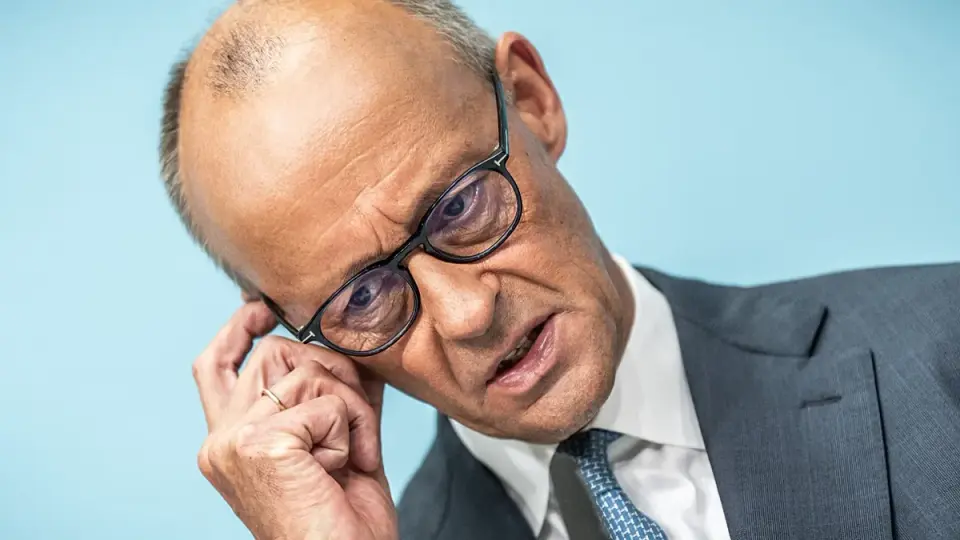
The Alternative for Germany (AfD) secured a historic 43.8% victory in the Saxony-Anhalt state election, far outpacing the CDU's 17.2%. Chancellor Friedrich Merz called the result 'profoundly shocking' but vowed to maintain his course, while the AfD seeks to form a minority government despite lacking an absolute majority. The outcome has intensified debates over the 'firewall' policy and the feasibility of the AfD's radical manifesto, which includes mass deportations and curriculum changes.
Key points
- AfD won 43.8% of the vote in Saxony-Anhalt, more than doubling its 2021 share, while the CDU's support was halved to 17.2%.
- Chancellor Friedrich Merz described the result as the 'most severe electoral defeat' for the CDU in years but stated he would not waver from his reform agenda.
- The AfD, led by Ulrich Siegmund, is attempting to form a government without an absolute majority by seeking support from individual MPs or the left-wing BSW party.
- The AfD's 258-page manifesto proposes 'remigration' of non-ethnic Germans, segregated schools for refugees, and a cultural policy that defunds 'anti-German' art.
- Calls for the resignation of CDU state leader Sven Schulze have grown, with the Young Union demanding a 'comprehensive fresh start' for the party's state leadership.
Background
This election follows a series of polls in early September 2026 showing the AfD gaining ground in eastern Germany, fueled by economic concerns and dissatisfaction with federal migration policies. Previous coverage noted that the AfD's surge in Saxony-Anhalt was seen as a test of the 'firewall' strategy, which has prevented the party from governing for years. The result is expected to influence upcoming regional elections in Mecklenburg-Vorpommern and the 2029 federal election.
How outlets are covering it
Euronews emphasizes the political shock to the federal government, highlighting Merz's admission that 'almost 60% of voters had chosen parties that call democracy into question' and his call for a new 'narrative' to counter the AfD. The Guardian focuses on the human impact, featuring interviews with residents in Magdeburg who expressed fear over the AfD's deportation policies and a sense of powerlessness, with some drawing parallels to the rise of the Nazis. CNN provides a detailed analysis of the AfD's policy platform, noting that while the party's manifesto is radical, federal laws may limit its ability to implement 'remigration' and other measures, and highlights the strategic challenge of forming a government without a majority.
Why it matters
The Saxony-Anhalt result marks a potential shift in German politics, as the AfD's success in a state election could serve as a blueprint for national influence. The outcome challenges the 'firewall' strategy and raises questions about the stability of the current federal government, with Merz facing declining approval ratings and internal pressure to resign. The AfD's attempt to govern without a majority could set a precedent for future elections and impact policies on migration, education, and culture across Germany.
What to watch
The AfD will attempt to form a government in Saxony-Anhalt by securing support from individual MPs or the BSW party. Merz plans to 'personally do justice' to the election result in the coming weeks, while the CDU and SPD work on a new communication strategy. The outcome of the Saxony-Anhalt government formation will likely influence the upcoming Mecklenburg-Vorpommern election and the 2029 federal election.
- Merz 'deeply shocked' after major AfD win in Saxony-Anhalt Euronews.com
- Far-right win leaves Germany's Merz shaken as AfD plots path to power Reuters
- ‘It breaks my heart’: far-right’s big election victory sparks dismay in German state capital The Guardian
- Mass deportations and separate schools for refugees: The far-right AfD’s vision for Germany CNN
- Germany’s ‘Firewall’ Against the Far Right Is Being Tested as Never Before The New York Times
Want the full story? Read the original reporting
Read on Euronews.com