
Montenegro's EU Bid Faces Translation Deadline and Geopolitical Pressure
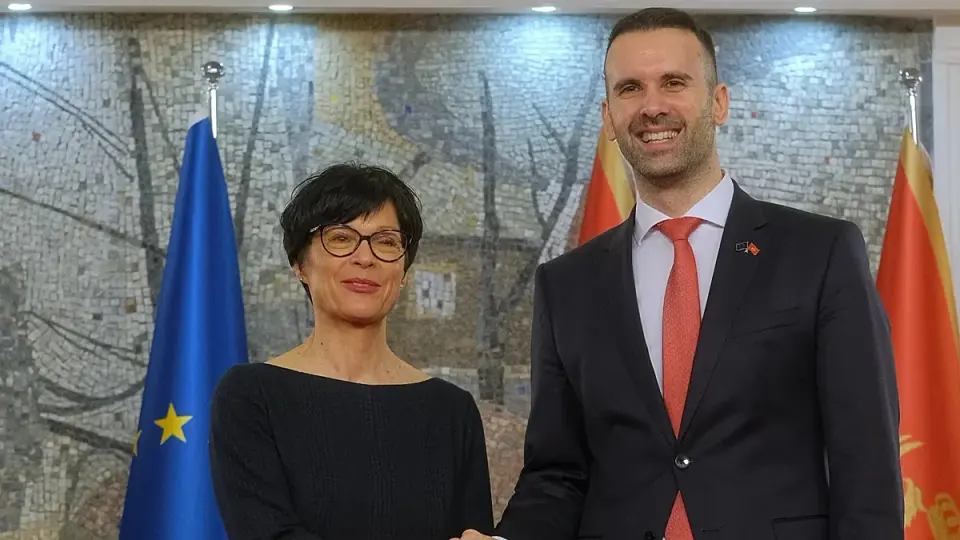
Montenegro aims to join the EU by 2028 but faces a critical hurdle: translating the entire EU legal framework into Montenegrin. While 18 of 33 accession chapters are closed, Brussels is exploring temporary derogations due to translation delays. Simultaneously, German and Austrian officials warn that slow progress risks losing influence to Russia and China in the region.
Key points
- Montenegro targets 2028 for EU membership, requiring full translation of the EU acquis into its official language.
- The European Commission is considering a temporary derogation, potentially allowing the use of Croatian, which is mutually intelligible with Montenegrin.
- Croatia has raised concerns about the quality of some translated legal texts, complicating the process.
- German Foreign Minister Johann Wadephul criticized the slow pace of enlargement, warning that credibility is at stake.
- Austrian officials warned that geopolitical rivals like Russia and China could exploit any delay in EU integration.
- EU Enlargement Commissioner Marta Kos noted that 2026 is a record year for closing negotiation chapters, with more expected in mid-October.
Background
Montenegro is the leading candidate for EU membership following Iceland's recent rejection of resuming accession talks. The bloc has faced setbacks in enlargement momentum, with Iceland's referendum highlighting the difficulty of expanding membership. Meanwhile, geopolitical tensions in the Western Balkans, including visits by Bosnian officials to Moscow, have heightened concerns about non-EU influence in the region.
How outlets are covering it
Euronews highlights the technical and linguistic challenges, focusing on the potential derogation and the political sensitivity of using Croatian. Politico emphasizes the geopolitical urgency, with German and Austrian officials warning that slow progress risks losing influence to Russia and China. Vijesti.me provides a more optimistic view, citing Commissioner Marta Kos's praise for Montenegro's reforms and the record pace of chapter closures. The sources differ in emphasis: Euronews focuses on the translation barrier, Politico on geopolitical pressure, and Vijesti.me on progress and momentum.
Why it matters
The outcome of Montenegro's accession process will set a precedent for EU enlargement in the Western Balkans. A delay or failure could embolden geopolitical rivals and undermine the EU's credibility in the region. Conversely, successful integration would strengthen EU influence and stability in the Balkans.
What to watch
The next intergovernmental conference in mid-October is expected to close several more negotiation chapters. The European Commission will continue to review Montenegro's translation progress and may finalize a decision on a temporary derogation. Geopolitical tensions in the region, including upcoming elections in Bosnia and Herzegovina, will also be monitored.
- Lost in translation: Montenegro's EU accession faces a language barrier Euronews.com
- ‘We have not delivered’: Germany’s Wadephul criticizes slow EU enlargement progress politico.eu
- Germany expresses optimism over Montenegro's EU ambitions DW.com
- Kos: We expect several more chapters to be closed by mid-October vijesti.me
- Wadephul to attend West Balkan EU expansion talks in Montenegro Yahoo
Want the full story? Read the original reporting
Read on Euronews.com