
Netanyahu’s 10-point unity demands clash with Eisenkot’s three-path coalition strategy
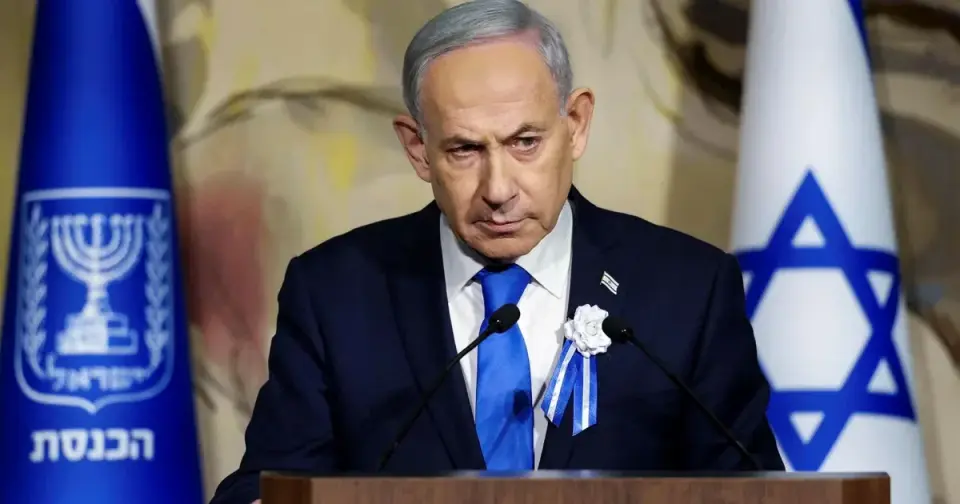
Netanyahu’s Likud party has presented a ten-point list of demands for a unity government with Gadi Eisenkot’s Yashar party, including Netanyahu serving as sole prime minister for four years and no state commission of inquiry into the October 7 attacks. Eisenkot’s bloc dismissed the proposal as 'spin' and is pursuing three alternative paths: a unity deal, a coalition with ultra-Orthodox parties, or a minority government supported by Arab-led factions. Key obstacles include disagreements over the premiership, judicial overhaul laws, and military conscription exemptions for Haredi men.
Key points
- Likud’s ten-point demands include Netanyahu serving as sole PM for four years, no state commission of inquiry into October 7, retention of judicial overhaul laws, and inclusion of far-right Otzma Yehudit in the coalition.
- Eisenkot’s bloc dismissed the unity proposal as 'spin' and is pursuing three paths: unity with Netanyahu, a coalition with ultra-Orthodox parties, or a minority government supported by Arab-led parties.
- Netanyahu’s demands include no changes to Hamas Nukhba fighters’ conditions, no withdrawal from Gaza until Hamas is neutralized, and coalition partners signing statements opposing a Palestinian state and recognizing Israel as a Jewish nation-state.
- Eisenkot’s conscription framework for Haredi men includes retroactive amnesty for approximately 90,000 ultra-Orthodox men, which sparked opposition from United Torah Judaism.
- Avigdor Liberman of Yisrael Beytenu has pledged to vote against a minority government supported by Arab parties, potentially blocking Eisenkot’s third path.
Background
This follows weeks of stalled coalition talks after the November 2026 election, where neither Netanyahu nor Eisenkot secured a majority. Eisenkot was tasked with forming a government by December 6, with a possible 14-day extension. Previous attempts at unity talks in mid-November failed, with Eisenkot rejecting Netanyahu’s calls for a broad coalition as political spin. The October 7 security failures remain a central issue, with public demands for an independent inquiry growing in the weeks before the election.
How outlets are covering it
Haaretz and Ynetnews reported that sources in Eisenkot’s bloc dismissed Netanyahu’s ten-point proposal as 'spin,' arguing that Likud had no intention of forming a unity government. The Times of Israel noted that Likud disputed some of the reported demands, particularly regarding the investigative committee and judicial reform, but did not address the other conditions. The Jerusalem Post emphasized the political dilemma Eisenkot faces: accepting Arab party support would break promises made during the election campaign, while partnering with ultra-Orthodox parties would compromise the opposition’s stance on military conscription exemptions. The outlet also highlighted the economic and demographic concerns associated with Haredi exemptions, noting that public expenditure attributable to an average Haredi household approaches NIS 13,000 monthly.
Why it matters
The outcome of these negotiations will determine whether Israel forms a new government or faces another election. A unity government could provide stability but may preserve Netanyahu’s power and block reforms on judicial oversight and conscription. A minority government supported by Arab parties could advance democratic reforms but faces opposition from key coalition partners like Yisrael Beytenu. Failure to form a government before the mandate expires could lead to renewed elections, prolonging political uncertainty and potentially weakening Israel’s democratic institutions.
What to watch
Negotiating teams from Yashar and Likud are expected to meet again on Sunday to discuss the unity proposal. Eisenkot has stated he will bring a proposed government to a Knesset vote before his mandate expires in December, even without a majority. The ultra-Orthodox option remains uncertain, with United Torah Judaism expressing skepticism about Eisenkot’s conscription framework. If all paths fail, Eisenkot may attempt to form a minority government supported by Arab-led parties, though this faces opposition from Liberman and potentially Bennett.
- Netanyahu's 10-Point 'Unity' Offer to Eisenkot: He Stays PM, No Oct. 7 Inquiry Haaretz
- In exchange for unity gov’t, Likud said demanding that Netanyahu be sole PM, Otzma Yehudit be part of coalition The Times of Israel
- Three paths, three roadblocks: Eisenkot's battle to form a government Ynetnews
- To become Israel's next PM, Eisenkot faces choice between Arab support and haredi demands - opinion The Jerusalem Post
- “There is indication that Iran is looking at gases,” Trump says Tehran may be exploring chemical weapons | LIVE BLOG i24NEWS
Want the full story? Read the original reporting
Read on Haaretz