
Netanyahu’s Pre-Election Iran Push and Nuclear Rhetoric Face Military Resistance
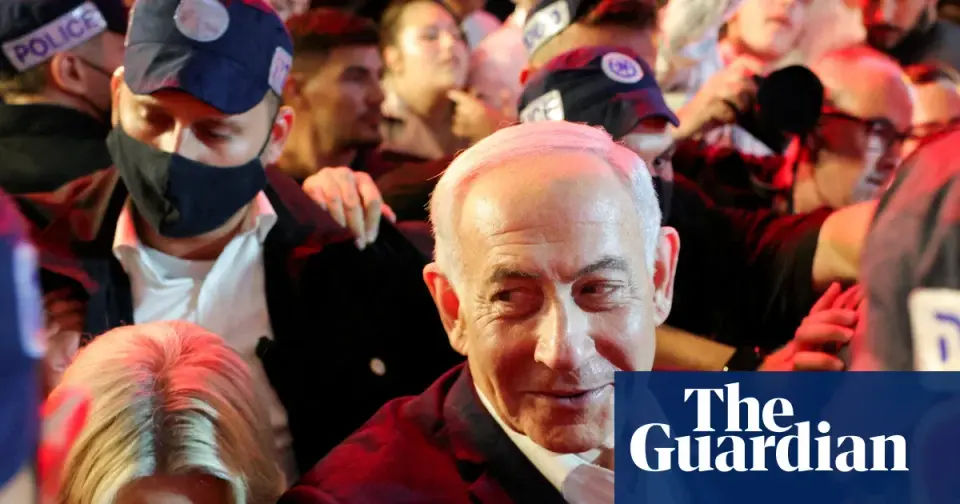
As Israel’s October 27 election approaches, Prime Minister Benjamin Netanyahu faces a tight race against opposition leader Gadi Eisenkot. Reports indicate Netanyahu pressured the military for action against Iran, a move resisted by Chief of Staff Eyal Zamir. Netanyahu’s campaign utilized AI-generated nuclear imagery to frame the vote as existential, while Trump’s endorsement failed to shift polls significantly. Neither bloc currently guarantees a majority, raising the risk of a hung parliament.
Key points
- Netanyahu reportedly clashed with IDF Chief of Staff Eyal Zamir over directives regarding Iran, with Zamir demanding written orders to prevent miscalculation.
- Netanyahu posted an AI-generated image of a nuclear strike on Tel Aviv, warning voters that choosing the opposition risks annihilation.
- CNN reported Netanyahu lobbied President Trump for a renewed Iran strike, but Trump ruled out action until after US congressional elections.
- Polls show Netanyahu’s coalition trailing, with his chances of retaining power estimated at one in four by The Atlantic.
- Trump’s endorsement did not significantly impact polls, with 64% of Israelis stating it would not influence their vote.
Background
This election follows a period of intense conflict, including the October 7, 2023, Hamas attack and subsequent wars in Gaza and Iran. Netanyahu’s government has faced criticism for judicial reform attempts and handling of the hostage crisis. Previous coverage noted a fragmented political landscape where neither the ruling coalition nor the opposition could secure the 61 seats needed for a majority, leading to potential deadlock or further elections.
How outlets are covering it
The Guardian and The New York Times emphasize the internal military rift, highlighting Zamir’s resistance to Netanyahu’s pressure for action against Iran. Fox News focuses on the security narrative, framing the election as a referendum on Netanyahu’s ability to counter Iran and Hamas, while noting Trump’s strong endorsement. The Atlantic characterizes Netanyahu’s tactics as 'panic mode,' criticizing the use of AI-generated nuclear imagery as fear-mongering. While all sources agree on the tight race, they differ on the interpretation of Netanyahu’s motives: some view his actions as desperate political survival, while others frame them as necessary security measures.
Why it matters
The outcome will determine whether Netanyahu continues his tenure amid corruption trials and a fragmented coalition. A hung parliament could lead to further instability or a minority government. The election also signals the direction of US-Israel relations, particularly regarding Iran policy, as Trump’s influence appears limited in swaying Israeli voters.
What to watch
Voters will cast ballots on October 27. If no bloc secures a majority, Israel may face another election or a minority government. The outcome will influence regional stability, particularly regarding Iran and Gaza, and determine the future of Netanyahu’s legal and political standing.
- Netanyahu reportedly pressured military to attack Iran in run-up to election The Guardian
- Netanyahu Pushed for Attack on Iran Ahead of Israeli Election, Officials Say The New York Times
- Netanyahu fights for political future as Israel heads to polls with Iran threat looming Fox News
- In ‘unprecedented confrontation,’ IDF chief said resisting Netanyahu’s order for military action tied to Iran The Times of Israel
- Netanyahu Goes Into Full Panic Mode The Atlantic
Want the full story? Read the original reporting
Read on The Guardian