
New Zealand Parliament Enacts English as Third Official Language Amid Controversy
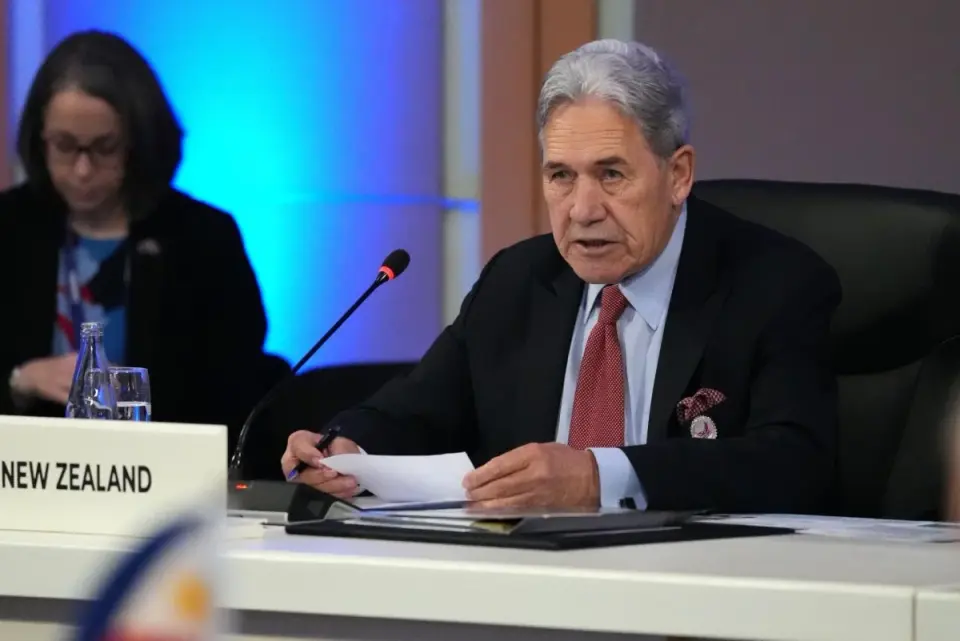
New Zealand’s parliament has passed legislation formally recognizing English as the country’s third official language, alongside Māori and New Zealand Sign Language. The bill, championed by the New Zealand First party, was approved despite widespread criticism from linguists, legal experts, and opposition parties who argued it was unnecessary since English is already used by 95% of the population. The law does not create new rights or mandates but codifies existing practice, drawing sharp debate over its symbolic implications for indigenous language protection.
Key points
- The English Language Bill became law on July 30, 2026, after passing its third reading in the House of Representatives.
- English joins Māori and New Zealand Sign Language as an official language, though it does not introduce new legal requirements or priority in government communications.
- The bill was supported by the governing coalition (National and New Zealand First) and the opposition Labour Party, but opposed by the Greens and Te Pāti Māori.
- Critics, including Green MP Tamatha Paul and law professor Dean Knight, called the move a 'pathetic waste of time' and a 'pointless exercise,' noting English’s de facto status.
- Justice Committee reports indicated nearly two-thirds of 1,601 public submissions opposed the bill, citing concerns about social division and undermining minority language protections.
Background
New Zealand’s official language status for Māori was established in the 1980s to protect the indigenous language after its decline following British colonization in 1840. English has long been the dominant language in legal, political, and daily contexts, with 95% of the population speaking it as of 2023. The 2026 legislation follows a broader global trend of formalizing language status, though few English-speaking countries have enacted similar laws. The move reflects ongoing tensions between majority and minority language rights in the country.
How outlets are covering it
Supporters, including New Zealand First MP Casey Costello, argued the bill was a practical measure to align legislation with longstanding practice and clarify English’s status. They dismissed critics’ claims of it being a 'waste of time.' Opponents, such as Green MP Tamatha Paul and linguist Dr. Sidney Wong, emphasized that English requires no legislative protection, unlike Māori, which was systematically suppressed. Paul’s viral speech criticized the government as 'snowflakes' who fear Māori language use. Legal experts, including Dean Knight, noted the bill changes no practical outcomes, while Justice Committee reports highlighted public opposition. The Labour Party voted in favor despite internal misgivings, aiming to avoid a 'culture war,' while the Greens and Te Pāti Māori opposed the measure as undermining minority language rights.
Why it matters
The legislation highlights ongoing debates over language rights, cultural identity, and the balance between majority and minority languages in New Zealand. It underscores the symbolic significance of formalizing language status, even when practical impacts are minimal, and reflects broader tensions in post-colonial societies regarding indigenous language preservation. The controversy also reveals divisions within the political landscape, with coalition and opposition parties taking differing stances on cultural policy.
What to watch
The law is now in effect, but no new rules or mandates are expected. Public and political debate may continue, particularly regarding the impact on Māori and sign language protections. Future discussions could focus on funding for language research and education, as suggested by critics, rather than further legislative changes to English status.
- New Zealand parliament makes English third official language upi.com
- New Zealand has a new official language — English CNN
- New Zealand legislation recognising English an official language ridiculed as ‘pathetic’ The Guardian
- New Zealand’s decision to recognise a new official language draws sharp criticism: ‘Embarrassing waste of time’ The Independent
- Why has New Zealand’s decision to make English an official language divided the nation? Firstpost
Want the full story? Read the original reporting
Read on upi.com