
NSW Launches $1,000 Gun Buyback Scheme After Bondi Beach Attack
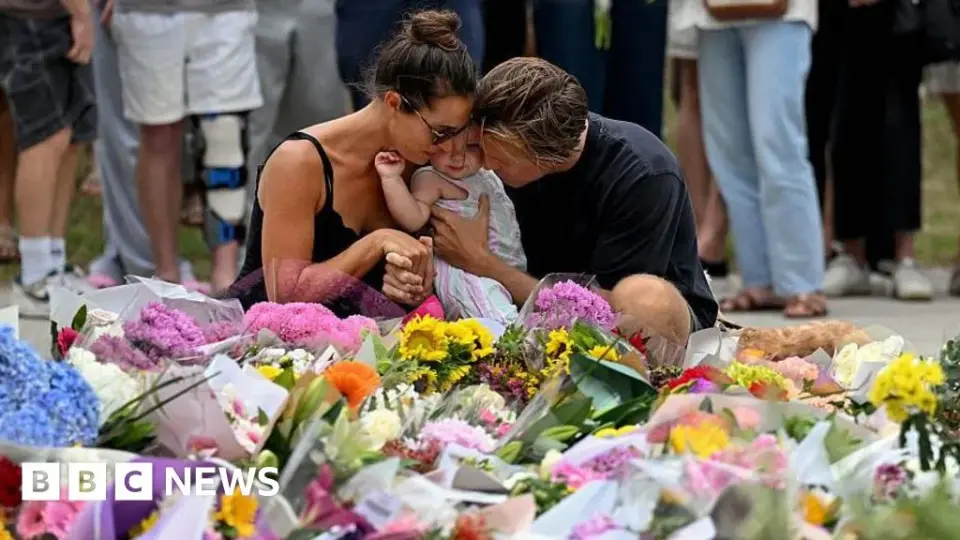
New South Wales will begin a gun buyback scheme on November 2, offering up to A$1,000 per firearm to remove an estimated 274,000 weapons from circulation following the December 2025 Bondi Beach terror attack. The initiative, jointly funded by state and federal governments, aims to reduce illegal firearms after the attack killed 15 people at a Hanukkah celebration. While Premier Chris Minns and Prime Minister Anthony Albanese emphasize safety and historical precedent, opposition parties and gun rights groups criticize the cost and efficacy, arguing it targets law-abiding citizens rather than criminals.
Key points
- The buyback starts November 2, with Phase 1 covering handguns, shotguns, and rifles for up to A$1,000 each; Phase 2 begins early 2027 for high-value firearms up to A$10,000.
- New South Wales limits individual firearm ownership to four, with exemptions for farmers and sports shooters, affecting approximately 50,000 license holders.
- The scheme is expected to remove 274,000 firearms, exceeding the number taken in the 1996 Port Arthur buyback, at an estimated cost of hundreds of millions of dollars.
- The December 14, 2025 attack at Bondi Beach killed 15 people, including a 10-year-old and a Holocaust survivor, during Hanukkah celebrations; suspects were inspired by Islamic State.
- Opposition leaders and gun rights groups oppose the buyback, calling it ineffective against criminals and a burden on law-abiding owners, while other states like Victoria remain undecided.
Background
Following the December 2025 Bondi Beach attack, which killed 15 people during a Hanukkah celebration, Australian authorities pledged sweeping firearm reforms. New South Wales enacted stricter laws in January 2026, capping individual firearm ownership at four, with exemptions for certain license holders. The federal government also strengthened hate speech and extremism laws. The buyback scheme, initially planned nationwide, was delayed due to funding and implementation concerns. This follows a global surge in antisemitism, with 2025 reporting over 23,000 incidents, including 20 deaths, according to a J7 report. The Bondi attack is part of a broader trend of violence linked to online extremism and anti-Zionism.
How outlets are covering it
BBC and NBC News emphasize the scale of the buyback, noting it is the largest since the 1996 Port Arthur massacre, and highlight the compensation structure and government commitment to safety. Fox News frames the initiative as 'sensible gun reform' but notes the legal status of the firearms used in the attack. ABC News provides a balanced view, including opposition from One Nation and NSW Opposition Leader Kellie Sloane, who called the scheme 'bulls***' and argued it targets law-abiding citizens rather than criminals. ABC also notes Victoria’s Premier Ben Carroll’s reluctance to commit to a similar scheme, citing police advice. Gun rights groups, such as Shooter Union Australia, criticize the scheme as a burden on licensed owners, while Western Australia’s Labor Minister John Carey supports a consistent national framework. The sources agree on the attack’s impact but diverge on the efficacy and fairness of the buyback.
Why it matters
The Bondi Beach attack exposed gaps in Australia’s firearm regulations, prompting the most significant gun control measures since 1996. The buyback scheme aims to reduce the number of firearms in circulation, potentially lowering the risk of future mass shootings. However, the controversy highlights deep divisions in Australian society over gun rights, public safety, and the effectiveness of legislative responses to terrorism. The outcome may influence gun policy in other states and countries, setting a precedent for post-attack reforms.
What to watch
Phase 1 of the buyback begins November 2, with Phase 2 starting early 2027 for high-value firearms. New South Wales will monitor the number of firearms surrendered and adjust funding accordingly. Other states, including Victoria, may consider similar schemes, though no commitments have been made. The federal government will continue to support the initiative, with costs split 50/50 between state and federal levels. Opposition parties will likely challenge the scheme in the 2027 election, with One Nation vowing to repeal the laws if elected. The long-term impact on gun ownership and public safety will be assessed in the coming years.
- Australian state to begin gun buyback after Bondi Beach attack BBC
- Australia gun buyback to start in November in clampdown after Bondi Beach shooting NBC News
- Australia sets launch for sweeping gun buyback after Bondi Beach terror attack: 'Sensible gun reform' Fox News
- 50,000 owners face deadline to hand in guns News.com.au
- Premier says gun buyback 'a price worth paying', will fight for it at the ballot ABC News & Headlines – Australian Broadcasting Corporation
Want the full story? Read the original reporting
Read on BBC