
Plaid Cymru urges Burnham to commit to EU rejoin now, not at next election
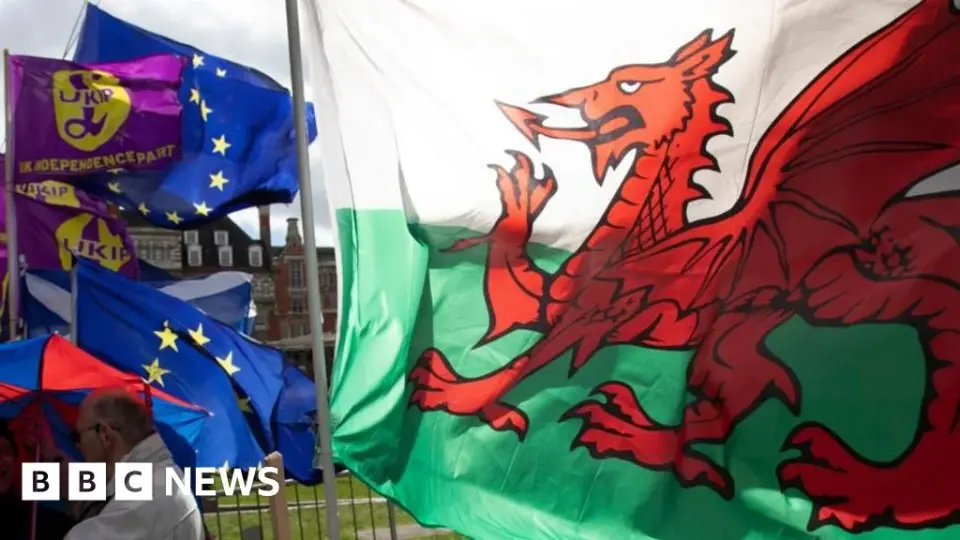
Plaid Cymru’s Westminster leader, Liz Saville Roberts, has called on Prime Minister Andy Burnham to explicitly back rejoining the European Union immediately, rather than delaying the decision until the next general election. Roberts argues that Wales has suffered economically and politically since the 2016 vote to leave, and that Burnham’s current approach of 'considering options' lacks the necessary leadership. This call follows Burnham’s recent statements that a referendum on EU membership could appear in a future Labour manifesto, a move that has sparked debate within his own cabinet and across the UK political spectrum.
Key points
- Liz Saville Roberts, Plaid Cymru’s Westminster leader, stated that Burnham should not delay backing EU rejoin until the next general election, which she estimates is three years away.
- Roberts claimed Wales has 'lost out' in terms of funding and power since Brexit and argued that small nations are better served by membership in a larger union like the EU.
- Burnham previously stated that a referendum would not be the 'right thing to do now' but acknowledged that rejoining is a possibility for a future manifesto, a stance Roberts criticized as 'hedging bets'.
- A TMG megapoll found that 49% of UK voters support rejoining the EU, with polling suggesting such a pledge could boost Labour’s vote share by up to 7.4 percentage points.
- Plaid Cymru’s Enterprise Minister Adam Price announced a 10-year target to create 500 high-growth firms in Wales, aiming to secure a second FTSE 100 company for the nation.
Background
This debate follows Burnham’s recent shift from previous Labour positions, which had pledged to respect the 2016 referendum result. In late September and early October 2026, Burnham signaled that full EU rejoin is a viable option, triggering criticism from Reform UK leader Nigel Farage, who called it a 'career boost' for his party. The current discussion occurs against the backdrop of a UK-EU summit planned for later this year and ongoing tensions regarding the terms of any potential return, including free movement of labor and euro membership.
How outlets are covering it
BBC Wales highlights the urgency of Plaid Cymru’s demand for immediate leadership, contrasting it with Burnham’s cautious approach. The Guardian reports on internal Labour divisions, noting that while Burnham supports the idea, many cabinet ministers from Leave-voting constituencies are urging caution to avoid reopening Brexit divides. CNBC provides an economic perspective, with experts warning that while rejoining could boost GDP, it may also lead to capital flight due to tax and regulatory changes, and that the UK is in a weakened bargaining position. The Financial Times, behind a paywall, suggests the EU may be open to associate membership models, though specific details are not available in the source.
Why it matters
The outcome of this debate could reshape UK-EU relations and domestic politics ahead of the next general election. A commitment to rejoin could significantly alter trade dynamics, immigration policy, and the UK’s economic trajectory, while also influencing voter sentiment in swing constituencies. For Wales, the decision has direct implications for funding and political autonomy, as highlighted by Plaid Cymru’s new government agenda.
What to watch
Burnham is expected to detail the UK’s options for its relationship with the EU at a summit later this year. Plaid Cymru will continue to press for a clear commitment, while Labour cabinet ministers will likely debate the political risks of a referendum. The next general election, potentially in 2029, will be the key moment for any formal decision on EU membership, though public opinion polls suggest a growing appetite for closer ties with the bloc.
- Andy Burnham should back EU membership now, says Plaid Westminster leader BBC
- Half of UK wants to rejoin EU and backing it could drive up Labour vote, megapoll finds The Guardian
- Does the EU want Britain back? Financial Times
- A Brexit reversal is on the table 10 years on from the vote that changed Britain. Here’s what’s at stake CNBC
- Burnham has said the unsayable on Brexit. What happens now? The Conversation
Want the full story? Read the original reporting
Read on BBC