
Polls Show Eisenkot’s Bloc Nearing Majority Without Arab Support Ahead of October Vote
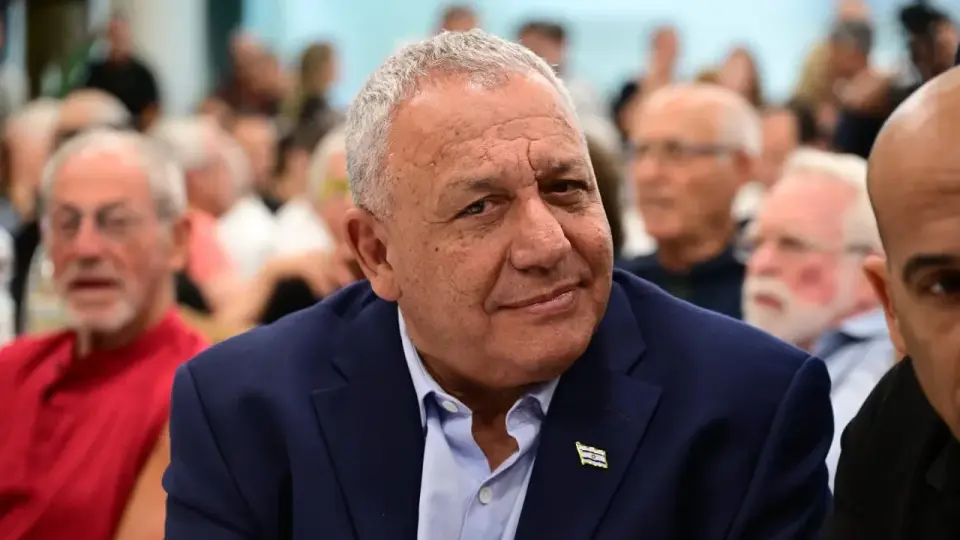
A new poll indicates Gadi Eisenkot’s opposition bloc could secure a 61-seat majority without Arab party support, while Netanyahu’s coalition drops to 47 seats. Eisenkot’s Yashar party leads with 25 seats, widening the gap over Likud’s 20-21 seats. The results suggest a potential shift in coalition dynamics, though margins remain tight and undecided voters stand at 10.4%.
Key points
- Eisenkot’s bloc reaches 61 seats if the Reservists-Economic Party slate joins, excluding Arab parties.
- Netanyahu’s coalition falls to 47 seats, down four from previous estimates.
- Yashar gains two seats to 25, while Bennett’s B’Yachad drops to 13.
- Ofer Winter’s People of Israel party falls below the electoral threshold.
- Undecided voters account for 10.4% of the sample.
Background
The 2026 Israeli election is marked by shifting coalition dynamics following the October 7, 2023, attack. Previous coverage highlighted the rise of new parties like the Reservists and People of Israel as potential kingmakers. The current polls reflect continued volatility in the pre-election period, with candidate list submissions still underway.
How outlets are covering it
The Jerusalem Post and Haaretz both report Eisenkot’s lead but differ on exact numbers: JPost cites a Maariv poll showing Likud at 20 seats, while Haaretz cites a Channel 12 poll showing Likud at 21 seats. Both agree on Yashar’s 25 seats. Le Monde focuses on the broader political climate, highlighting security threats against opposition leader Yair Golan and fears of far-right contestation of results, rather than specific seat counts. The polls show a narrowing gap between blocs, with the Arab parties’ influence becoming less decisive in coalition math.
Why it matters
The shift in polling data suggests a potential change in the balance of power in the Knesset, with the opposition bloc potentially achieving a majority without relying on Arab parties. This could impact coalition negotiations and the formation of the next government, particularly regarding policies on national security and the October 7 inquiry.
What to watch
Further fluctuations are expected as candidate lists are finalized. The outcome of the election may hinge on whether small parties like the Hendel-Zelekha slate cross the electoral threshold. Coalition negotiations will likely focus on security policies and the handling of the October 7 inquiry.
- Eisenkot-led coalition has pathway to 61 seats without Arab parties for first time - poll The Jerusalem Post
- Netanyahu races to unify Israel's right wing in bid to avert election defeat Reuters
- Poll: Eisenkot Widens Lead Over Netanyahu, Lacks Majority Without Arab Parties Haaretz
- Election poll shows continued deadlock; 11.5% don’t know who they’ll vote for The Times of Israel
- Unprecedented risks shadow Israel's October 27 elections Le Monde.fr
Want the full story? Read the original reporting
Read on The Jerusalem Post