
Fedorov Blames Procurement Reforms for Sacking, Rejects Deputy PM Role
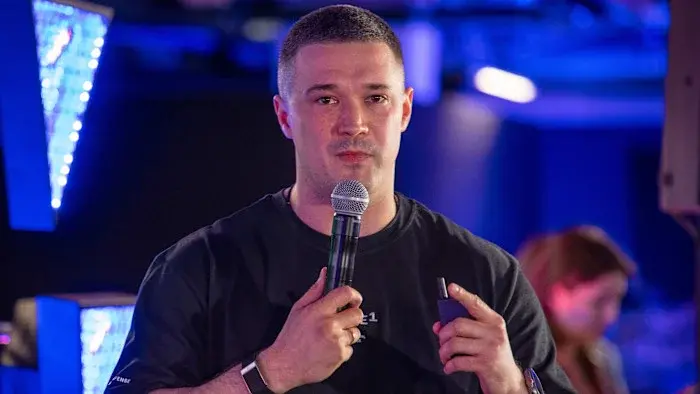
Former Ukrainian defence minister Mykhailo Fedorov has stated that his dismissal was primarily caused by his efforts to overhaul military procurement systems, which provoked opposition from entrenched interests. In his first detailed interview, Fedorov rejected alternative government roles, insisting he would only return to the defence ministry. This statement comes amid ongoing protests and a broader cabinet reshuffle that replaced both Fedorov and the army commander-in-chief.
Key points
- Fedorov attributes his sacking to reforms aimed at increasing transparency in military tenders and procurement, which angered powerful vested interests.
- He rejected a proposed role as deputy prime minister for digital innovations, stating he would only return to the defence ministry if offered the position.
- President Zelenskyy cited a feud between Fedorov and former commander-in-chief Oleksandr Syrskyi as the reason for the dismissal, while Fedorov described it as a difference in strategic vision.
- The dismissal triggered nearly two weeks of protests in Kyiv and other cities, which have recently begun to lose steam.
- Russia launched a massive aerial assault on Ukraine, killing at least eight people, including three children, during the period of political turmoil.
Background
The dismissal of Mykhailo Fedorov, who served for only six months, was part of a sweeping cabinet overhaul in July 2026. Zelenskyy replaced Fedorov with Yevhenii Khmara, the head of the SBU security service, and later appointed Mykhailo Drapatyi as the new commander-in-chief, replacing Syrskyi. The reshuffle also saw former prime minister Yulia Svyrydenko replaced by Sergii Koretskyi, the head of Naftogaz. Earlier coverage noted that the political crisis lingered despite these changes, with analysts warning that the fallout could erode Zelenskyy's authority.
How outlets are covering it
The Financial Times reports that Fedorov explicitly blamed procurement reforms and the resulting pressure from 'entrenched interests' for his dismissal, noting that he declined to name specific individuals. Ukrainska Pravda highlights Fedorov's firm stance that he would '100%' return to the defence ministry if asked, emphasizing his rejection of other government positions. While Zelenskyy publicly cited a personal feud with Syrskyi as the cause, Fedorov disputes this, framing the conflict as a difference in how the war should be fought. The FT notes that political experts suspect powerful figures in government worked to push Fedorov out, whereas the secondary source focuses on his public commitment to the defence portfolio.
Why it matters
The dispute over Fedorov’s dismissal highlights deep tensions within Ukraine’s wartime leadership regarding military reform and procurement transparency. Fedorov’s refusal to accept alternative roles and the subsequent protests indicate that the government’s attempt to stabilize the defence apparatus through a cabinet reshuffle has not fully resolved the political crisis. The ongoing conflict between reformist and traditionalist factions could impact Ukraine’s ability to implement necessary changes in its military structure and supply chain during the war.
What to watch
It remains to be seen if President Zelenskyy will offer Fedorov the defence minister position again, given the former minister’s refusal to accept other roles. The new leadership, including acting defence minister Yevhenii Khmara and commander-in-chief Mykhailo Drapatyi, will need to navigate the ongoing political tensions while managing the war effort. The intensity of Russian aerial assaults, which have become weekly, adds urgency to the need for stable and effective military leadership.
- Ukraine’s ex-defence minister blames procurement reforms for dismissal Financial Times
- Ukraine's ex-defence minister says changes to military procurements behind his dismissal Reuters
- Ukraine’s Former Defense Minister Links His Dismissal to Defense Procurement Reforms Bloomberg.com
- Ex-defence minister Fedorov says he would "100%" return to Defence Ministry if asked pravda.com.ua
- Wartime Ukraine’s people power protests are Putin’s worst nightmare Atlantic Council
Want the full story? Read the original reporting
Read on Financial Times