
Serbia’s Student List Landslide Ends Vučić’s 14-Year Rule
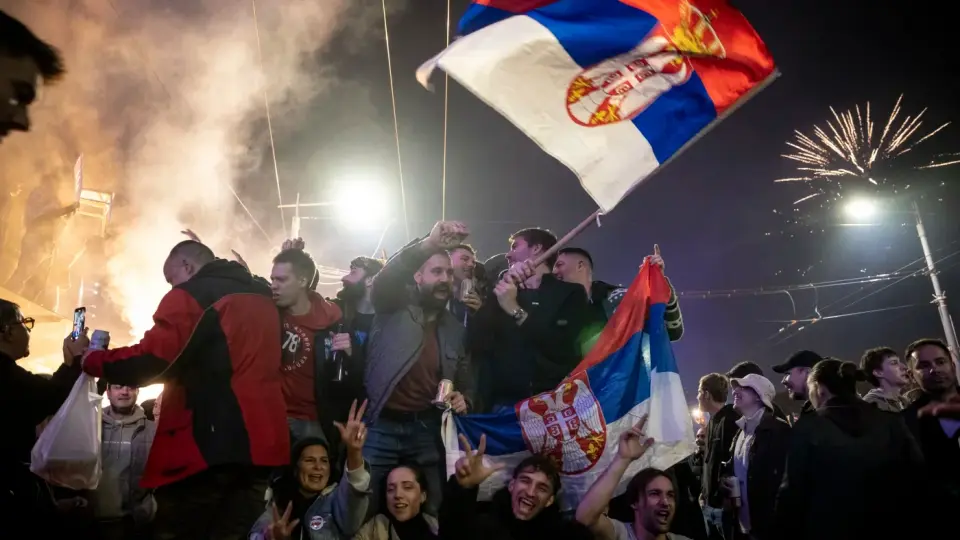
Serbia’s student-led 'Student List' movement secured a historic parliamentary victory on October 25, 2026, defeating long-serving leader Aleksandar Vučić and his Serbian Progressive Party. The result, marked by record turnout and immediate street celebrations in Belgrade, ends 14 years of Vučić’s rule. While the new coalition lacks governing experience, experts warn that foreign policy shifts will be gradual as domestic institutional repair takes priority.
Key points
- The Student List won more than half the votes in the October 25 parliamentary election, placing Vučić’s Serbian Progressive Party in second place with approximately 104 seats.
- The movement emerged from protests following a fatal railway station collapse in Novi Sad in November 2024, which killed 15 to 16 people depending on the source.
- Vučić conceded defeat shortly after polls closed, triggering widespread celebrations in Belgrade, including fireworks and honking cars near the National Assembly.
- The Student List is a leaderless coalition of academics, athletes, and engineers, with no prior political hierarchy or experience.
- International observers, including EU Commission President Ursula von der Leyen, have pledged support for reforms in rule of law and media freedom.
Background
The election was a snap vote triggered by two years of sustained protests against corruption and state control. Vučić had resigned as president in September to run for prime minister, a move seen as an attempt to consolidate power. Previous coverage noted concerns over electoral fairness and the potential for post-vote unrest, but the outcome was a decisive shift in power.
How outlets are covering it
NPR emphasizes the celebratory atmosphere and the symbolic nature of the victory, noting the Student List’s lack of hierarchy. Al Jazeera focuses on the slow pace of foreign policy change, arguing that domestic cleanup will precede any regional reset or pivot away from Russia. CNN highlights the parallels between the Serbian movement and past uprisings in Hungary and Ukraine, praising the movement’s disciplined, inclusive, and leaderless structure while questioning its ability to govern effectively.
Why it matters
The defeat of Vučić marks the end of a 14-year authoritarian era in Serbia. The transition to a student-led government tests the viability of non-traditional political movements in governance. The outcome also signals a potential, albeit gradual, shift in Serbia’s foreign policy alignment, moving away from the balancing act between Russia and the EU that characterized the previous regime.
What to watch
Serbia will hold presidential elections by December 26, 2026. The new Student List government faces immediate challenges in forming a cabinet and addressing systemic corruption in the judiciary, police, and media. Analysts expect a period of intense internal reform before any significant changes in regional or international relations.
- 'The smell of freedom': Serbia's student movement celebrates election triumph NPR
- Aleksandar Vucic Concedes Defeat in Serbian Election The New York Times
- Gloom in Moscow as Vucic's defeat in Serbia deprives Russia of an ally Reuters
- What Vucic’s defeat means for Serbia’s foreign policy Al Jazeera
- In Serbia, a very different student movement just ousted another European strongman CNN
Want the full story? Read the original reporting
Read on NPR