
Serbia’s Student List secures 140-seat majority, ending Vučić’s 14-year rule
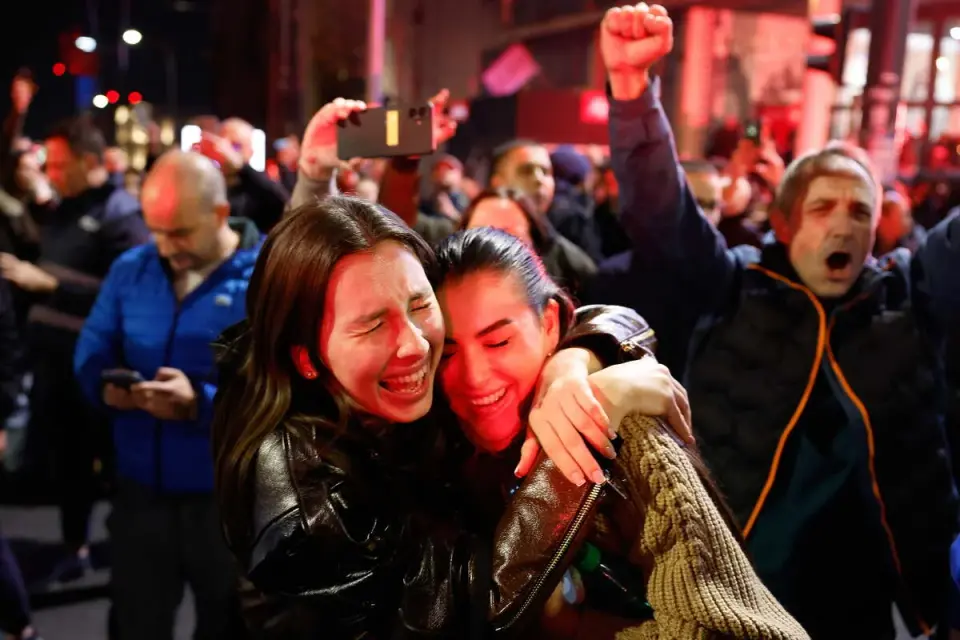
Serbia’s Republic Election Commission officially certified the October 25 results, granting the Student List 140 of 250 parliamentary seats and an absolute majority. This outcome ends the Serbian Progressive Party’s 14-year dominance and mandates a new government formation within 30 days. The shift follows two years of protests triggered by a fatal infrastructure collapse, marking a decisive break from the previous regime’s control over state institutions.
Key points
- The Republic Election Commission declared the Student List winner with 140 seats, while the Serbian Progressive Party secured 103 seats.
- Ethnic minority lists received seven seats; no other parties, including the Socialist Party of Serbia, passed the 3% threshold.
- The new parliament must convene within 30 days to elect a prime minister, with economics professor Dejan Šoškić cited as a potential candidate.
- Detentions of police officials and other figures have increased since the election, linked to allegations of fraud and corruption under the previous administration.
- The Student List emerged from a two-year protest movement sparked by a 2024 train station collapse that killed 16 people.
Background
Prior coverage noted that Vučić had conceded defeat in late October, with projections showing the Student List winning approximately 141 seats and 52.9% of the vote. That earlier reporting highlighted record turnout and international support for the transition, while noting the challenge of forming a stable government after a decade and a half of centralized rule.
How outlets are covering it
AP News and DPA focus on the formal certification of results and the legal timeline for government formation, emphasizing the structural shift in power. The Guardian offers a cultural analysis, describing the movement as a 'wonderful revolution' that dismantled corrupt networks and astroturfed support groups, contrasting the new collective approach with previous individualist protest styles. Lily Lynch’s account from The Paris Review provides a ground-level perspective, detailing election-day tensions, including police presence and media manipulation, before confirming Vučić’s concession and the subsequent public celebration in Belgrade.
Why it matters
The result signals a potential pivot in Serbia’s foreign policy, as the previous administration’s close ties with Russia and China stalled EU accession efforts. The new leadership’s promise to restore rule of law and combat corruption may reshape regional stability and European integration prospects. Additionally, the rapid transition highlights the vulnerability of long-standing authoritarian regimes to sustained civic mobilization.
What to watch
The Student List must select a prime ministerial candidate and form a coalition or majority government before the 30-day deadline. The new parliament will likely address pending criminal cases against former officials and initiate reforms in the judiciary and police. International observers will monitor the transition for signs of democratic consolidation or potential backlash from the outgoing power structures.
- Declaration of final vote results in Serbia paves way for student movement to form government AP News
- Serbia has banished the monsters from Belgrade – it was, and still is, a truly wonderful revolution | Barbi Marković The Guardian
- Final results: Student List wins absolute majority in Serbian election Yahoo
- Serbia’s Gen Z Students Toppled a Strongman. Now Comes the Hard Part. WSJ
- Belgrade Diary: Election Day in Serbia, by Lily Lynch The Paris Review
Want the full story? Read the original reporting
Read on AP News