
South Sudan Postpones First National Elections to February 2027 Amid Legal and Security Concerns
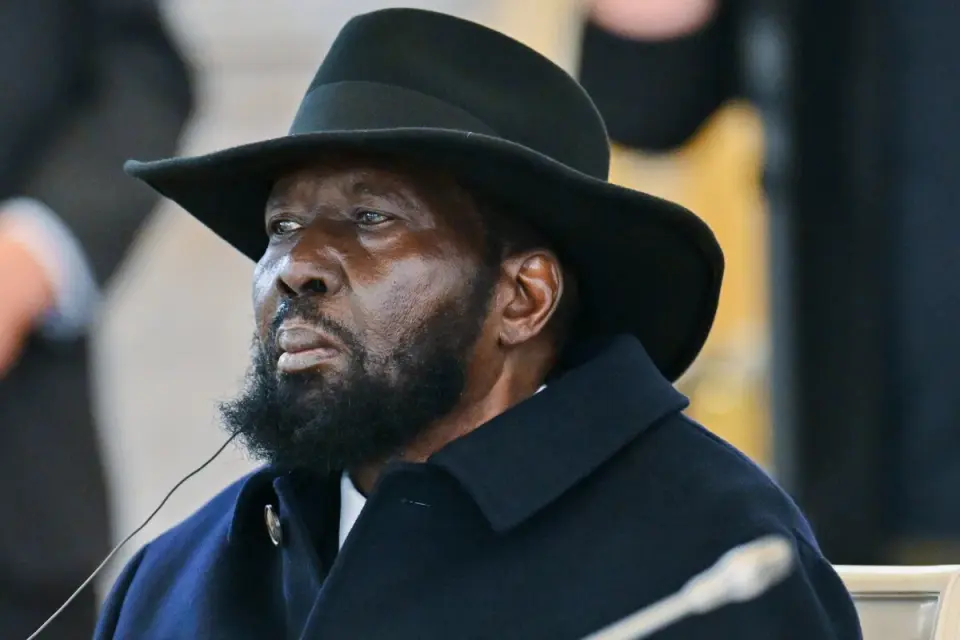
South Sudan’s National Election Commission has delayed the country’s first national elections since 2011 from December 22, 2026, to February 11, 2027. The decision, announced without a formal explanation, follows repeated postponements since 2022. While the commission cited logistical needs for voter registration, critics and legal experts argue the move lacks statutory authority and violates constitutional timelines. The delay occurs amid escalating violence, the dissolution of the transitional government, and the ongoing trial of former Vice President Riek Machar, raising fears that the fragile peace may unravel.
Key points
- The National Election Commission moved polling day from December 22, 2026, to February 11, 2027, without providing a specific reason in the official document.
- Voter registration begins on November 14 at 3,161 centers, with a 45-day campaign period scheduled from December 27 to February 9.
- Legal experts argue the postponement lacks authority under the National Elections Act, which mandates a December vote, and that the caretaker government’s foundation may be void due to procedural defects in 2026 reforms.
- Security concerns persist, including the recent killing of two SPLM delegates in Western Equatoria and the ongoing trial of Riek Machar on charges of treason and crimes against humanity.
- The delay extends the period without a national legislature, as the transitional government was dissolved in September, leaving a power vacuum until the transition ends on February 22, 2027.
Background
South Sudan gained independence from Sudan in 2011 after decades of civil war. A new conflict erupted in 2013 between President Salva Kiir and rival Riek Machar, ending with a 2018 peace deal. A transitional government was formed in 2020, but fighting escalated in early 2025, leading to Machar’s house arrest in March 2026. The transitional unity government was dissolved in September 2026, replaced by a caretaker administration, as the country prepared for its first national elections, which had been delayed multiple times since 2022.
How outlets are covering it
AP News and Al Jazeera report the postponement as a logistical and security-driven delay, noting the commission’s lack of explanation and the ongoing violence. Al Jazeera highlights warnings from UN officials that the move consolidates power in Kiir’s hands and risks renewed conflict. Radio Tamazuj offers a critical legal analysis, arguing the postponement is unlawful because the National Elections Act mandates a December vote and the caretaker government’s authority is void due to procedural defects in 2026 reforms. While AP and Al Jazeera focus on the practical implications of the delay, Radio Tamazuj emphasizes the constitutional and legal violations, suggesting the move undermines the right to vote and stand for office. All sources agree that the delay exacerbates political tensions and risks destabilizing the fragile peace.
Why it matters
The postponement of South Sudan’s first national elections since 2011 highlights the country’s ongoing struggles with political instability, security, and legal governance. The delay risks undermining the peace process and consolidating power in President Salva Kiir’s hands, potentially leading to renewed conflict. The legal challenges to the postponement raise questions about the rule of law and the protection of democratic rights, while the security concerns underscore the fragility of the peace agreement. The outcome of the February 2027 vote will be critical for South Sudan’s transition to a stable, democratic government.
What to watch
Voter registration will run from November 14 to November 28, followed by a 45-day campaign period from December 27 to February 9. Polling is scheduled for February 11, 2027, with first-round results expected on February 15. A possible run-off could extend the transition beyond February 22, 2027, raising questions about the legality of the caretaker government and the protection of democratic rights. Legal experts and civil society groups will continue to monitor the commission’s actions and the implementation of the revised timetable.
- South Sudan postpones first national elections again, to February 2027 AP News
- South Sudan’s National Election, Its First, Will Be Delayed The New York Times
- South Sudan postpones first-ever national elections until February Al Jazeera
- South Sudan pushes back elections as violence threatens fragile peace DW.com
- Was it lawful to delay South Sudan’s elections until February 2027? Radio Tamazuj
Want the full story? Read the original reporting
Read on AP News