
Spain Halts for First General Strike in 14 Years Amid Housing Crisis and Election
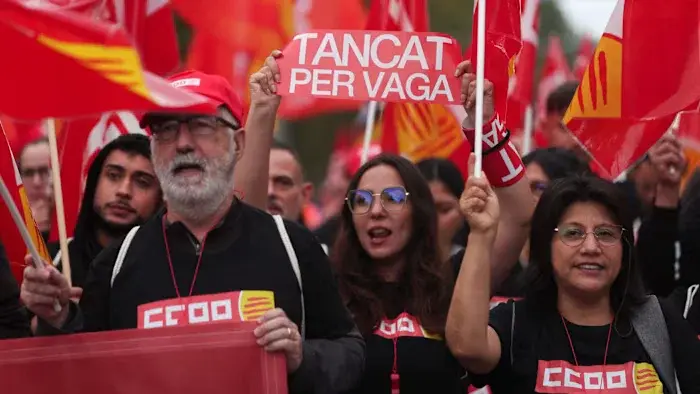
Spain experienced its first general strike in 14 years on November 11, 2026, with unions demanding action on soaring housing costs and low wages. The 24-hour walkout disrupted transport, factories, and public services ahead of a snap election on November 29. While union leaders reported high participation in key sectors, business lobbies claimed low turnout. The strike follows the rejection of housing reforms by right-wing parties and a deadly train crash that has damaged the incumbent government's standing.
Key points
- The strike was called by unions UGT and CCOO over housing affordability, with average rents doubling in the last decade.
- Participation was contested: unions reported 90% absence in automotive and port sectors, while business lobby CEOE described participation as low in most areas.
- The walkout occurs 18 days before a snap election called by Prime Minister Pedro Sánchez, who faces a likely loss to a conservative and far-right coalition.
- Violence erupted in Barcelona and Madrid, with picketers clashing with police and setting fire to tires and pallets.
- The strike follows the national outrage over the eviction and subsequent death of an 87-year-old woman, which triggered failed housing legislation.
Background
This event follows a period of social unrest in Europe, including protests in France and Italy. In Spain, public anger was heightened by a high-speed train crash in October that killed 69 people, which critics linked to infrastructure underinvestment during Sánchez’s tenure. The government had previously attempted to pass emergency housing measures, but right-wing parties blocked them in Parliament, leading Sánchez to call the early election.
How outlets are covering it
Unions UGT and CCOO emphasized massive participation, citing 90% absence in automotive and port sectors, and framed the strike as a defense of workers' rights against a housing crisis. Conversely, the business lobby CEOE and the conservative People’s Party argued participation was low and labeled the strike an 'electoral' tactic to help Sánchez retain power. Analysts noted that while the left hoped to refocus the campaign on housing, the right hoped for violent scenes to portray the left as chaotic. The government implicitly backed the strike, with officials stating it was not against anyone but for workers' rights.
Why it matters
The strike highlights deep social fractures in Spain regarding cost of living and housing access. It serves as a critical test for Sánchez’s left-wing coalition, which risks losing power to a conservative-far right alliance. The outcome may influence future housing policies and labor relations in the eurozone’s fourth-largest economy.
What to watch
The government plans to retry passing housing decrees in a reduced interim Parliament on November 12. The snap election is scheduled for November 29, where polls currently favor a right-wing coalition. The strike’s impact on public opinion and potential violence will likely shape the final campaign days.
- Spain roiled by first general strike in 14 years Financial Times
- Workers across Spain stage first general strike in 14 years as anger rages over housing Reuters
- Spain Hit by General Strike as Cost of Living Takes Center Stage Ahead of Elections WSJ
- Spain’s first general strike in 14 years brings clashing social and political desires to the fore AP News
- Spain’s Main Unions Hold Nationwide Strike Over Housing Costs Bloomberg.com
Want the full story? Read the original reporting
Read on Financial Times