
Spain Halts for First General Strike in 14 Years Over Housing Crisis
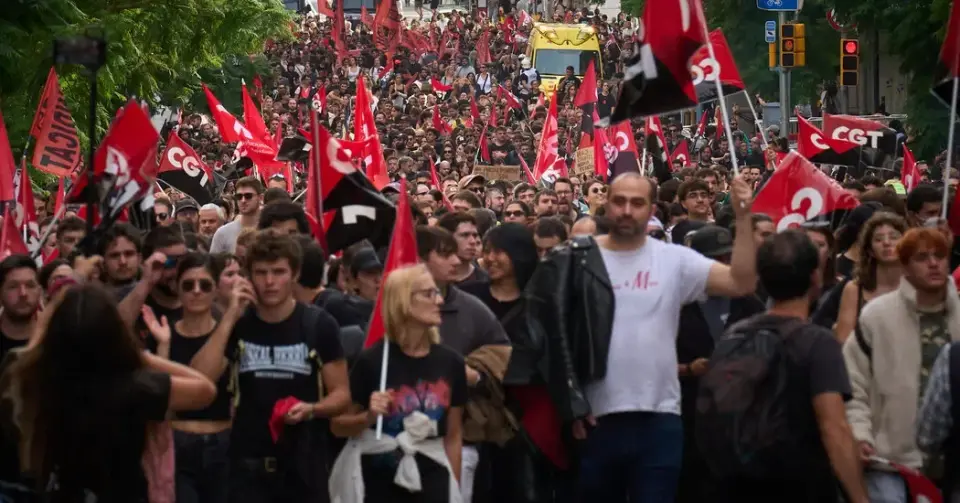
Millions of Spanish workers staged a 24-hour general strike on November 11, 2026, the first in 14 years, to protest soaring rents and stagnant wages. The action, triggered by the eviction of an 87-year-old woman, disrupted transport and industry ahead of a snap election on November 29. While unions reported high participation in key sectors, business groups claimed low turnout. Prime Minister Pedro Sánchez supported the strike to highlight social issues, while right-wing parties dismissed it as political manipulation.
Key points
- The strike was the first general walkout in Spain since 2012, organized by unions UGT and CCOO alongside tenants' associations.
- Protests were sparked by the eviction of Maricarmen Abascal, an 87-year-old resident of Madrid, who died weeks later.
- Rents in Madrid have risen to nearly 50% of the average gross monthly salary, far exceeding the 30% affordability threshold.
- Unions reported 90% participation in automotive and port sectors, while business lobbies described turnout as 'low and uneven.'
- The strike occurred 18 days before a snap election, with Prime Minister Sánchez using it to refocus the campaign on housing.
- Right-wing leaders, including PP leader Alberto Núñez Feijóo, called the strike 'nonsense' and accused unions of aiding the government.
Background
Spain has not held a general strike since 2012 under the conservative government of Mariano Rajoy. The current crisis follows a deadly high-speed rail disaster in October 2026 that killed 69 people, which had shifted public attention away from housing issues. The snap election was called by Prime Minister Pedro Sánchez after right-wing parties blocked emergency housing legislation. Recent international comparisons include a general strike in France in November 2026 over wages and public spending.
How outlets are covering it
Unions UGT and CCOO declared the strike a success, citing 'massive' participation and high stoppage rates in strategic sectors like automotive (90%) and energy (75%). Conversely, the Spanish Confederation of Business Organisations (CEOE) and the Madrid regional government, led by the conservative Popular Party (PP), dismissed the action as a 'complete failure' with low participation, particularly in the public sector. PP leader Alberto Núñez Feijóo labeled the unions 'mafia' and 'trash,' arguing the strike was a political tool to help Sánchez win the election. Prime Minister Sánchez, however, praised the strike as a defense of workers' rights, warning that a right-wing government would undermine social services. Analysts noted that while the strike offered Sánchez a chance to refocus the campaign on housing, any violence or low turnout could benefit the right-wing coalition currently leading in polls.
Why it matters
The strike highlights the deepening housing crisis in Spain, where rents have doubled in a decade, and serves as a critical test of public support for the incumbent government ahead of a pivotal election. The outcome of the November 29 vote will determine whether the left-wing coalition remains in power or if a right-wing alliance, including the far-right Vox party, takes control, potentially reversing social policies.
What to watch
The general election is scheduled for November 29, 2026. Polls suggest a likely victory for a right-wing coalition between the People's Party and Vox. The government faces pressure to implement housing reforms, including crackdowns on speculation and short-term rentals, if it remains in power. Continued protests and strikes may occur if housing costs remain unaddressed.
- Workers in Spain Stage a General Strike for the First Time in 14 Years The New York Times
- Spain sees widespread disruption in first general strike for 14 years BBC
- Spain’s workers hold a general strike over housing costs before a national election The Hill
- Millions join Spain’s first general strike in 14 years in protest at rising housing costs The Guardian
- ‘I pay $500 for 5 square metres’: Spain’s protesters, in their own words Al Jazeera
Want the full story? Read the original reporting
Read on The New York Times