
Spain imposes reciprocal border checks on Italy, escalating Ceuta migrant dispute
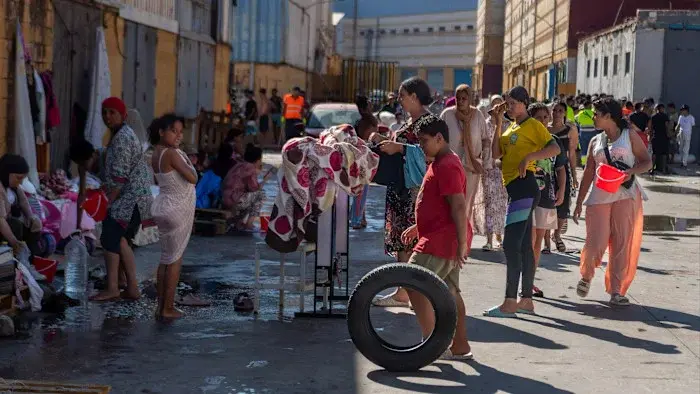
Spain has reinstated temporary border controls on travelers arriving from Italy, a reciprocal measure to Italy's own checks introduced after the mass migrant influx into Ceuta. The dispute, which pits Prime Minister Pedro Sánchez against Giorgia Meloni, has fractured EU unity and raised questions about the integrity of the Schengen free-travel zone.
Key points
- Spain announced it would check identities and documents of travelers from Italy starting at midnight, with measures set to last until September 7.
- The decision follows Italy's imposition of similar controls on travelers from Spain, which Rome justified as a security measure to prevent migrants from Ceuta from entering the Schengen area.
- Spain rejected Italy's rationale, calling it 'unjust' and 'discriminatory,' and argued that no migrants from Ceuta had entered the Schengen zone due to existing controls on mainland Spain.
- The European Commission stated it had not received notification of Spain's temporary border controls and emphasized that illegal movement to mainland Spain had been successfully prevented.
- Italy, led by Prime Minister Giorgia Meloni, refused to lift its checks before August 15, citing security concerns and unsubstantiated rumors of a new migrant wave to Ceuta.
Background
The dispute stems from a mass influx of approximately 72,000 migrants into the Spanish enclave of Ceuta on July 30, which resulted in at least 82 deaths and left around 1,300 children stranded. This event triggered a broader EU debate on migration policy and border security, with Italy's initial move to impose checks seen as a political signal rather than a practical security measure, according to earlier analysis.
How outlets are covering it
The Financial Times highlights the deepening rift between Sánchez and Meloni, noting Spain's move as a direct retaliation. The BBC emphasizes Spain's threat of 'proportionate measures' and Italy's refusal to accept 'ultimatums,' while The Guardian focuses on the diplomatic fallout, with Spain's foreign minister describing Italy's actions as a 'torpedo fired at the hull of European unity.' All sources agree on the core facts of the reciprocal border checks but differ in emphasis: The FT and Guardian stress the EU-wide implications, while the BBC focuses on the immediate diplomatic standoff and the uncertainty surrounding a potential second migrant wave.
Why it matters
The reinstatement of border controls between two EU member states undermines the Schengen Area's principle of free movement and signals a potential fragmentation of EU migration policy. The dispute also highlights the political tensions between left-wing and right-wing governments within the bloc, with Meloni's hardline stance on immigration clashing with Sánchez's more pro-immigration approach. The crisis could set a precedent for other member states to impose unilateral border controls, further eroding EU cohesion.
What to watch
Spain's border checks are set to remain in place until September 7, while Italy has indicated it will maintain its controls until at least August 15. The European Commission is likely to monitor the situation closely, and further diplomatic negotiations between Madrid and Rome may be necessary to resolve the dispute. The potential for a second migrant wave to Ceuta, as rumored by Italian authorities, could further escalate tensions.
- Spain reinstates border controls on Italy as tensions rise over migrants Financial Times
- EU’s Internal Borders Start to Harden as Dispute Grows Over Migrants WSJ
- Spain to impose border controls against Italy as row over Ceuta migrant influx intensifies BBC
- Spain to establish border controls on travellers from Italy amid migration dispute Reuters
- Spain to introduce temporary border checks on visitors from Italy The Guardian
Want the full story? Read the original reporting
Read on Financial Times