
Spain’s New Sahrawi Citizenship Law Sparks Diplomatic Friction with Morocco
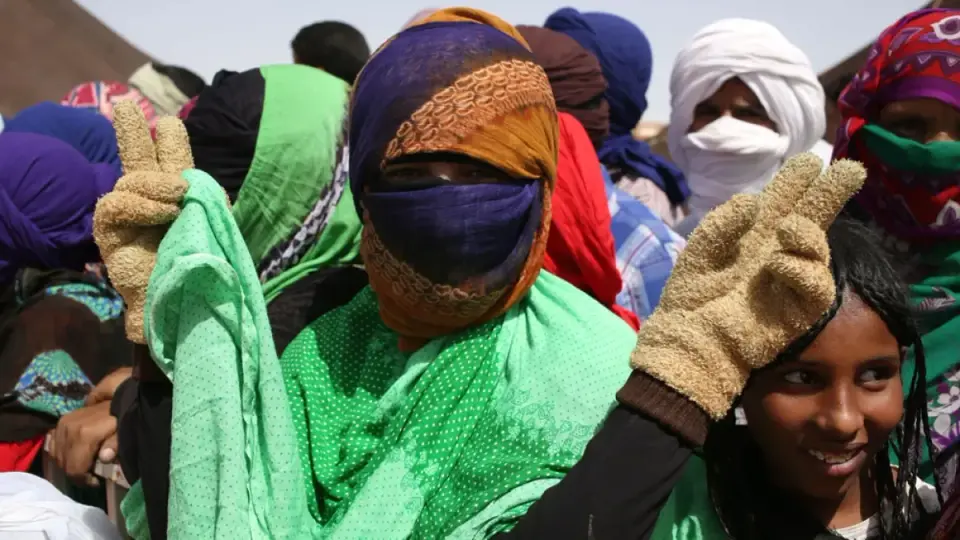
Spain’s lower house approved a bill granting citizenship to Sahrawis born in Western Sahara before 1977, bypassing standard residency rules. The move, which could affect up to 200,000 people, has drawn scrutiny from Morocco and EU partners due to its timing amid recent border crises.
Key points
- Spain’s Congress passed the bill 168-31, with 145 abstentions, allowing Sahrawis born in Western Sahara before September 29, 1977, to apply for nationality without meeting the usual 10-year residency requirement.
- The law reduces the residency wait for eligible Sahrawis living in Spain from 10 years to two, aligning them with other fast-track nationalities like those from Ibero-American countries.
- Estimates of eligible beneficiaries range from 70,000 to 200,000, including first-degree descendants, though the exact number remains uncertain.
- The bill must now pass the Senate, where the opposition People’s Party holds a majority and could delay or amend the text.
- The measure does not recognize the Polisario Front or an independent Sahrawi state, but it creates a new class of EU citizens with ties to the disputed territory.
Background
This development follows Spain’s 2022 shift in foreign policy, where Madrid endorsed Morocco’s autonomy proposal for Western Sahara to repair diplomatic ties. The bill also arrives after the July 2026 Ceuta migrant surge, which strained Spain-Morocco relations and prompted EU border cooperation debates. Spain has previously used historical ties to grant citizenship, such as the 2015 law for Sephardic Jews and the 2022 Democratic Memory Law for Civil War exiles.
How outlets are covering it
Al Jazeera emphasizes the diplomatic implications for Spain-Morocco relations, noting that while the law does not change territorial status, it could create a larger community of EU citizens with ties to Western Sahara. Euronews highlights the political debate within Spain, with the governing coalition supporting the bill as a correction of historical injustice, while the People’s Party and Vox opposed or abstained, citing concerns about electoral manipulation. IMI Daily focuses on the legal and EU dimensions, warning that the law could strain EU solidarity and face litigation, while also noting the Senate’s potential to delay the bill. All sources agree on the vote count and the bill’s core provisions but differ in emphasis: Al Jazeera on Morocco’s concerns, Euronews on domestic politics, and IMI on EU and legal risks.
Why it matters
The law could reshape Spain’s relationship with Morocco and the EU by creating a new cohort of citizens from a disputed territory, potentially complicating migration and security policies. It also tests the limits of Spain’s historical nationality laws and may set a precedent for other claims, including Morocco’s stance on Ceuta and Melilla.
What to watch
The bill will be reviewed by the Senate, where the People’s Party could delay or amend it. If passed, beneficiaries will have three years to apply, and the law will take effect four months after publication. Litigation is likely, as seen with the Democratic Memory Law, and EU partners may scrutinize the impact on border and migration policies.
- Why Spain’s new Sahrawi citizenship law matters to Morocco Al Jazeera
- Spain approves citizenship for Sahrawis born under Spanish rule Reuters
- Spanish parliament backs citizenship law for Western Saharans euronews.com
- Spain Moves to Grant Citizenship to Up to 200,000 Sahrawis, No Residence Required IMI Daily
- Spain’s new citizenship law to spark fresh tensions with Morocco Financial Times
Want the full story? Read the original reporting
Read on Al Jazeera