
Merz Concedes Asian Nations Fear EU Auto Protectionism Amid 'Made in Europe' Dispute
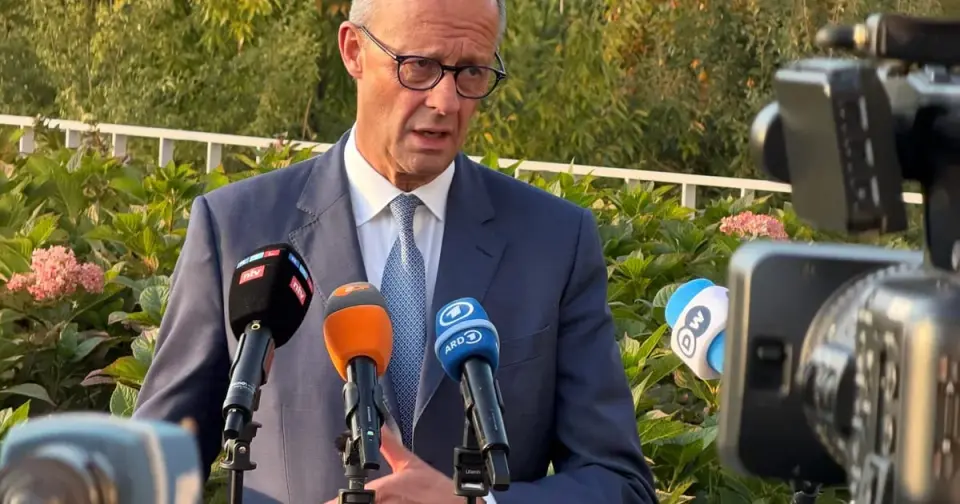
German Chancellor Friedrich Merz admitted he was surprised by the intensity of opposition from East Asian nations regarding a Franco-German proposal to restrict EU car subsidies to vehicles produced within the bloc. While Merz pledged to address these concerns at the upcoming EU summit in Dublin, Japanese and South Korean leaders argue the rules constitute protectionism that unfairly excludes their manufacturers from public procurement and incentives.
Key points
- Merz stated the Franco-German plan to limit subsidies to EU, UK, and Swiss-made cars sparked significant concern in Japan, South Korea, and Singapore.
- South Korean President Lee Jae Myung requested that Korea be treated similarly to EU member states, while Japan’s Minister Ryosei Akazawa warned that exclusion would have a substantial impact.
- The proposal, agreed on October 16, 2026, favors vehicles assembled in the EU or containing a specific share of EU components, though the exact threshold remains unconfirmed.
- Merz proposed a global trade alliance with middle powers to counter external economic pressure, but noted that industry-specific frictions complicate this broader diplomatic effort.
- The EU aims to finalize the policy among member states in November 2026, with an informal leaders' summit scheduled for November 13 in Dublin.
Background
This dispute follows the October 16 Franco-German agreement, which redefined 'Made in Europe' standards to protect the automotive sector while softening the 2035 combustion engine ban. The current friction highlights a shift in EU industrial policy, moving from open trade partnerships toward stricter local-content requirements for subsidies and public procurement, a trend previously discussed in the context of UK-EU trade negotiations.
How outlets are covering it
POLITICO emphasizes Merz’s personal surprise at the diplomatic backlash and his subsequent pivot toward a broader 'rules-based trade' alliance with middle powers. In contrast, shattered.io focuses on the technical mechanics of the dispute, noting that Japan is not asking for special favors but for equal treatment under component-share or assembly tests. While POLITICO frames the issue as a diplomatic crisis, shattered.io highlights that the policy remains unconfirmed and that the exact eligibility thresholds are still under negotiation, suggesting the conflict may be resolved through technical adjustments rather than a complete reversal of the Franco-German stance.
Why it matters
The outcome of this negotiation will determine whether major Asian automakers can access lucrative EU subsidies and public contracts. If the strict 'Made in Europe' rules are enforced without concessions, it could fragment global supply chains and force manufacturers to accelerate local production in Europe, while failing to resolve the dispute could strain diplomatic ties between the EU and key allies like Japan and South Korea.
What to watch
Merz plans to raise the Asian concerns at the informal EU leaders' summit in Dublin on November 13. The EU aims to reach a final agreement on the subsidy rules among member states in November 2026, though the specific component thresholds and treatment of non-EU produced vehicles remain unconfirmed.
- Merz ‘surprised’ by Asian pushback to ‘Made in Europe’ plan for car industry POLITICO.eu
- Merz Sees Mounting Concern in Asia Over EU ‘Buy European’ Rules Bloomberg.com
- Germany's Merz to relay Asian partners' protectionism concerns to Brussels Reuters
- Takaichi presses Merz not to leave Japan out of 'Made in Europe' EV subsidies Nikkei Asia
- Japan Wants EU EV Policy Changes by Nov: 1 Deadline [2026] shattered.io
Want the full story? Read the original reporting
Read on POLITICO.eu