
Nordic Defense Cluster Offers Blueprint for NATO's Eastern Flanks
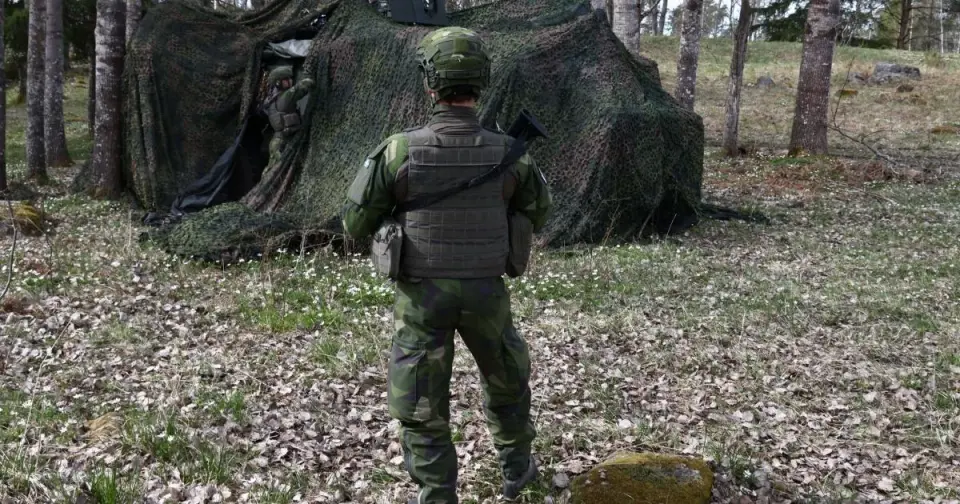
Matti Pesu argues that the deepening military integration among Denmark, Finland, Iceland, Norway, and Sweden provides a viable model for strengthening NATO's deterrence against Russia. By creating a regional 'deterrence cluster' with shared command structures and joint operations, these nations demonstrate how subregional cooperation can enhance collective defense, particularly as Washington pushes Europe to assume greater responsibility for its own security.
Key points
- In August 2026, Sweden deployed fighter aircraft and a warship under Finnish command to patrol the Gulf of Finland, illustrating the high level of operational integration between the two newest NATO members.
- The Nordic Defense Cooperation (NORDEFCO) has evolved from a cost-saving initiative into a security imperative, featuring a cross-border transit area, joint exercises, and a unified airpower concept involving 250 advanced fighter aircraft.
- A division of labor has emerged: Finland commands land operations, Norway hosts air operations headquarters, Sweden serves as a logistics hub, and Denmark manages special operations, all within NATO's Joint Operations Area Northwest.
- Pesu suggests that Baltic and Black Sea regions should adopt similar 'minilateral' frameworks to improve interoperability, such as coordinating air defense systems and joint maritime patrols, to counter Russian threats more effectively.
- The article critiques the U.S. approach, noting that while Washington advocates for a 'NATO 3.0' where Europe leads conventional defense, its erratic stance on Greenland risks undermining the very allies delivering this capability.
Background
Recent diplomatic tensions have highlighted the complexities of Nordic engagement with Moscow. In late October 2026, Finnish President Alexander Stubb and Norwegian Prime Minister Jonas Gahr Støre held direct phone calls with Vladimir Putin, a move that sparked controversy within Europe for bypassing EU consensus. While the calls aimed to open channels for peace talks, they drew sharp criticism from Danish and Swedish leaders who feared fractured unity. This diplomatic friction underscores the broader challenge of balancing direct dialogue with Russia against the need for cohesive Western deterrence, a dynamic that the proposed Nordic military model seeks to address through structured, institutionalized cooperation rather than ad hoc diplomatic outreach.
Why it matters
As Russia's military posture becomes more aggressive and the U.S. shifts toward a supporting role in European defense, the ability of frontline states to act collectively is critical. The Nordic model offers a practical solution to the 'indivisible security' taboo by demonstrating that regional clusters can enhance, rather than undermine, NATO's overall effectiveness. This approach could prevent paralysis in the alliance by allowing frontline states to respond to threats independently if necessary, while also providing a template for other vulnerable regions like the Baltics and Black Sea to strengthen their own defensive capabilities.
What to watch
The success of the Nordic model may prompt other NATO regions to develop similar minilateral frameworks. In the Baltic, this could involve deeper integration of air defense and logistics between Estonia, Latvia, Lithuania, and Poland. In the Black Sea, Bulgaria, Romania, and Turkey may expand their joint maritime operations. However, the pace of these developments will depend on whether the U.S. supports these regional initiatives and how quickly Russia escalates its threats, potentially forcing a faster adoption of these defensive measures.
Want the full story? Read the original reporting
Read on Foreign Affairs