
State Department Diverts $605M in Family Planning Aid for Energy and Corporate Interests
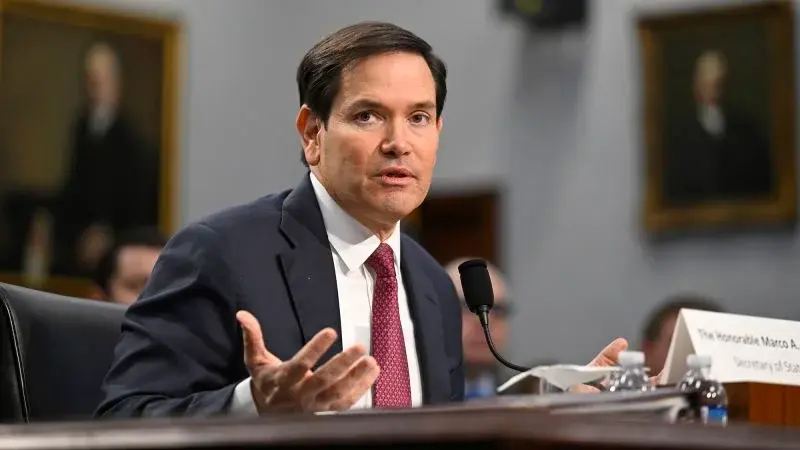
The Trump administration plans to divert or withhold nearly all $605 million in congressional funding for international family planning, redirecting funds to energy security and a corporate innovation fund. Critics argue this violates the law, while the State Department cites emergency energy needs.
Key points
- The State Department intends to divert or withhold approximately $605 million in fiscal year 2026 funding allocated by Congress for global family planning and reproductive health services.
- A September memo signed by Secretary of State Marco Rubio authorized redirecting up to $125 million in foreign aid to address 'energy security needs' caused by market disruptions in Iran and Ukraine, with over $48 million sourced from family planning budgets.
- The administration plans to move $888 million into a global health innovation fund supporting US corporations, while cutting over $1.6 billion in global health assistance for foreign countries.
- Eight countries, including South Africa, Tanzania, and Zimbabwe, face significant funding cuts, with eight nations seeing their health funding reduced to zero since 2024.
- Critics, including lawmakers and nonprofits, argue the executive branch is exceeding its constitutional authority by ignoring specific congressional appropriations, while the administration defends the moves as necessary for unanticipated crises.
Background
This development follows a broader pattern of the administration using 'pocket rescissions' to cancel congressionally approved spending, which has triggered legal challenges and constitutional debates. In October 2026, the administration canceled $810 million in spending, a move condemned by the Government Accountability Office as unconstitutional. Additionally, the administration previously redirected $1.35 billion in global health funding to cover the costs of closing the US Agency for International Development. The current budget moves align with the 'America First Global Health Strategy' launched in 2025, which aims to reduce US assistance while increasing support for domestic corporate innovation.
How outlets are covering it
CNN and Mezha.net report on the specific budget diversions, highlighting the lack of transparency in the $888 million innovation fund and the sharp cuts to low-income countries. Ms. Magazine frames the family planning cuts within a broader context of the administration’s rollback of pregnancy protections and prioritization of military spending over healthcare. While the State Department argues the diversions are necessary to address 'exigent energy security needs' and unanticipated contingencies, critics like Vincent Lin of Partners In Health and Congresswoman Lois Frankel characterize the actions as a 'flagrant' violation of congressional will and a dangerous overreach of executive power. Public Citizen, Partners In Health, and Population Action International argue that the innovation fund prioritizes commercial interests over public health objectives, whereas the administration claims it is exploring cost-effective ways to leverage American innovations to save lives.
Why it matters
The diversion of funds threatens to undermine decades of US investment in global family planning, which was estimated to prevent 34,000 maternal deaths in 2024. The reallocation of resources to energy security and corporate innovation funds raises significant questions about the executive branch's authority to repurpose specific congressional appropriations, potentially setting a precedent for future budgetary conflicts between the White House and Congress.
What to watch
Public Citizen is suing the State Department to force the release of records surrounding the bilateral global health agreements and the innovation fund. The ongoing federal court case may determine the legality of the administration's spending diversions. Additionally, the incoming Democratic majority in Congress, which took control in the 2026 midterms, is expected to scrutinize these executive actions and potentially challenge the administration's interpretation of its spending authority.
- The Trump administration is diverting billions in health funding away from low-income countries, defying Congress’ plans CNN
- Keeping Score: Trump Administration Moves to Weaken Pregnancy Protections, Prioritizes Military Spending Over Daycare and Healthcare; Midterm Firsts and Milestones Ms. Magazine
- Trump administration plans to divert or withhold most Congress-approved family-planning aid Mezha.net
Want the full story? Read the original reporting
Read on CNN