
Trump and Iran Dismiss Midterm Influence as Pence Condemns Russia Diesel Deal
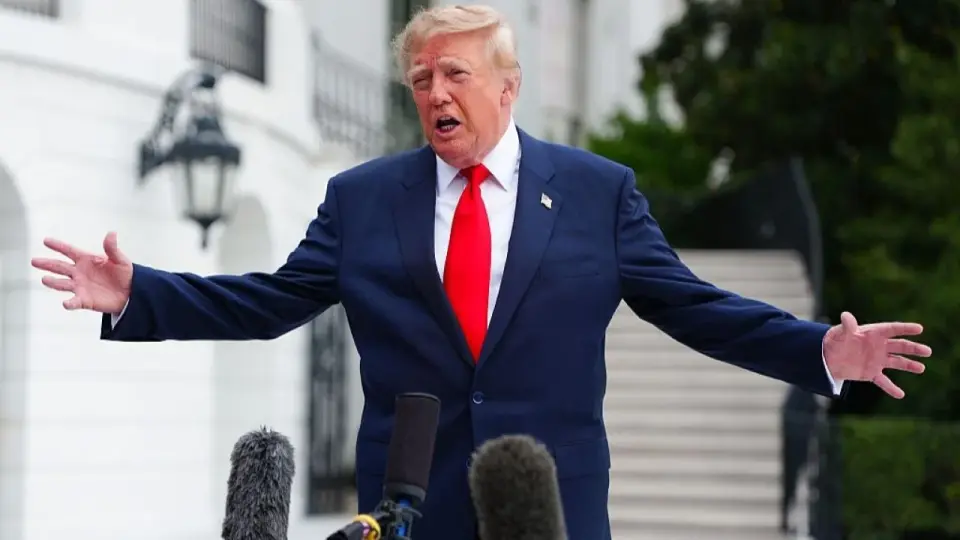
President Trump and Iranian officials both assert that the upcoming US midterm elections are not influencing current peace negotiations, despite Trump’s pledge to halt military strikes before the vote. While Tehran demands the lifting of port blockades and sanctions, Trump warned that Iran will cease to exist if it does not cooperate post-election. Simultaneously, former Vice President Mike Pence criticized Trump’s decision to lift sanctions on Russian oil, calling it a betrayal of national security and urging the president to rescind the deal. The controversy arises as Trump faces pressure to lower diesel prices before the election, while critics argue the move fuels Vladimir Putin’s war machine in Ukraine. Regional tensions remain high, with Houthis attacking Saudi Arabia’s King Khalid International Airport, killing at least 12 people, and the US military disabling vessels in the Gulf of Oman to enforce its naval blockade against Iran.
Key points
- Trump and Iranian officials both state that the November 3 midterm elections are not a factor in ongoing peace talks.
- Trump pledged to halt military strikes on Iran before the elections but warned that Iran will 'not exist' if it refuses to cooperate afterward.
- Iranian officials insist the conflict will not end until the US lifts the blockade on Iranian ports and ends economic sanctions.
- Former Vice President Mike Pence criticized Trump’s decision to lift sanctions on Russian oil, calling it a 'betrayal' of late Senator Lindsey Graham’s legacy.
- Pence urged Trump to rescind the deal, arguing it fuels Putin’s war machine and undermines support for Ukraine.
- Trump announced a phone agreement with Putin to release millions of tons of diesel fuel into the global market to lower prices before the midterms.
Background
This development follows a series of shifts in US-Iran relations since late September. On September 28, Trump rejected a conditional peace proposal from Iran, causing oil prices to surge above $107. By October 2, the US deployed a third aircraft carrier and 10,000 troops to the Middle East after diplomatic talks collapsed. On October 8, Trump reversed his stance, halting strikes before the midterms to limit political damage. The current situation reflects a continued pattern of oscillating between military escalation and diplomatic pauses, with the midterm elections serving as a key constraint on US military action.
How outlets are covering it
Fox News frames the situation as a strategic standoff where both sides dismiss the midterms as a factor, highlighting Trump’s hardline warnings to Iran and his diplomatic maneuvering with Russia. The outlet emphasizes the political pressure on Trump to lower diesel prices, presenting the Russia deal as a response to domestic economic concerns. In contrast, Blue Virginia and other outlets cited in the roundup portray the Russia diesel deal as a betrayal of Ukraine and a sign of Trump being an 'easy mark' for Putin, with critics like Mike Pence arguing it fuels Russian aggression. Middle East Eye provides a broader regional context, noting the escalation of Houthi attacks on Saudi Arabia and the US naval blockade in the Gulf of Oman, suggesting that the Iran-US standoff is part of a wider regional instability. The outlets differ in their emphasis: Fox focuses on the US-Iran dynamic and domestic politics, while Blue Virginia and Middle East Eye highlight the broader geopolitical consequences and regional conflicts.
Why it matters
The dismissal of the midterms as a factor in peace talks suggests that the US-Iran conflict may escalate after November 3, potentially leading to renewed military strikes. The controversy over the Russia diesel deal highlights deep divisions within the US political establishment regarding support for Ukraine and the effectiveness of sanctions against Russia. The Houthi attacks on Saudi Arabia and the US naval blockade in the Gulf of Oman indicate that regional instability is spreading, with potential implications for global energy markets and security. These developments could have significant consequences for US foreign policy, international alliances, and the global economy, particularly as oil prices and geopolitical tensions remain high.
What to watch
The next few weeks will be critical as the US and Iran navigate the period before the midterm elections. Trump’s pledge to halt strikes may hold, but his warnings suggest that any lack of cooperation from Iran could trigger a rapid escalation. The political fallout from the Russia diesel deal will likely intensify, with Republicans and Democrats debating the merits of lifting sanctions and supporting Ukraine. The US may also consider joining Saudi strikes against the Houthis following the Riyadh airport attack, potentially drawing the US into a broader regional conflict. The outcome of the midterm elections will likely influence the US approach to both Iran and Russia, with a potential shift in policy if Republicans lose control of Congress.
Want the full story? Read the original reporting
Read on Fox News