
Zelensky Proposes Energy Truce as Russian Winter Strike Campaign Intensifies
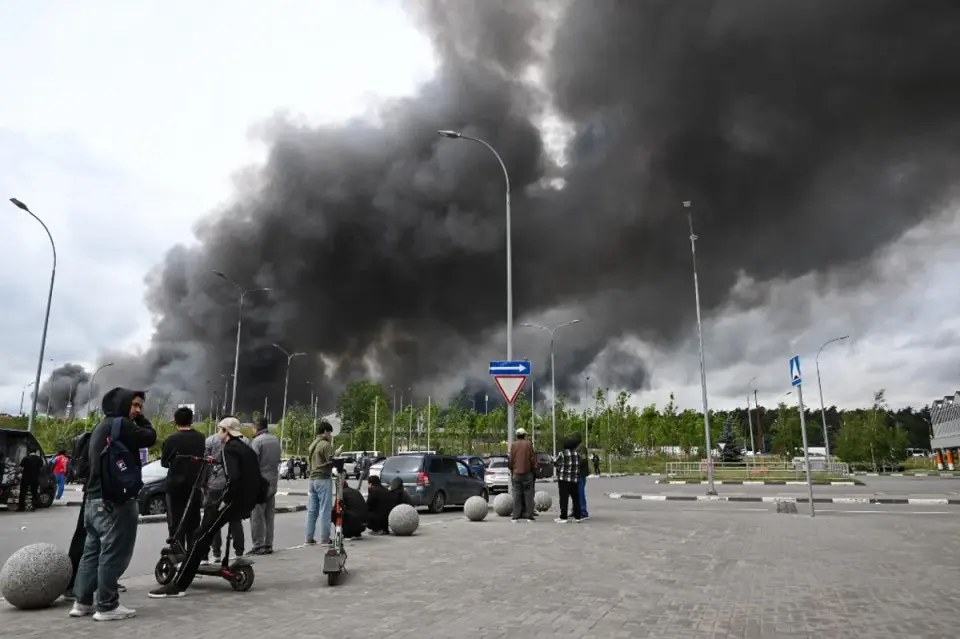
President Volodymyr Zelensky announced on October 11 that Ukraine is prepared to halt long-range strikes on Russian oil refineries if Moscow ceases attacks on Ukrainian energy infrastructure. This reciprocal proposal comes as Russia intensifies its winter strike campaign, launching approximately 1,450 glide bombs, 75 missiles, and 1,640 drones in the past week. While Kyiv seeks a mutual de-escalation with verifiable guarantees, Washington has urged unilateral restraint to protect global fuel markets, a stance Kyiv rejects. Meanwhile, Russian forces have begun targeting critical infrastructure in Kyiv and other regions, with civilian casualties rising sharply, including 23 deaths in Zaporizhzhia.
Key points
- Zelensky stated that halting strikes on energy infrastructure is feasible immediately but requires reciprocal commitments and real guarantees from Russia.
- Russian forces launched roughly 1,450 glide bombs, 75 missiles, and over 1,640 drones against Ukraine in the past week, with 60% of drones being high-speed turbojet variants.
- Search and rescue operations in Zaporizhzhia concluded with a death toll of 23, including four children, following a glide bomb strike on a residential building.
- Ukraine conducted a repeat strike on the Samara linear production and dispatching station near Prosvet, following an earlier strike on October 7 that destroyed four large-capacity crude oil storage reservoirs.
- The Institute for the Study of War (ISW) notes that Russia is intensifying strikes on Ukrainian critical infrastructure to make civilian life unbearable, aiming to force capitulation ahead of the winter heating season.
Background
This development follows a series of escalations in late 2026. In September, Zelensky warned of a symmetric response to winter power-grid attacks, pushing for a mutual 'energy truce.' By early October, Moscow vowed to escalate strikes on Kyiv infrastructure after Zelensky pledged to double down on refinery attacks. The current proposal for a reciprocal cessation of energy attacks emerges amid an intensified Ukrainian interdiction campaign against downstream petrochemical logistics, including strikes on the Yug Rusi oil terminal in Rostov-on-Don and corporate data centers in Vladimir, Kaluga, and Ryazan regions.
How outlets are covering it
Kyiv Post emphasizes Zelensky's proposal for a reciprocal energy truce, highlighting the operational scale of Russian strikes and the civilian toll, including the 23 deaths in Zaporizhzhia. The Institute for the Study of War (ISW) frames the Russian escalation as a deliberate strategy to make civilian life unbearable, noting that the Russian Ministry of Defense's justification for the strikes is unfounded and that many of its claims are blatantly false. ISW also highlights Ukraine's urgent pursuit of domestic production of jet-powered drone interceptors to combat Russia's escalating strike campaign, while Kyiv Post focuses on the diplomatic friction between Kyiv and Washington over unilateral restraint. Both sources agree on the intensity of the Russian strike campaign but differ in emphasis: Kyiv Post focuses on the diplomatic proposal and civilian casualties, while ISW analyzes the strategic and military implications of the escalation.
Why it matters
The proposed energy truce could significantly impact global energy markets and the trajectory of the war. If successful, it could reduce pressure on international fuel benchmarks and limit Russian state revenues supporting the war effort. However, the dispute between Kyiv and Washington over unilateral restraint highlights the complex diplomatic dynamics at play. The intensification of Russian strikes on Ukrainian critical infrastructure, particularly ahead of the winter heating season, poses a severe threat to civilian life and Ukraine's ability to sustain its defense. The outcome of these negotiations will likely influence the broader conflict and the role of international actors in mediating a potential de-escalation.
What to watch
The next steps will likely involve diplomatic engagements between Kyiv, Moscow, and Washington to negotiate the terms of a potential energy truce. Zelensky has scheduled meetings with European leaders to coordinate additional defense packages, including surface-to-air defense systems and ammunition for combat aviation. Ukraine will continue to develop and deploy new anti-jet drone interceptors, such as the Bars system, to counter Russia's escalating strike campaign. The outcome of these negotiations and the effectiveness of Ukraine's air defense will determine whether the energy truce can be implemented and whether the winter strike campaign will be mitigated.
- Ukraine Ready to Halt Refinery Strikes for Energy Truce, Zelensky Says Kyiv Post
- Ukraine will stop hitting refineries if Russia halts energy attacks, Zelenskiy says Reuters
- Zelensky offers energy truce to Putin after Trump row The Times
- Russian Offensive Campaign Assessment, October 4, 2026 Institute for the Study of War
- Exclusive: A Russian Blueprint For A Cold, Dark Winter In Ukraine Radio Free Europe/Radio Liberty
Want the full story? Read the original reporting
Read on Kyiv Post