
Trump Diverts $125M in Foreign Aid for Energy Crisis, Ignoring Congressional Holds
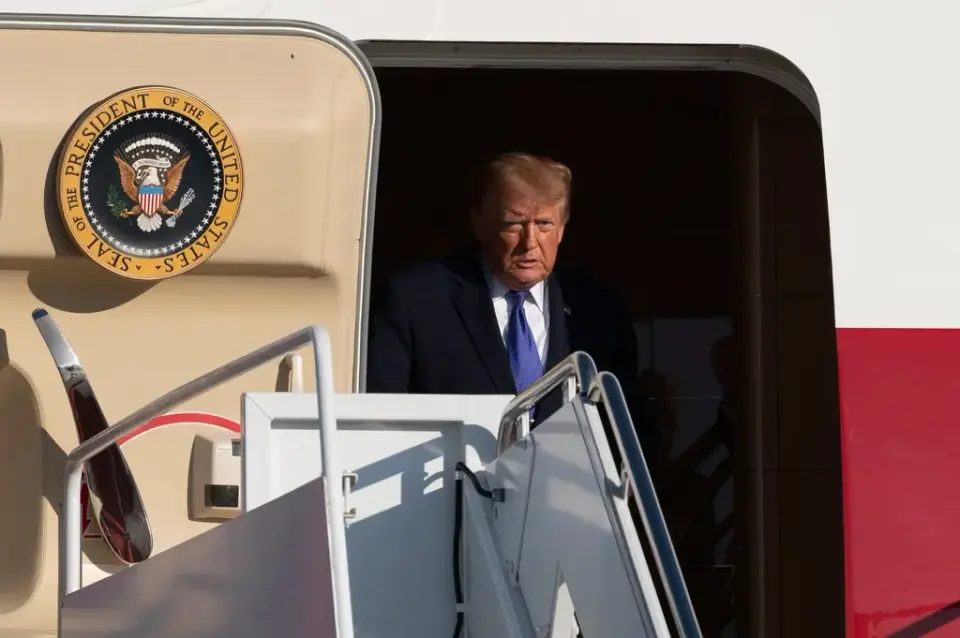
President Trump has redirected $125 million in foreign aid to address energy costs, bypassing congressional restrictions and specific allocations for family planning and other regions. The move lacks transparency regarding recipient countries and follows a pattern of unilateral fund shifts that ignore legislative intent.
Key points
- Trump diverted $125 million in foreign aid to mitigate energy costs, citing 'exigent energy security needs' without specifying recipient nations.
- The diverted funds include $49 million originally allocated by Congress for family planning and contraception in low-income countries, which the administration had previously refused to spend.
- The State Department justified similar past diversions by claiming alignment with the National Security Strategy, specifically targeting narco-terrorism and securing the Panama Canal.
- Critics argue the administration treats foreign aid as a discretionary fund, ignoring congressional holds and statutory requirements for specific countries like Slovakia and North Macedonia.
- The administration has also withheld over $1 billion in EPA and HHS funds, citing disagreements with climate change and scientific research priorities.
Background
This development follows a pattern of unilateral fund diversions by the Trump administration, including a recent $52 million shift from European military aid to Latin American allies. It also occurs amid broader controversies regarding the use of federal funds for political purposes, such as the recent $90 Medicare checks for seniors. Additionally, recent allegations regarding secret Gulf state funding linked to Jared Kushner have heightened scrutiny over opaque financial flows in foreign policy.
Why it matters
The diversion of foreign aid without congressional approval undermines the legislative power of the purse and raises concerns about the transparency and accountability of international aid. By reallocating funds designated for specific purposes, such as family planning, to address energy costs without clear justification, the administration risks eroding trust in foreign aid programs and potentially harming vulnerable populations in recipient countries. This move also highlights the tension between executive discretion and congressional oversight in foreign policy and budgetary matters.
What to watch
Congress may move to close loopholes in the Foreign Aid Act that allow for transfers in exigent circumstances without approval. The administration may face further scrutiny over its handling of other withheld funds, including those for the EPA and HHS. The outcome of the January 3, 2027, deadline for certain legislative actions may influence future budgetary decisions.
Want the full story? Read the original reporting
Read on Daily Kos