
UK-EU 'Reset' Deal Takes Effect Despite Tuition Fee Dispute
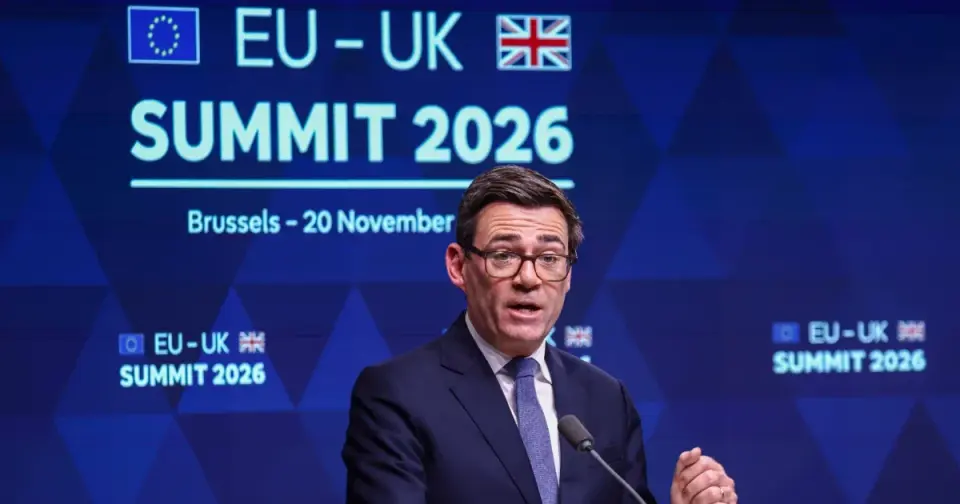
The UK and EU have finalized a new agreement to ease trade barriers and introduce a youth mobility scheme, effective from 2028. Prime Minister Andy Burnham claims the deal will boost the UK economy by £17 billion annually. However, a dispute over tuition fees for EU students remains unresolved. Foreign Secretary Ed Miliband confirmed the core trade and mobility measures will proceed regardless of the tuition fee outcome.
Key points
- The new deal includes scrapping most checks on British food exports in exchange for the UK adopting certain EU regulations from 2028.
- A new youth mobility scheme will allow young people from the UK and EU to work and study in each other's territories.
- The UK government estimates the agreement could add £17 billion to the UK economy each year.
- A separate proposal to lower tuition fees for EU students in the UK has not been agreed upon.
- Foreign Secretary Ed Miliband stated that the food, energy, and mobility agreements will come into force even if the tuition fee issue is not resolved.
Background
This development follows a decade of post-Brexit friction. Recent archive coverage indicates that Prime Minister Burnham has been actively seeking to rewrite the UK's relationship with the EU, driven by economic pressures and geopolitical shifts. Previous reports highlighted domestic political divisions, with pro-EU figures pushing for closer ties or rejoining the bloc, while eurosceptic parties warned against reversing Brexit benefits. The current agreement represents a significant policy shift from the 2016 referendum outcome.
How outlets are covering it
NBC News frames the deal as a response to economic pain and Russian threats, emphasizing the need to rebuild ties with the EU. The New York Times highlights the role of external pressures, including US policy under President Trump and Chinese economic dominance, in driving Britain and Europe closer together. The BBC provides a detailed breakdown of the deal's components and the ongoing dispute over tuition fees, noting that while the core agreements will proceed, the tuition issue remains a point of contention. Critics, including Conservative leader Kemi Badenoch and Reform UK leader Nigel Farage, have strongly opposed the deal, with Farage calling it a 'betrayal of the British people.'
Why it matters
The deal signals a significant shift in UK-EU relations, moving away from the post-Brexit barriers that have hindered trade and mobility. It could impact the cost of living, food prices, and labor markets in both the UK and the EU. The unresolved tuition fee issue may continue to strain relations and affect the higher education sector. The deal also reflects broader geopolitical trends, with the UK and EU seeking closer cooperation in the face of global challenges.
What to watch
The core agreements on food exports, energy, and youth mobility are set to take effect in 2028. Negotiations on the tuition fee issue will continue, with the UK government and EU expected to seek a resolution. The political debate over the deal is likely to intensify, with opposition parties and eurosceptic groups challenging the government's stance. The UK may also explore further options for closer EU ties, as suggested by Foreign Secretary Ed Miliband.
- Facing economic pain and Russia threats, U.K.’s Burnham looks to rewrite Brexit with new deal NBC News
- Britain and Brussels Have Begun a Brexit Rollback. How Far Will It Go? The New York Times
- Ed Miliband: EU deal not dependent on tuition fees agreement BBC
- Andy Burnham’s EU deal is only a start The Economist
- European Union and UK strike a 'landmark deal' to strengthen ties after Brexit DW.com
Want the full story? Read the original reporting
Read on NBC News