
UK-EU Summit Yields Trade and Mobility Deal as Burnham Signals Deeper Future Ties
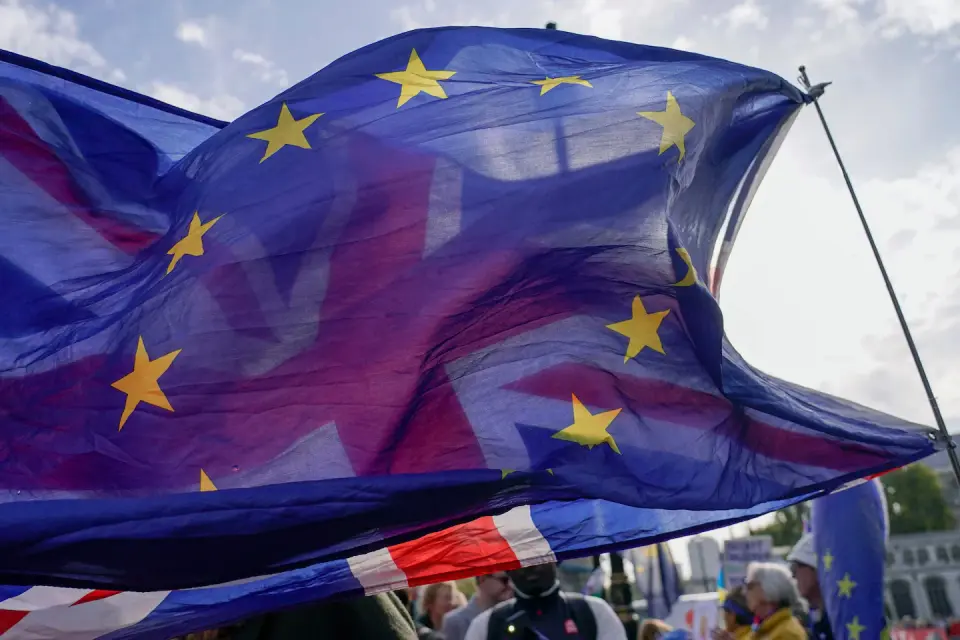
Prime Minister Andy Burnham and EU leaders agreed to a deal removing most checks on British food exports and launching a youth mobility scheme. The agreement, described as a 'reset' of post-Brexit relations, includes emissions trading links and cooperation on migrant smuggling. While the UK government projects a £17bn economic boost, critics argue it undermines sovereignty and ignores job competition concerns.
Key points
- The UK and EU agreed to scrap most checks on British food exports from 2028, with the UK adopting certain EU regulations in return.
- A new youth experience scheme will allow up to 100,000 EU and UK citizens aged 18-31 to travel, work, or study in each other's territories for up to three years, targeting implementation by January 2030.
- The UK and EU concluded talks on linking their emissions trading systems, aiming for application from 2028.
- Both sides committed to closer cooperation on migrant smuggling and human trafficking, with increased data sharing between law enforcement agencies.
- Legislation to implement the deal is expected in the UK Parliament next week, with a 10-year plan for future relations to be published next month.
Background
This development follows a decade since the 2016 referendum, during which public sentiment has shifted, with more Britons now viewing the departure from the EU as a mistake. The current 'reset' began under former Prime Minister Sir Keir Starmer but has been accelerated by Burnham, who has explicitly stated that Brexit 'has not worked.' Previous Labour manifestos pledged no return to the single market or customs union, creating a tension between current policy and past commitments.
How outlets are covering it
The Washington Post frames the deal as a significant 'unwinding' of Brexit, emphasizing the shift in public opinion. The BBC highlights the economic projections, noting the Treasury's estimate of a £17bn annual boost, while also detailing the political backlash from Conservative leader Kemi Badenoch and Reform UK's Nigel Farage, who called it a 'betrayal.' The New York Times focuses on Burnham's rhetoric, quoting his comparison of Brexit to the 'Emperor's new clothes' and noting the hurdles remaining for a closer relationship. While the UK government emphasizes cost-cutting and economic growth, critics argue the deal makes the UK a 'rule taker' and ignores the impact on young British workers.
Why it matters
This deal marks a pivotal shift in UK-EU relations, potentially influencing future trade, immigration, and environmental policies. It tests the limits of post-Brexit flexibility and sets the stage for a broader 'brainstorming process' on long-term ties, which could reshape Britain's economic and political landscape before the next election in 2029.
What to watch
Legislation to implement the deal will be introduced in the UK Parliament next week. The UK government plans to publish a 10-year strategy for EU relations next month, including reindustrialization and growth goals. An informal 'brainstorming process' will occur before the next UK-EU summit to explore options for a closer long-term relationship, with decisions deferred to the next Parliament.
- 10 years on, Britain reopens the Brexit fight — this time embracing the E.U. The Washington Post
- Andy Burnham: UK to explore even closer ties with EU after agreeing deal BBC
- Britain Announces Brexit Reset Deal at E.U. Summit: What to Know The New York Times
- Britain and EU clinch food and youth deals, but push back tuition fee talks Reuters
- EU wants ‘closest possible relationship’ with UK after agreeing Brexit reset deal – live The Guardian
Want the full story? Read the original reporting
Read on The Washington Post