
UK Green Party Faces International Ostracism and Legal Scrutiny After Adopting 'Zionism is Racism' Policy
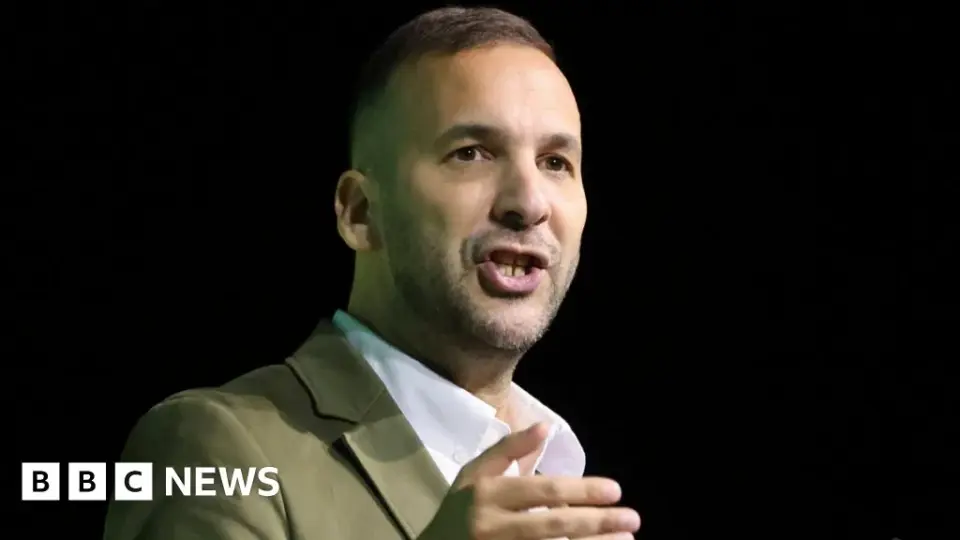
The Green Party of England and Wales adopted a binding motion declaring Zionism a form of racism, triggering an Israeli ban on leader Zack Polanski, condemnation from European allies, and legal challenges from Labour MPs, while Polanski insists the party remains inclusive of all members.
Key points
- The Green Party passed a motion by 1,022 to 813 votes defining Zionism as an ideology supporting an ethnonationalist Jewish state and backing a single democratic Palestinian state.
- Leader Zack Polanski, who is Jewish, did not vote on the motion and stated he will not accept the exclusion of any member based on their religious or communal affiliation.
- Israel banned Polanski from entering the country, while the European Green Party distanced itself from the decision, calling it contrary to their support for a two-state solution.
- More than a dozen Labour MPs reported the party to the Equality and Human Rights Commission and Sussex Police, alleging potential breaches of the Equality Act and antisemitic offences.
- Four of the party’s five MPs opposed the motion, highlighting internal divisions, while Green MP Ellie Chowns criticized the low participation rate, noting less than 1% of the 200,000-member base voted.
Background
This development follows the Green Party’s rapid membership expansion under Polanski, which has strained its decentralized policymaking structures. Previous archive coverage noted that the motion’s adoption sparked immediate internal rifts, with the Jewish Greens chair threatening to resign and legal experts warning of potential Equality Act violations. The party’s recent shift toward more radical pro-Palestinian stances has created tension between its grassroots base and its parliamentary representatives.
How outlets are covering it
BBC and Al Jazeera report the motion as a formal policy shift that has triggered international backlash, including Israel’s ban on Polanski and condemnation from the European Green Party. The Guardian emphasizes the internal governance crisis, noting that the motion passed with less than 1% of the membership voting, prompting calls to modernize the party’s decision-making processes. While BBC and Al Jazeera focus on the external diplomatic fallout and legal challenges from Labour MPs, The Guardian highlights the dissent within the party, including the opposition of four MPs and the resignation of a senior member, framing the issue as a conflict between grassroots democracy and strategic coherence.
Why it matters
The adoption of this policy marks a significant departure for a mainstream European party, potentially isolating the UK Greens from their international allies and exposing them to legal scrutiny under the Equality Act. It also highlights the growing polarization within the party between its expanded membership base and its parliamentary representatives, raising questions about the future of its internal governance and its ability to maintain unity on contentious issues like Israel-Palestine.
What to watch
The Equality and Human Rights Commission will review the complaints from Labour MPs, while Sussex Police assesses the referral for potential antisemitic offences. The European Green Party will demand clarity from the UK Greens on how they will protect Jewish members and uphold their support for a two-state solution. Internally, the party may face pressure to reform its policymaking processes to ensure broader participation and prevent similar divisions in the future.
- I won't accept exclusion, says Polanski after criticism of Zionism motion BBC
- Green party of England and Wales facing international ostracism over ‘Zionism is racism’ vote The Guardian
- UK Green Party declares Zionism is racism, angering Israel Reuters
- Before UK Greens, who else has equated Zionism with racism? Al Jazeera
- Britain’s Greens have voted, shamefully, to say Zionism is racism The Economist
Want the full story? Read the original reporting
Read on BBC