
UK MoD Launches Reservist Contact Drive Amid Rising European Threats
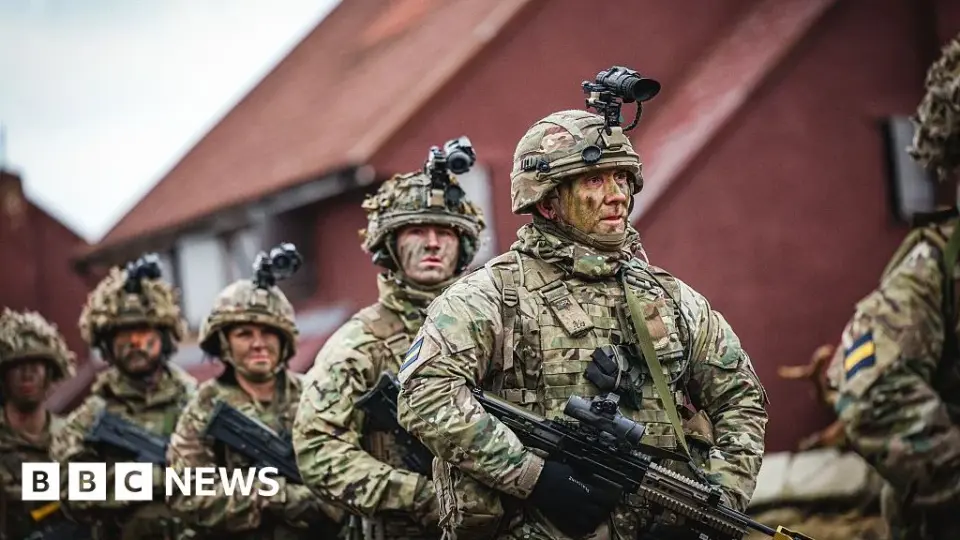
The UK Ministry of Defence is contacting thousands of former military personnel to update their contact details and skills, marking the first large-scale outreach of its kind since the Cold War. Defence Secretary Wes Streeting confirmed the move on November 26, 2026, citing a deteriorating security environment in Europe. The initiative aims to ensure the UK can mobilize its strategic reserve for potential national disasters or conflicts, with reservists invited to volunteer for NATO’s Steadfast Defender exercise in spring 2027. Streeting emphasized that the letters are not an immediate mobilization order but a measure to improve readiness and deterrence.
Key points
- The MoD is contacting thousands of former military personnel this week to verify their contact information and military skills, as confirmed by Defence Secretary Wes Streeting.
- The outreach is the first large-scale contact of its kind since the Cold War, according to The Telegraph.
- Streeting cited Russian incursions into Polish airspace, suspected Russian-sponsored sabotage across Europe, and Iran-linked threats to British military bases as reasons for the move.
- Reservists will have the opportunity to volunteer for training and exercises, including the UK’s participation in NATO’s Steadfast Defender next spring.
- The MoD has invested an additional £470 million to strengthen security at military sites, including better physical protection, surveillance, and counter-drone capabilities.
- The MoD lacks email addresses for approximately half of its estimated 95,000 strategic reservists, prompting the outreach to update records.
Background
The UK government has been under pressure to set out a path to greater defence spending, with ministers unveiling plans to boost UK firms. In October 2026, the UK signed an £8bn contract to upgrade its nuclear submarine fleet, which Streeting said would help get the country 'warfighting ready'. The MoD has also warned households to have three days of essential supplies on hand, leading to spikes in sales of torches, radios, and power banks. The current outreach follows a series of incidents, including a suspected Russian projectile landing in eastern Poland about 60 miles from a British-led military exercise.
How outlets are covering it
BBC and Fox News both report on the MoD’s outreach, but Fox News emphasizes the broader context of Russian threats and sabotage, citing the International Institute for Strategic Studies warning that suspected Russian-directed sabotage across Europe could trigger a 'mass-casualty event'. The Telegraph, while inaccessible, is cited by Fox News as reporting that the outreach is the first large-scale contact of its kind since the Cold War. BBC highlights Streeting’s emphasis on deterrence and readiness, while Fox News focuses on the security measures and investments in counter-drone technology.
Why it matters
The MoD’s outreach is a significant step in ensuring the UK can mobilize its strategic reserve in the event of a national crisis or conflict. The move reflects a growing concern about the deteriorating security environment in Europe, particularly due to Russian hybrid warfare and airspace incursions. By updating records and encouraging reservists to volunteer for training, the UK aims to improve its readiness and deterrence, reducing the likelihood of being caught unprepared in a future conflict.
What to watch
In the coming months, Strategic Reservists will have the opportunity to volunteer for training and exercises, such as the UK’s participation in NATO’s Steadfast Defender next spring. The MoD will continue to invest in security measures, including counter-drone technology and restricted airspace over critical defence sites. The government is also expected to set out a path to greater defence spending, with ministers unveiling plans to boost UK firms.
- UK reservists contacted as 'threat environment' rises, Streeting says BBC
- UK shields fighter jets, contacts reservists in Cold War-scale push amid Russia threat Fox News
- MoD prepares veterans for war The Telegraph
- MoD cannot find half of Britain’s military veteran reserve force The Times
- MoD missing contact details for nearly half of UK's strategic reservists Sky News
Want the full story? Read the original reporting
Read on BBC