
US envoys seek Putin’s approval for European inclusion in Ukraine peace talks after Abu Dhabi prisoner swap
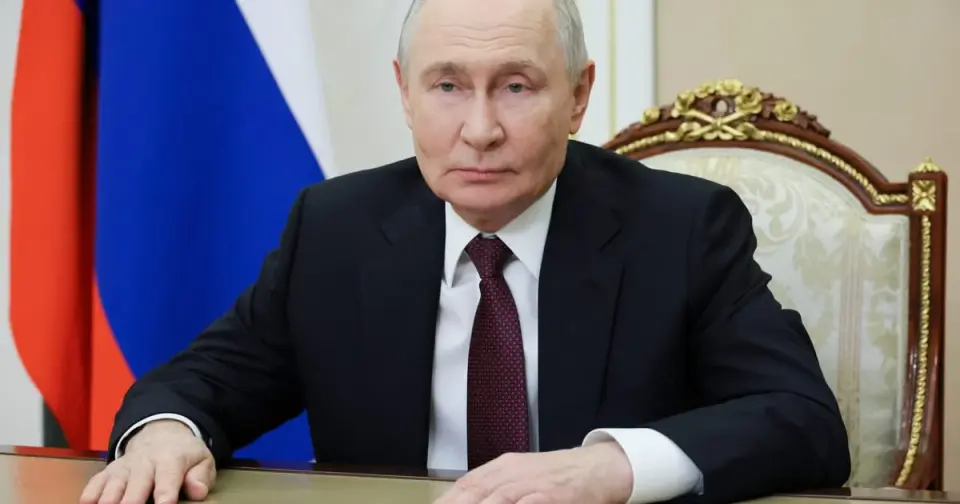
US mediators Jared Kushner and Steve Witkoff will travel to Moscow to request Vladimir Putin’s consent for European nations to join future Ukraine peace negotiations. This move follows two days of talks in Abu Dhabi, where Russia and Ukraine agreed to a large-scale prisoner exchange but failed to resolve core disputes over territory and security guarantees. While the US views European participation as essential for post-war stability, Moscow remains skeptical, citing a lack of concrete proposals from the EU. The next round of negotiations aims to finalize humanitarian relief and potentially set a date for a direct meeting between Putin and Volodymyr Zelenskyy, though significant trust deficits persist between the leaders.
Key points
- Kushner and Witkoff will meet Putin in Moscow on Thursday to secure approval for European representatives to join the peace process.
- Russia and Ukraine agreed to a major prisoner swap, with final numbers to be confirmed, marking a tangible humanitarian outcome.
- Moscow’s negotiator Vladimir Medinsky indicated that while some mutual understanding was reached, core issues remain unresolved, and he questioned the value of European involvement.
- The US and EU agreed to review post-war continental security structures, but Russia continues to reject an immediate ceasefire and broader multilateral talks.
- Kushner and Witkoff will also travel to Dublin to debrief with Zelenskyy, who is attending the European Political Community summit.
Background
These developments follow a nine-month pause in direct negotiations between Russia and Ukraine. Previous attempts, including talks in Istanbul in May 2025, resulted in prisoner exchanges but failed to secure a ceasefire. European officials have recently defied Russian objections to join the Abu Dhabi talks, aiming to ensure their security interests are not overridden by US-Russia-Ukraine discussions. The current talks are part of a broader effort by the Trump administration to end the nearly five-year conflict, which has seen significant concessions to Moscow in recent weeks, causing concern in European capitals.
How outlets are covering it
US officials, including Kushner and Secretary of State Marco Rubio, emphasize the necessity of European participation for a durable peace, describing the Abu Dhabi talks as 'substantive' and 'productive.' They argue that Europe must be involved in discussions regarding post-war security and deconfliction. In contrast, Russian negotiators, led by Vladimir Medinsky, remain skeptical, stating that there is little for Russia and the EU to discuss due to a lack of proposals from the European side. Russian Foreign Minister Sergei Lavrov previously dismissed European presence, suggesting they should 'sit in the hotel.' Ukrainian officials, including Zelenskyy and Davyd Arakhamia, have described the talks as 'constructive' but 'tough,' noting that Russia arrived with 'very strict directives.' Zelenskyy has stressed that Europe must be at the table to prevent decisions being imposed on them, while also highlighting that territorial issues remain the hardest to resolve. The G7 has also reiterated the need for European inclusion in future security negotiations, emphasizing coordinated financial support for Ukraine beyond 2026.
Why it matters
The outcome of these talks could determine the future shape of European security and the potential for a ceasefire in the Ukraine war. If Putin agrees to include Europe, it may signal a shift toward a multilateral approach, potentially easing tensions in European capitals that have been concerned about US concessions to Moscow. However, if Moscow continues to resist, it could deepen divisions between the US and its European allies, complicating efforts to secure long-term peace and financial support for Ukraine. The prisoner swap, while significant, does not address the core territorial and security disputes that have stalled previous negotiations. The success of these talks will also influence the timing and feasibility of a direct meeting between Putin and Zelenskyy, which Kushner hopes to arrange but acknowledges may require more progress first.
What to watch
Kushner and Witkoff will meet Putin in Moscow on Thursday to finalize the prisoner swap and seek approval for European inclusion in future talks. They will then travel to Dublin to debrief with Zelenskyy. The next round of negotiations will likely focus on de-escalation measures, including energy infrastructure and the Black Sea, as well as the possibility of a trilateral meeting at the leaders' level. European officials will continue to push for their inclusion, while Russia may maintain its stance on territorial concessions and security guarantees. The G7 will also address Ukraine's financing needs for 2027 and beyond, aiming to secure long-term support. The outcome of these talks will be closely watched for signs of progress or further deadlock in the peace process.
- US to seek Putin’s ‘blessing’ for Europe to join Ukraine talks POLITICO.eu
- Trump envoys to meet Putin in Moscow after latest Ukraine talks end without a breakthrough CNN
- Ukraine-Russia talks end with deal on prisoner swap, but Moscow remains cool on European involvement – Europe live The Guardian
- Ukraine-Russia peace talks enter second day with territory in focus Euronews.com
- Russia, Ukraine and US start second day of Abu Dhabi peace talks Reuters
Want the full story? Read the original reporting
Read on POLITICO.eu