
Russia's 2026 Duma Vote Tests Wartime Economy Amid Mobilization Fears
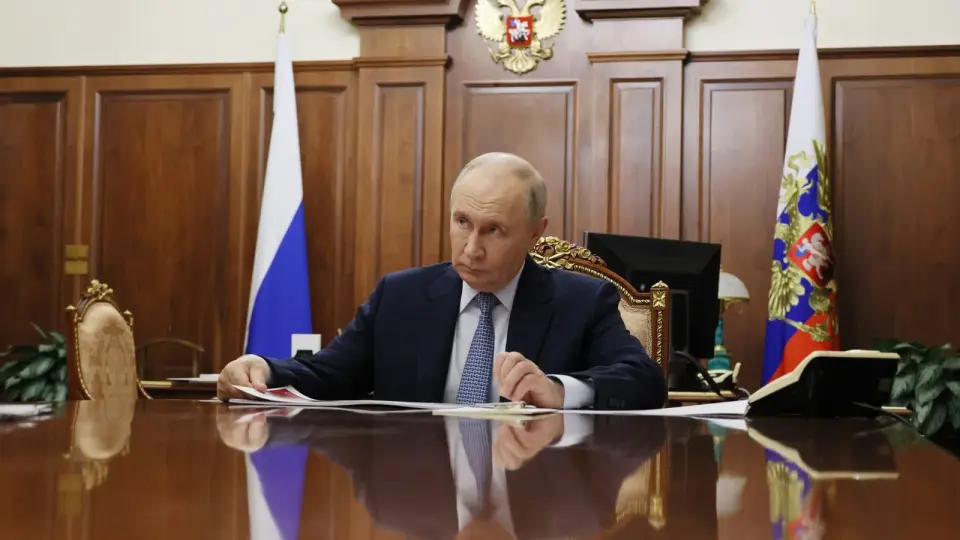
Russia's September 18-20 State Duma elections are expected to secure a victory for United Russia, but turnout and margins will reveal public discontent over the war's economic costs. The Kremlin faces pressure from fuel shortages, rising inflation, and speculation about future mobilization, while the removal of the anti-war Yabloko party eliminates the only registered opposition to the conflict.
Key points
- The three-day vote is seen as a foregone conclusion for United Russia, which needs 300 seats to maintain a supermajority through 2031.
- United Russia's approval has hit a four-year low at 32% due to a nationwide fuel crisis and Ukrainian drone strikes on infrastructure.
- Analysts warn that the Duma's long term could legitimize future political transformations or harsher wartime policies if the economy continues to struggle.
- The Kremlin removed the Yabloko party from the ballot, leaving no registered opposition to the war, while suppressing anti-war voices to avoid protest voting.
Background
This election follows a period of escalating tensions, including the Supreme Court's removal of Yabloko from the ballot in August 2026 and Ukrainian intelligence warnings that Moscow's drone campaign would continue through the vote to project a 'picture of victory.' Previous coverage highlighted Putin's framing of the vote as a unity rally and the Kremlin's efforts to manage the electoral landscape by siphoning protest votes.
How outlets are covering it
CNBC emphasizes the economic strain, noting that rising taxes and budget deficits are creating dissatisfaction, while highlighting internal Kremlin disagreements over the war's viability. The New York Times focuses on the social impact, describing a population torn between normalcy and the reality of war, with rumors of forced mobilization causing widespread anxiety. The Conversation highlights the mechanics of control, noting that while the result is certain, the Kremlin's need to manipulate turnout and margins reveals underlying weakness. All sources agree that the election serves more as a tool for legitimization than a genuine contest, but they differ on whether the primary threat is economic collapse or social unrest.
Why it matters
The outcome will determine the political stability of Russia's leadership through 2031, including the next presidential election. Low turnout or a narrow margin could signal deep public discontent, potentially influencing future policy decisions regarding the war and domestic repression. The election also serves as a barometer for the effectiveness of Kremlin control over a population facing economic hardship and military uncertainty.
What to watch
Observers will closely monitor voter turnout and the final margin for United Russia to gauge public sentiment. There is speculation that the Kremlin may initiate a new wave of mobilization after the election, a prospect that is deeply unpopular. The long-term impact of the Duma's composition on constitutional changes and wartime policies will be assessed in the coming months.
- Putin braces for election stress test as Russians ‘feel the pain’ of struggling economy CNBC
- Russian Offensive Campaign Assessment, September 16, 2026 understandingwar.org
- Russia’s Election Result Won’t Be a Shock. What Comes Next Could Be. The New York Times
- Putin’s United Russia will win – but vote tally, turnout and level of coercion will tell the real story of Russia’s wartime elections The Conversation
- Meet the anti-war candidate risking plenty to challenge Russia's ruling elite Reuters
Want the full story? Read the original reporting
Read on CNBC