
Evangelical Leader Condemns Palestinian Envoy’s Claim That the Bible Is a 'Palestinian Book'
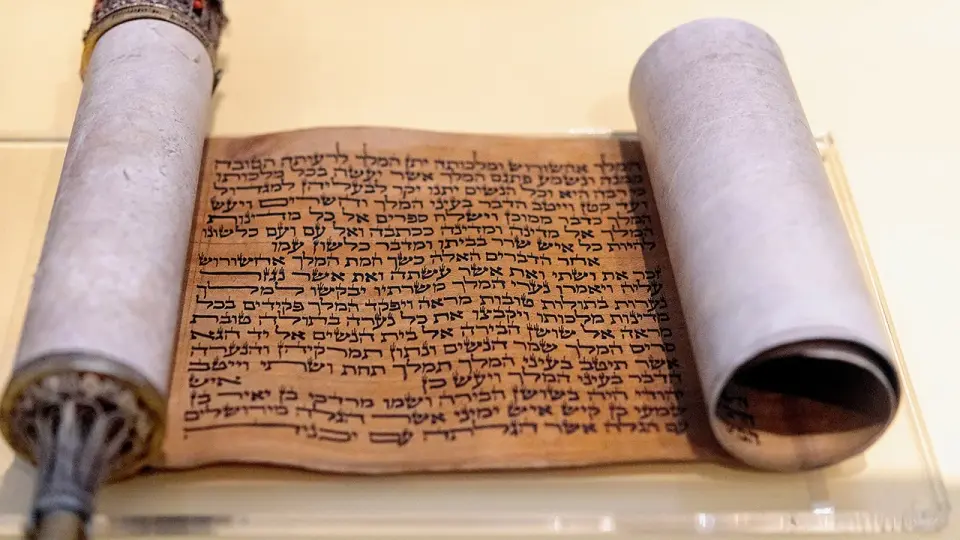
CUFI chairman John Hagee called remarks by Palestinian Ambassador to the U.K. Husam Zomlot 'contemptible' after Zomlot claimed the Bible is a 'Palestinian book' and that Jesus was a Palestinian. Hagee argued the term 'Palestinian' did not exist when the Bible was written and that the Romans later adopted the name to erase Jewish ties to the land. Critics, including Ze’ev Orenstein of the City of David Foundation, called the claims an act of historical and religious appropriation, noting Jesus and his disciples were Jewish and lived in Judea. Fox News reported that Zomlot made the comments on Sept. 3 at the University of Bradford and did not respond to requests for comment.
Key points
- Husam Zomlot, the Palestinian ambassador to the U.K., stated at the University of Bradford on Sept. 3 that the Bible is a 'Palestinian book' and that all Christians are Palestinian, claiming Jesus was a 'gift' to the British people.
- John Hagee, founder and chairman of Christians United for Israel (CUFI), condemned the remarks as 'contemptible' and anachronistic, noting the term 'Palestinian' had not been coined when the Bible was written.
- Hagee argued that the Romans adopted the name 'Palestine' to replace 'Judea' roughly a century after Christ’s crucifixion in an effort to erase Jews from the land.
- Ze’ev Orenstein, director of international affairs for the City of David Foundation, described the claims as 'identity theft' and cultural appropriation, emphasizing that Jesus and his disciples were Jewish and lived in Judea.
- Critics cited broader efforts by the Palestinian Authority to shape historical narratives through institutions like UNESCO and the U.N., including designations of sites in Hebron and Jericho under the name 'Palestine'.
Background
This controversy follows a pattern of disputes over religious and historical narratives in the region, where claims about biblical sites and figures are often tied to broader political and diplomatic efforts. Earlier coverage in our archive highlighted the significance of Palestinian cultural figures, such as artist Sliman Mansour, in shaping identity, but did not address this specific biblical dispute. The current debate reflects ongoing tensions over how historical and religious heritage is framed in international forums.
Why it matters
The dispute highlights how religious and historical narratives are leveraged in diplomatic and political contexts, potentially influencing international perceptions of the region. It underscores the sensitivity of claims that link modern national identities to ancient religious texts, with implications for interfaith relations and diplomatic engagements involving the U.K., the U.S., and the Palestinian Authority.
What to watch
Fox News reported that Ambassador Zomlot did not respond to requests for comment, leaving the immediate diplomatic fallout unclear. The controversy may prompt further debate in international forums about the historical accuracy of religious claims and the role of institutions like UNESCO in shaping narratives. CUFI and other pro-Israel groups may continue to challenge such assertions, while Palestinian authorities may defend their historical interpretations in diplomatic channels.
Want the full story? Read the original reporting
Read on Fox News