
Karbala's Arbaeen Pilgrimage Draws 20 Million Amid War and Khamenei's Death
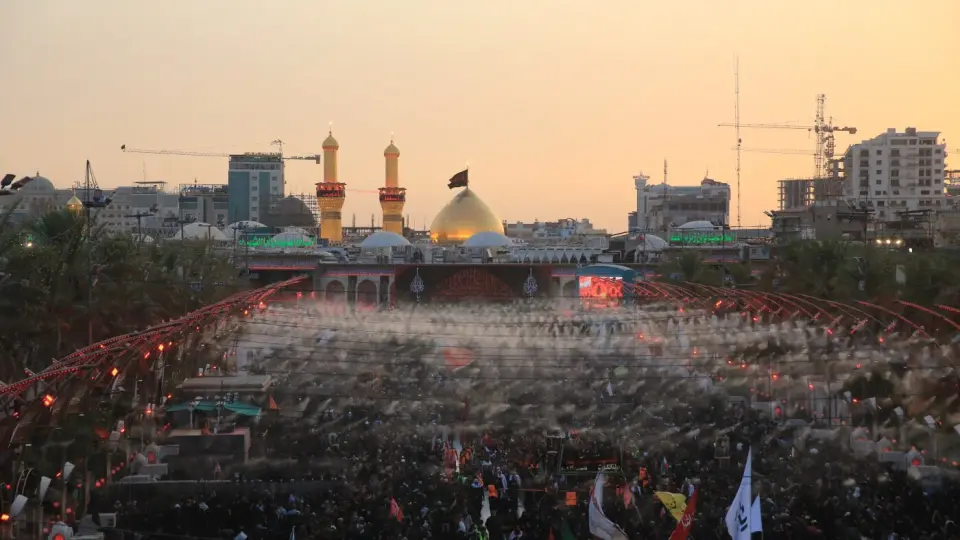
Approximately 20 million pilgrims gathered in Karbala, Iraq, for the Arbaeen commemoration, marking the largest turnout since the 2003 U.S. invasion. The event coincided with the ongoing U.S.-Israel war against Iran and the recent death of Iranian Supreme Leader Ayatollah Ali Khamenei. Pilgrims, including over 3 million from Iran, used the gathering to express grief for Khamenei and defiance against Western powers, viewing the pilgrimage as a display of Shia resilience and unity.
Key points
- 20 million pilgrims attended Arbaeen in Karbala, with over 3 million from Iran and 4.88 million foreign visitors from 172 nations.
- The pilgrimage coincided with the U.S.-Israel war on Iran and the killing of Ayatollah Ali Khamenei, which many pilgrims linked to the historical injustice of Imam Hussein's death.
- Iran operated 1,100 flights to transport 141,000 pilgrims, utilizing 25 airports and new air routes to Iraq.
- Pilgrims displayed red flags of vengeance and portraits of Khamenei, while Iranian Foreign Minister Abbas Araghchi attended to emphasize Iran-Iraq unity.
- Kataib Hezbollah rejected U.S. demands to disarm Iraqi militias, vowing to retain weapons as a sacred trust.
Background
Arbaeen commemorates the 680 C.E. death of Imam Hussein, a central event in Shia Islam. The 2003 U.S. invasion of Iraq allowed Shia-majority governance to revive such ceremonies, strengthening Iran-Iraq ties. In July 2026, Khamenei's coffin was carried through Karbala and Najaf shrines before his burial in Mashhad, setting the stage for this year's heightened emotional and political significance.
How outlets are covering it
NPR emphasized the pilgrimage as a show of Shia power and a response to U.S.-Israel aggression, noting pilgrims' grief for Khamenei and defiance against Western powers. Tehran Times highlighted the geopolitical defiance, describing the red flags as a 'tribunal' condemning the U.S. and Israel, and stressing the unbreakable Iran-Iraq bond. AP News focused on the scale of the gathering and the presence of Iranian officials, while Tasnim detailed logistical efforts, including 1,100 flights and new air routes, to accommodate the massive influx of pilgrims.
Why it matters
The Arbaeen pilgrimage demonstrated the resilience of Shia communities and the deepening Iran-Iraq alliance amid U.S.-Israel military pressure. It signaled that geopolitical conflicts have not fractured religious unity, instead reinforcing it, and highlighted the potential for continued regional tensions as militias reject disarmament demands.
What to watch
The pilgrimage may influence future U.S.-Iran-Iraq dynamics, as the display of unity and defiance could complicate diplomatic efforts. The ongoing war and economic hardships may continue to shape public sentiment, with the 'culture of resistance' potentially sustaining support for anti-Western policies in Iran and Iraq.
- Despite Mideast wars, 20 million gather in Iraq for Shia pilgrimage npr.org
- Shiite Muslims join Arbaeen pilgrimage in Iraq amid fears of US-Iran escalation AP News
- The Biggest Red Banner of Vengeance Rises in Karbala Tehran Times
- Shiite mourners in Iran and Iraq commemorate the day of Arbaeen Yahoo
- Iran Operates 1,100 Arbaeen Flights, Serving 141,000 Pilgrims تسنیم
Want the full story? Read the original reporting
Read on npr.org