
Cambridge Embryology Researcher Marta Shahbazi Killed in Spain Train Disaster
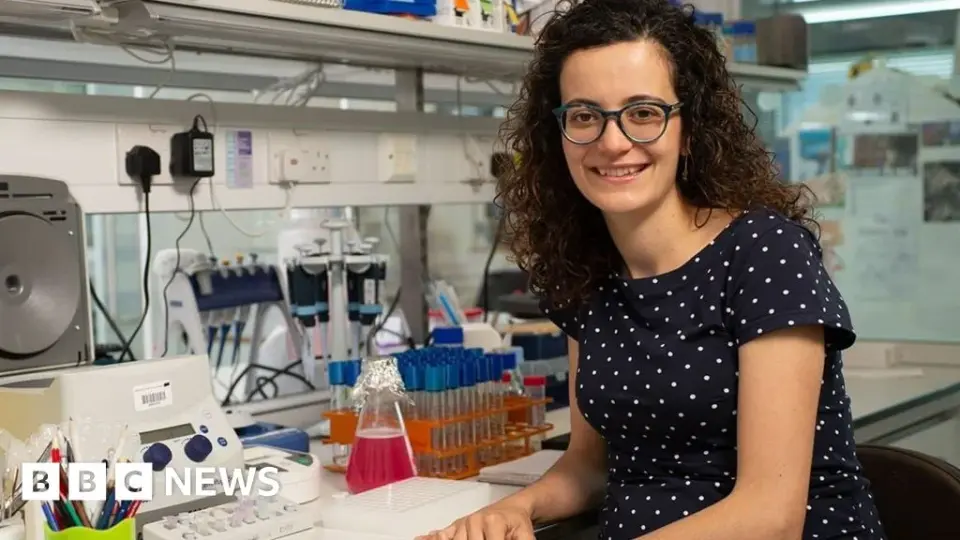
Dr. Marta Shahbazi, a leading cell biologist at Cambridge’s MRC Laboratory of Molecular Biology, died in the recent Spanish train crash while traveling to collect a scientific award. The incident, which killed 69 people near Urda, has prompted tributes from Cambridge institutions highlighting her contributions to embryology and her role as a model for balancing family and career.
Key points
- Dr. Marta Shahbazi, an affiliate associate professor at the MRC Laboratory of Molecular Biology (LMB) in Cambridge, died in the train collision near Urda, south of Madrid.
- She was traveling to El Rompido in Andalusia to receive an award from the Spanish Society for Developmental Biology for her work on early human development.
- The crash involved a moving Renfe high-speed train and a stationary Iryo train, killing 69 people and injuring over 100.
- Shahbazi, a mother of two, had joined the LMB in 2020 and was also a principal investigator at the Cambridge Stem Cell Institute.
- The LMB described her as an 'inspiring, talented and passionate scientist' whose research shed light on errors leading to failed pregnancies.
Background
The crash occurred in the province of Toledo, marking Spain’s worst rail disaster since 2013 and the second major rail tragedy in the country this year. Previous coverage noted that the incident has shifted political focus from housing to infrastructure safety ahead of a snap election on November 29. The death toll was revised to 69 by the Railway Accident Investigation Commission, down from an initial 74. King Felipe VI and Queen Letizia declared three days of national mourning. The crash has intensified debates over rail safety, with the government blaming a controller’s decision while unions cite understaffing and obsolete systems.
Why it matters
The death of a prominent scientist underscores the human cost of the rail safety crisis in Spain, linking a local academic loss to a national infrastructure failure. It highlights the ongoing political and public scrutiny of Spain’s rail network, which has faced two major collisions in 2026, and the broader implications for public trust in state-operated transport systems.
What to watch
Investigations into the root causes of the crash are underway, with a focus on controller decisions and systemic safety failures. The political fallout is expected to continue influencing the upcoming snap election, with opposition parties demanding accountability for infrastructure neglect. Tributes and memorial events for Dr. Shahbazi are anticipated within the Cambridge scientific community.
- Cambridge scientist dies in Spanish train crash BBC
- Why Does Spain Keep Having Deadly Rail Accidents? WSJ
- Sánchez Rethinks Reelection Plan After Spain’s Rail Disaster Bloomberg
- Traffic Control Errors Caused Spain’s Deadly Train Crash, Official Says The New York Times
- Did one person cause the Spain train crash? It shouldn’t be possible The Times
Want the full story? Read the original reporting
Read on BBC