
UAE urges diplomatic resolution as Gulf nations brace for potential Iran conflict
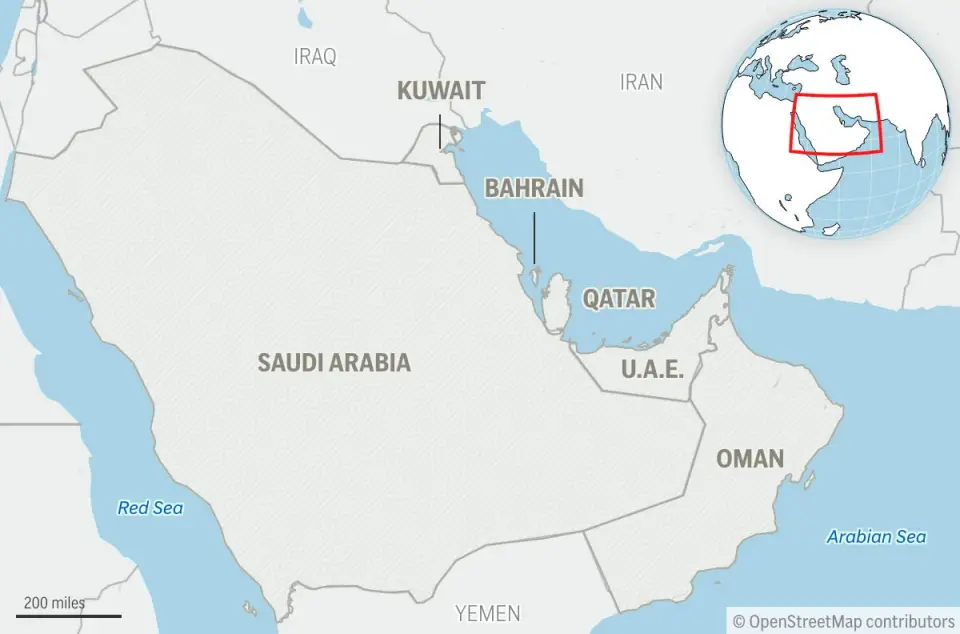
UAE presidential adviser Anwar Gargash expressed hope that Qatar-led mediations could prevent a new round of U.S.-Iran confrontation, though he acknowledged significant gaps in positions. At the Manama Dialogue, officials discussed the 2026 Iran war, which began in February with joint U.S.-Israeli strikes and subsequent Iranian attacks on Gulf states. While Iran’s foreign minister indicated readiness for diplomacy, no direct talks with the U.S. are currently occurring. Gargash criticized the lack of a coordinated defense response among Gulf Cooperation Council members during the recent conflict, noting that nations acted independently rather than collectively.
Key points
- UAE presidential adviser Anwar Gargash stated that the region hopes for a diplomatic breakthrough via Qatar-led mediations to avoid renewed U.S.-Iran confrontation.
- The 2026 Iran war began on Feb. 28 with joint U.S.-Israeli strikes, followed by Iranian attacks on Gulf nations, which Gargash described as a 'watershed year' for the region.
- Iranian Foreign Minister Abbas Araghchi confirmed that Iranian negotiators are in Qatar discussing a proposal to reopen the Strait of Hormuz, but no direct talks with the U.S. are taking place.
- Gargash criticized the Gulf Cooperation Council for failing to provide a coordinated defense response during the conflict, noting that each nation acted independently or bilaterally rather than collectively.
- Bahraini Foreign Minister Abdullatif bin Rashid Al Zayani welcomed efforts to reduce tensions but accused Iran of a continued pattern of attacks on regional stability, including threats to underwater data cables and Houthi strikes on Saudi Arabia.
Background
This briefing follows a series of stalled diplomatic efforts in late 2026. In October, Iran rejected a Qatari-mediated proposal for nuclear concessions and sanctions relief, leading to fears of a U.S. military offensive after the November 3 midterm elections. Recent days have seen further escalation, including Israeli strikes in Gaza and attacks on Qatari LNG vessels and tankers in the Strait of Hormuz, heightening regional instability.
Why it matters
The outcome of these mediations will determine whether the region faces a second, potentially more destructive round of conflict. The lack of a unified Gulf defense strategy and the ongoing threats to critical infrastructure, such as oil facilities and data cables, underscore the fragility of the current ceasefire and the high stakes of diplomatic failure.
What to watch
The next 72 hours are critical as Iranian negotiators in Qatar await U.S. responses to their questions. If diplomacy fails, the U.S. and Israel may launch a massive military offensive targeting Iranian leadership, energy, and nuclear targets, potentially triggering a wider regional war.
Want the full story? Read the original reporting
Read on AP News