science-and-archaeology7 min read
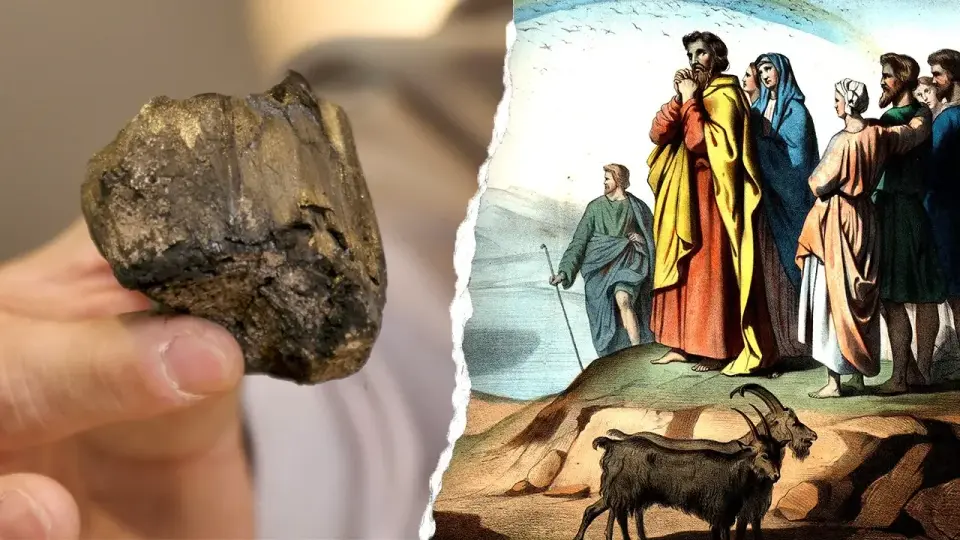
Turkish researchers recover charred wood from Durupınar site, but carbon dating remains pending
13 days ago•Source: Fox News
View original source
The latest science and archaeology stories, each synthesized from multiple sources with added background and context.
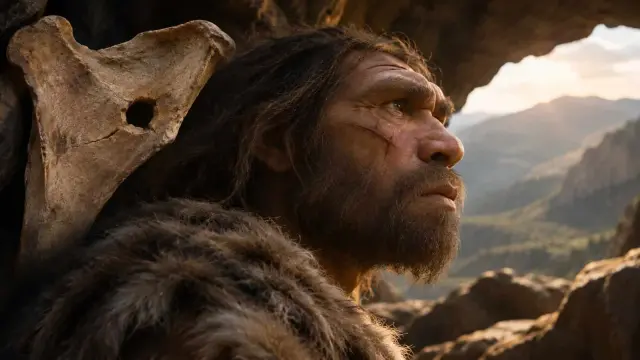
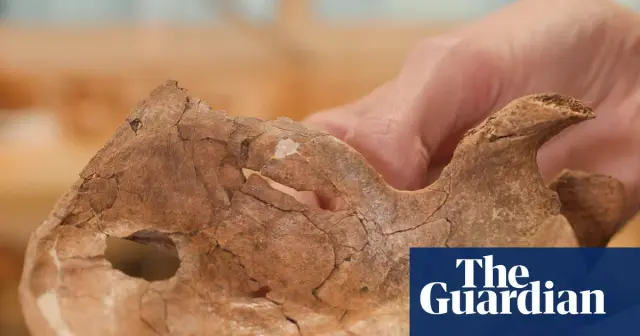
A 75,000-year-old Neanderthal skeleton from Shanidar Cave in Iraqi Kurdistan, identified as Shanidar A, shows a 15-millimeter hole in the left shoulder blade consistent with a fatal wooden spear wound. The individual also survived a severe facial injury that split a tooth, suggesting long-term community support. The remains were found in a deliberate burial cluster, indicating complex mortuary practices.
Ancient Origins•3 months ago
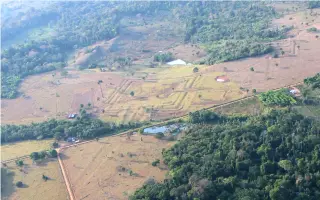
A new study published in Nature reveals that lidar surveys of the Amazon rainforest in western Brazil have identified nearly 400 previously unknown earthworks, known as geoglyphs. These structures, built by the Aquiry civilization between 600 B.C. and A.D. 850, suggest a population of 1.25 to 3 million people. The discovery challenges the notion that the Amazon was a pristine, uninhabited wilderness and indicates that precolonial populations may have been significantly larger than previously estimated.
Researchers analyzing cave-wall samples from Altamira, Escoural, and Covarrón found ancient human DNA preserved on pigment crusts and even unpigmented areas. Of 54 samples, five yielded authentic mitochondrial DNA (three women, one man, one unidentified), with some nuclear DNA linking individuals to Western Hunter-Gatherers. Preservation was rare (1 of 24 panels), suggesting cave walls can archive genetic traces of prehistoric visitors and offering a new, noninvasive way to study who touched the walls and how far Ice Age people ventured.
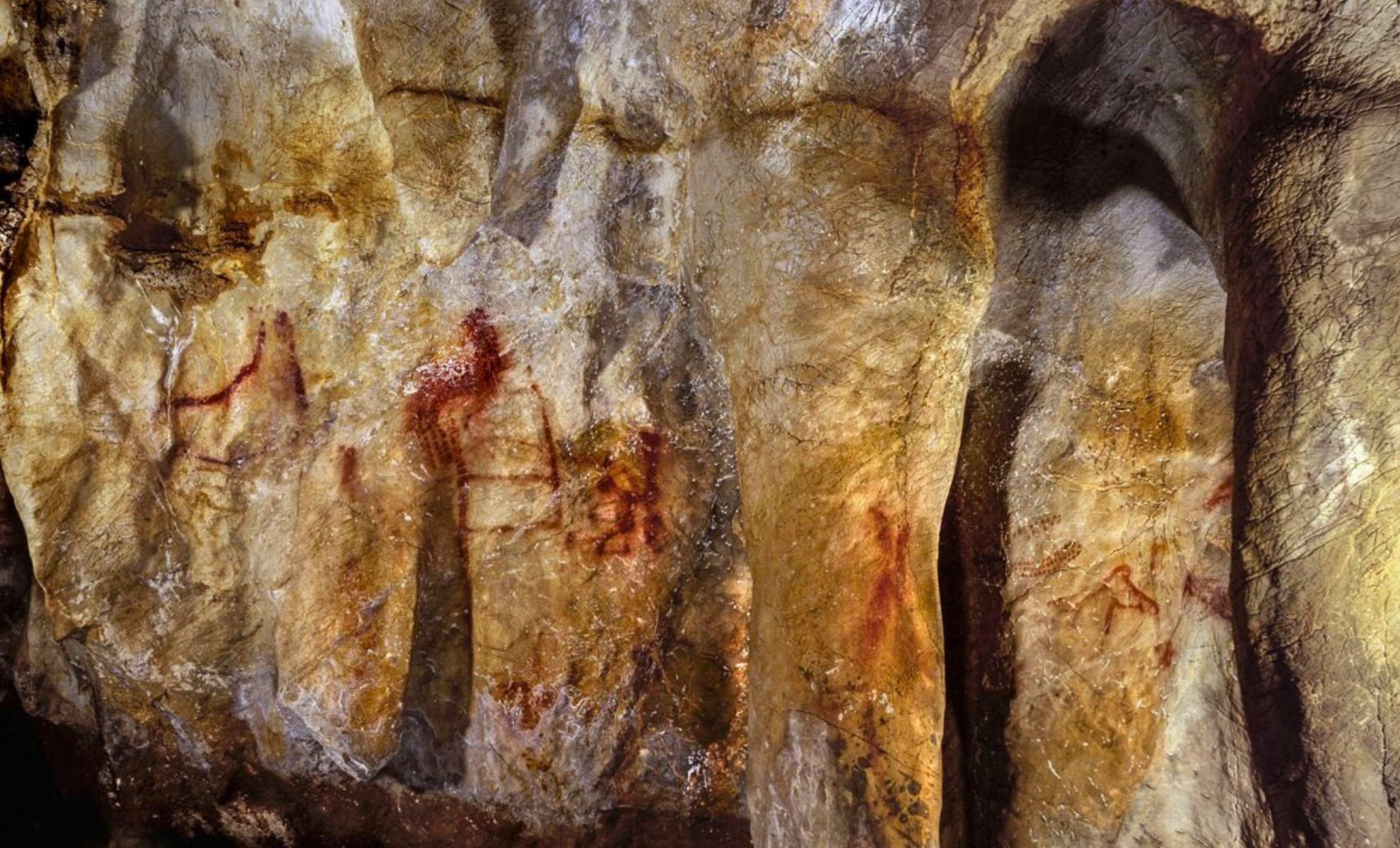
A groundbreaking discovery in Maltravieso Cave, Spain, reveals that Neanderthals, not Homo sapiens, may have been the first artists, with hand stencils dated to at least 66,710 years ago. Using uranium-thorium dating, researchers found these artworks to be far older than previously known examples, suggesting Neanderthals had advanced cognitive abilities. This challenges the perception of Neanderthals as unsophisticated and raises the possibility of cultural transmission to early modern humans, highlighting art as a shared heritage between species.
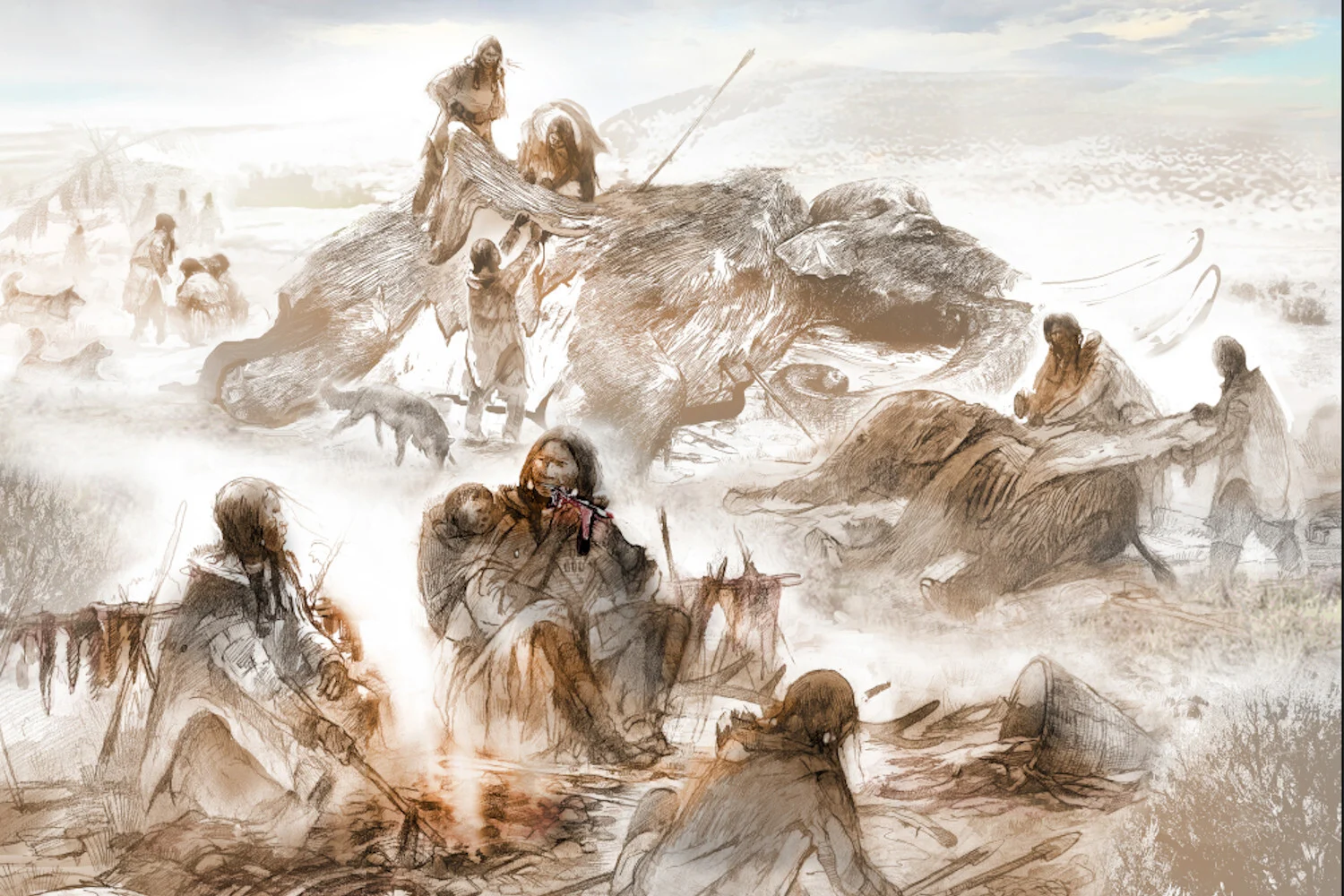
A study led by researchers from McMaster University and the University of Alaska Fairbanks provides direct evidence that Clovis people, early inhabitants of North America, primarily consumed large animals like mammoths. Isotopic analysis of a Clovis infant's remains revealed that 40% of the diet came from mammoths, supporting the theory that these prehistoric humans were big-game hunters. This dietary preference may have contributed to the rapid spread of Clovis people across the continent and possibly played a role in the extinction of large mammals at the end of the last Ice Age.
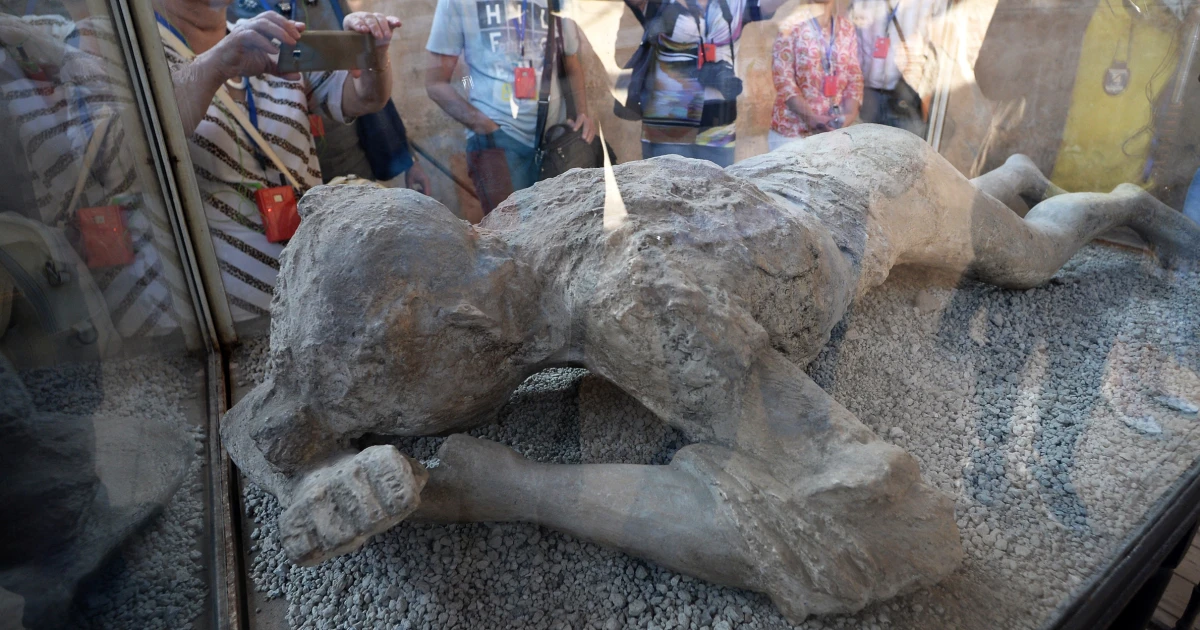
New DNA analysis of skeletal remains from Pompeii has challenged long-held assumptions about the victims of Mount Vesuvius's eruption in A.D. 79. The study, published in Current Biology, reveals that traditional interpretations of gender and family relationships among the victims were incorrect, with some individuals previously thought to be women actually being men. The research highlights the dangers of projecting modern gender norms onto ancient societies and underscores the diverse ancestry of Pompeii's residents, primarily tracing back to eastern Mediterranean immigrants. This discovery adds to the ongoing revelations about the ancient Roman city and its multicultural nature.
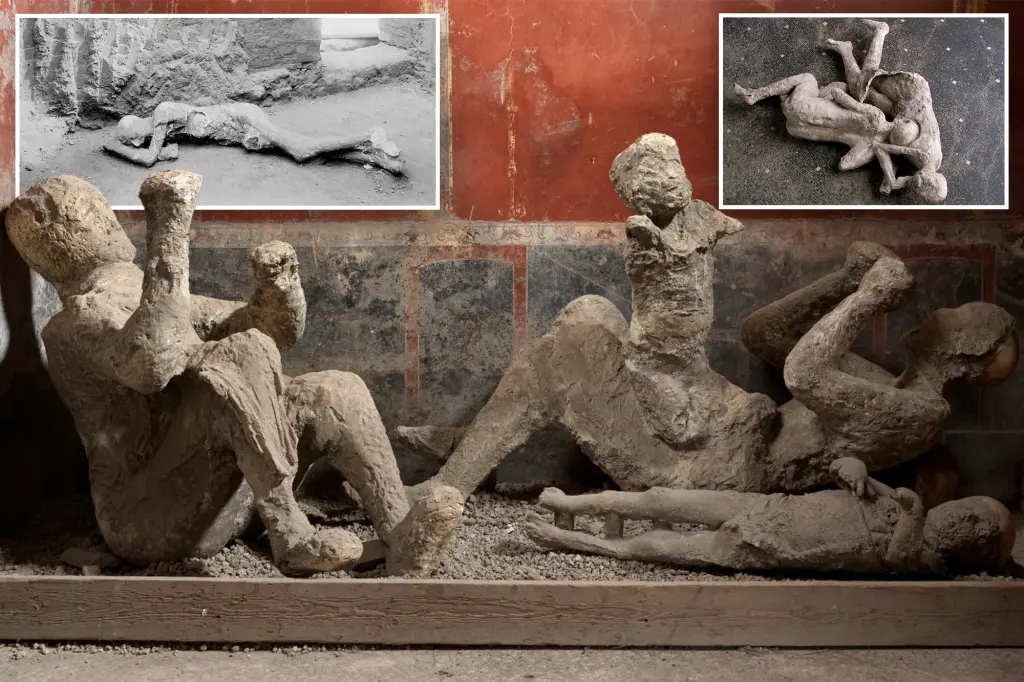
A new study using DNA evidence has debunked many long-held narratives about the victims of Pompeii's volcanic eruption in 79 AD. Researchers found that presumed familial relationships among the victims were incorrect, with DNA revealing that individuals thought to be related were not. The study also highlighted the genetic diversity of Pompeii's residents, indicating migration from regions like the eastern Mediterranean, including Turkey, North Africa, and Lebanon. This challenges previous assumptions about the social and familial structures of Pompeii's inhabitants.
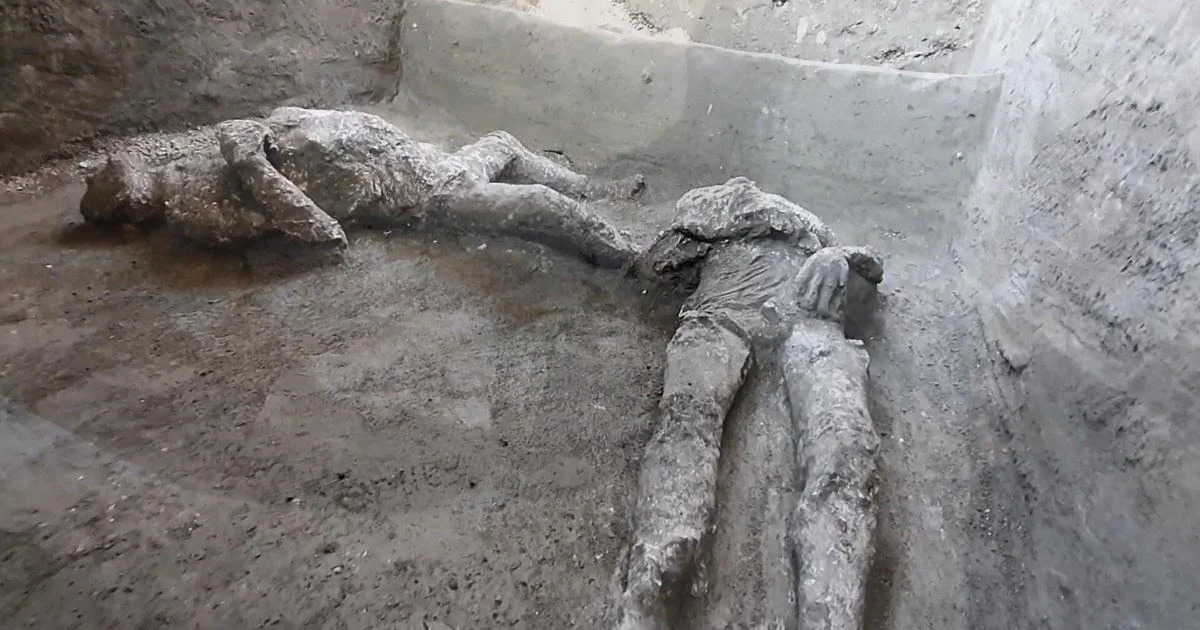
New DNA evidence from Pompeii challenges previous assumptions about the identities and relationships of victims of the 79 A.D. Vesuvius eruption. Researchers found that individuals thought to be related were not, and some presumed women were actually men. The study highlights the diverse backgrounds of Pompeii's citizens, primarily descended from eastern Mediterranean immigrants, and underscores the potential of ancient DNA to provide insights into historical populations.
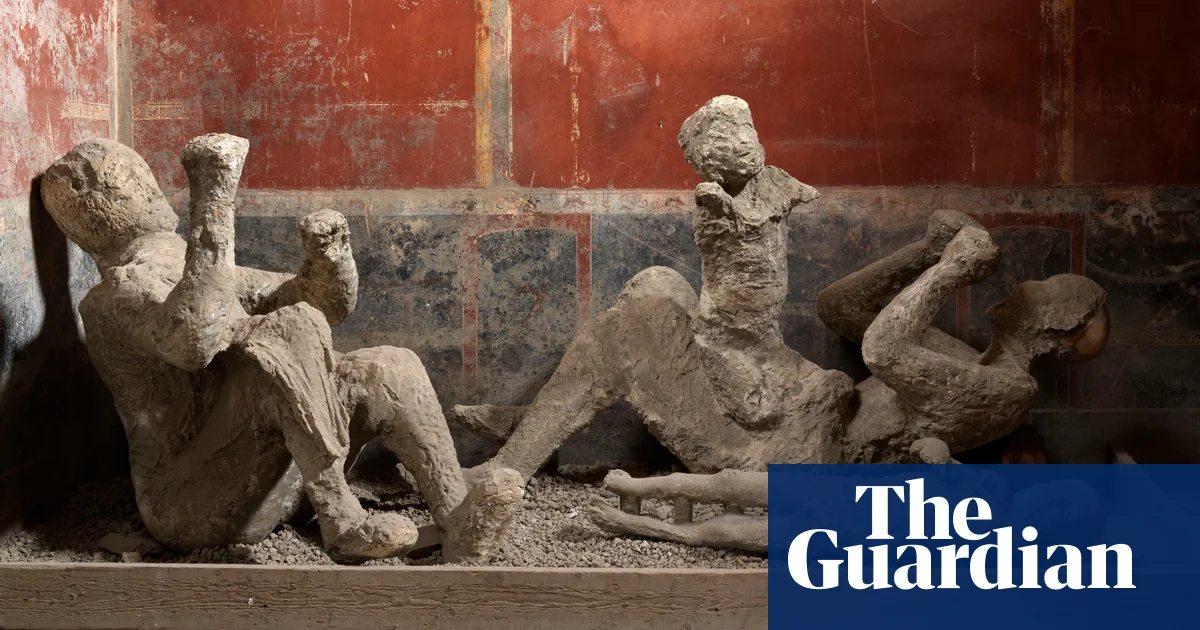
Recent DNA analysis of victims from Pompeii challenges long-held assumptions about their identities and relationships. The study reveals that a supposed mother in a famous cast was actually a man, unrelated to the children, and suggests diverse origins for the victims, indicating significant human mobility in the Roman period. This research highlights the potential for scientific analysis to reshape historical narratives and offers insights into the diverse backgrounds of Pompeii's inhabitants.

A new DNA analysis of victims from the 79 CE eruption of Mount Vesuvius in Pompeii challenges long-held assumptions about their identities and relationships. The study reveals that individuals previously thought to be related, such as a mother and child or sisters, were not genetically related, and some were misidentified in terms of gender. This suggests a more complex social structure in Pompeii and highlights the genetic diversity of its inhabitants, who were mainly descended from recent immigrants from the eastern Mediterranean and Near East. The findings urge caution against imposing modern biases on ancient contexts.
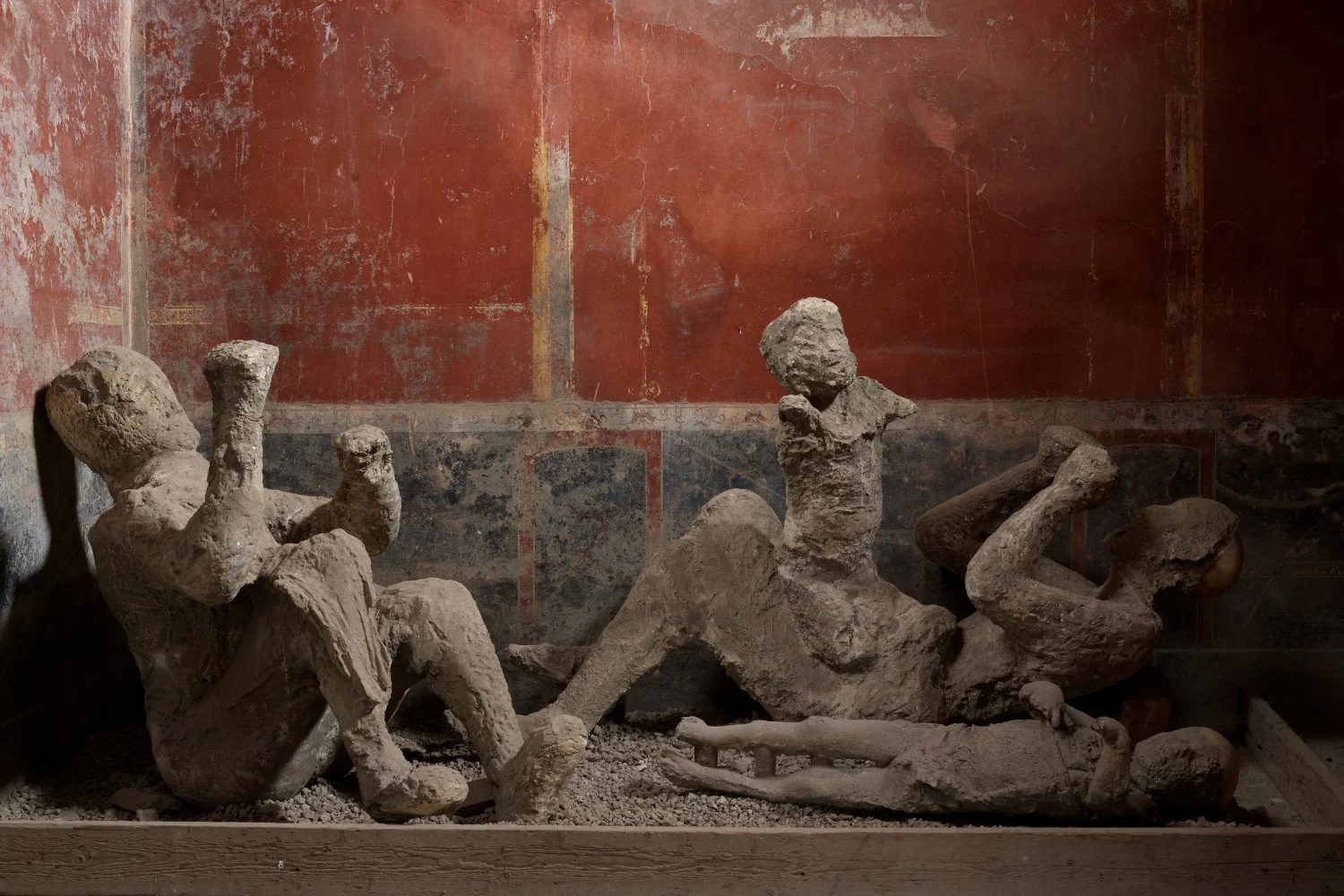
Recent DNA analysis of Pompeii victims has revealed surprising insights into the demographics and relationships of the ancient city's residents, challenging previous assumptions. The study found significant genetic diversity, with influences from the Eastern Mediterranean, highlighting Pompeii's cosmopolitan nature. Some individuals were misidentified in terms of sex and familial relationships, illustrating the unreliability of past narratives based on limited evidence. This research underscores the potential of ancient DNA analysis to provide a more nuanced understanding of historical populations.