
Skeleton with 160 Fractures Identified as First Confirmed Trebuchet Casualty
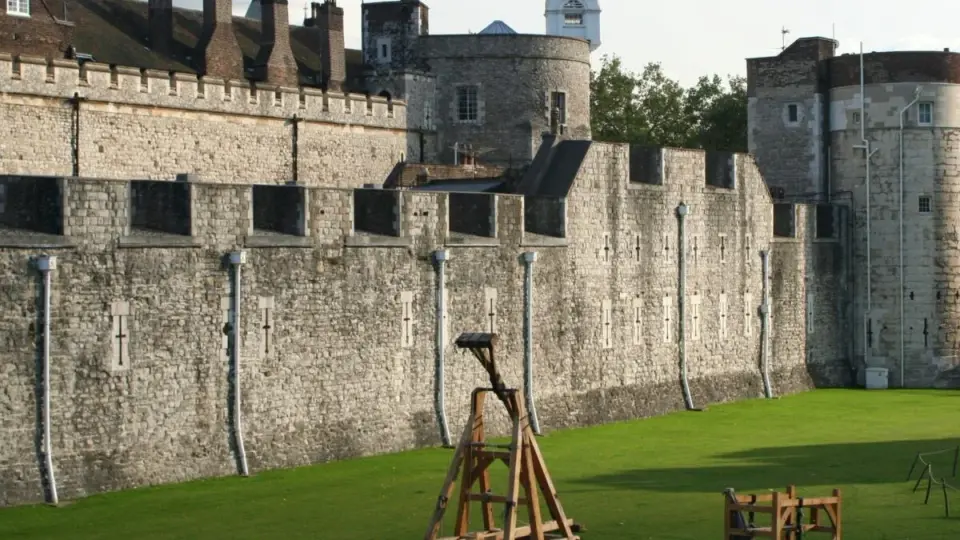
A 14th-century skeleton found beneath Stirling Castle in Scotland exhibits over 160 bone fractures consistent with a single, high-velocity impact. Researchers identify this as the first archaeological evidence of death by trebuchet, likely caused during King Edward I's 1304 siege.
Key points
- Skeleton 150, a male aged 22-34, was excavated from Stirling Castle's chapel in 1997 but recently analyzed using micro-CT and X-ray imaging.
- The skeleton displays 61 skull fractures and approximately 60 rib fractures, all occurring at the time of death (peri-mortem).
- University of Bradford bioarchaeologist Jo Buckberry presented these findings at the Paleopathology Association meeting in Berlin in August 2026.
- The injury pattern suggests a projectile struck the right shoulder and back of the head, pinning the victim to the ground with immense force.
- The trauma is attributed to the 1304 siege of Stirling Castle, where King Edward I deployed at least 13 siege engines, including the massive 'War Wolf' trebuchet.
Background
Stirling Castle was the final stronghold of Scottish independence during the early 1300s. Edward I besieged it in 1304 with a massive array of siege engines. While the 'War Wolf' was the largest trebuchet ever built, it was used only on the final day of the siege. The skeleton was found among nine other bodies, some of whom died of combat injuries, but Skeleton 150's injuries were distinct from typical battlefield wounds.
How outlets are covering it
Gizmodo and Smithsonian Magazine emphasize the novelty of the find, noting that Buckberry's research marks the first confirmed instance of trebuchet trauma in the archaeological record. Ars Technica provides a detailed forensic analysis, comparing the injury pattern to modern car crashes or train strikes, and calculates the projectile's speed at 200-300 km/h. Live Science highlights the potential connection to the 'War Wolf,' though Buckberry notes it is unlikely the victim was killed by that specific machine due to the timing of its use. All sources agree that the lack of comparable forensic cases limits definitive proof, but independent expert Lukas Waltenberger found the evidence convincing.
Why it matters
This discovery provides the first physical evidence of the lethality of medieval siege engines against human targets, offering a new perspective on the brutality of 14th-century warfare. It confirms that trebuchets, designed to breach walls, could cause catastrophic blunt-force trauma to individuals, bridging the gap between historical accounts and archaeological reality.
What to watch
Buckberry has not yet published her findings in a peer-reviewed journal. She hopes future research will focus on similar cases of blunt-force trauma in medieval contexts to build a more comprehensive understanding of siege warfare casualties. Further analysis may determine if the victim was specifically killed by the 'War Wolf' or one of the other 13 engines used during the three-month siege.
- This Medieval Skeleton Had 160 Broken Bones, and Scientists Just Figured Out What Hit Him Gizmodo
- Meet the only known trebuchet casualty in history Ars Technica
- Skeleton with 167 fractures discovered at Scottish castle may have been first victim of Edward I's 'War Wolf' trebuchet Live Science
- A Medieval Man's Injuries Reminded One Archaeologist of Modern-Day Car Crash Victims. They Turned Out to Be the Work of an English Trebuchet Smithsonian Magazine
- Shoutout to this particular skeleton, who researchers believe is the first confirmed case of being totally... Yahoo
Want the full story? Read the original reporting
Read on Gizmodo