Bones and Brushstrokes Push Pre-Columbian Syphilis Into Medieval Europe
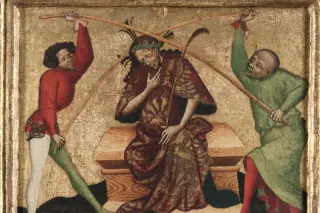
Scholarly evidence from skeletal remains, dental anomalies, medieval art, and manuscripts indicates that the syphilis-causing bacterium Treponema pallidum existed in Europe before Columbus’s voyages. Findings include a sixth‑century skeleton in West Sussex with treponemal damage, a 13th‑century Anatolian specimen, and a 15th‑century painting showing saddle‑nose deformity associated with syphilis. Writers argue that, while bejel and yaws complicate diagnosis, the combined bones, art, and texts support pre‑Columbian presence of venereal syphilis in Europe, challenging the traditional Columbian Exchange narrative and suggesting complex historical patterns of disease that affected elites and commoners alike.