
Indonesian RetiCulated Python 'Ibu Baron' Sets New Wild Length Record at 7.22 Meters
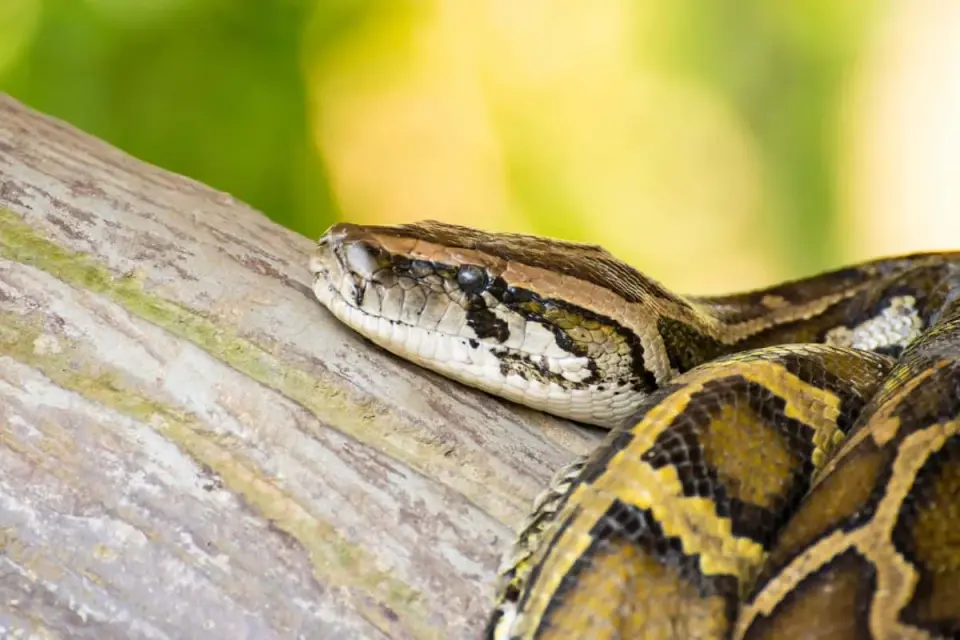
A female reticulated python named 'Ibu Baron' has been officially measured at 7.22 meters (23 feet 8 inches) in Indonesia's Maros region, setting a new record for the longest wild snake ever authenticated. Weighing 96.5 kilograms, the snake was rescued by conservationist Budi Purwanto and documented by experts who noted her true length could reach 7.9 meters if fully relaxed. The discovery highlights ongoing human-wildlife conflicts in Sulawesi, where shrinking habitats and poaching force pythons into closer contact with humans, prompting calls for stronger legal protections and habitat preservation.
Key points
- Ibu Baron, a female reticulated python found in Sulawesi, Indonesia, was formally measured at 7.22 meters, surpassing the previous wild record of 6.95 meters set in 1999.
- The snake weighs 96.5 kilograms, comparable to a giant panda, and experts estimate her fully relaxed length could approach 7.9 meters, though this was not tested to avoid ethical risks.
- Conservationist Budi Purwanto rescued the snake from local handlers, while wildlife guide Diaz Nugraha and photographer Radu Frentiu documented her size and weight using rice sack scales.
- Experts attribute increased sightings of giant pythons to habitat loss and declining prey populations, leading to more frequent conflicts with humans who often kill large snakes on sight.
- The discovery aims to shift public perception of pythons from vermin to essential ecosystem members, potentially boosting wildlife tourism and driving stricter conservation laws in Indonesia.
Background
This record-breaking find follows a series of recent snake-related incidents in the United States, including an 8-foot Burmese python discovered under a New Jersey shed in August 2026 and a cottonmouth found inside a football helmet in Arkansas. These events underscore the broader global challenges of human-wildlife coexistence and the need for proper exotic pet regulations and wildlife management. Historically, the longest wild reticulated python record was held by a female found in Borneo in 1999, which had consumed a sun bear. Captive pythons, such as Medusa in Missouri, have previously exceeded 7.6 meters, but Ibu Baron's wild status makes her measurement particularly significant for conservation science.
Why it matters
The discovery of Ibu Baron underscores the urgent need for conservation efforts in Indonesia, where habitat destruction and poaching are driving giant pythons into human-populated areas. By documenting such a large specimen, scientists can better understand the species' potential size and ecological role, while advocates push for stricter laws to protect these animals and reduce human-snake conflicts. The story also highlights the importance of ethical wildlife handling and the potential for wildlife tourism to support local economies and foster public appreciation for large predators.
What to watch
Conservationists hope the publicity surrounding Ibu Baron will lead to improved legal protections for pythons in Indonesia, including stricter enforcement against poaching and habitat destruction. Experts like Diaz Nugraha believe that even larger specimens, potentially up to 9 meters, may exist in Indonesia or the Amazon Basin. The rescue team aims to use this moment to promote pythons as symbols of the islands rather than pests, encouraging local communities to view them as valuable ecosystem components and potential tourism attractions.
Want the full story? Read the original reporting
Read on A-Z Animals