
First-Century Fishing Vessel in Galilee Offers Archaeological Context for Biblical Storm Narrative
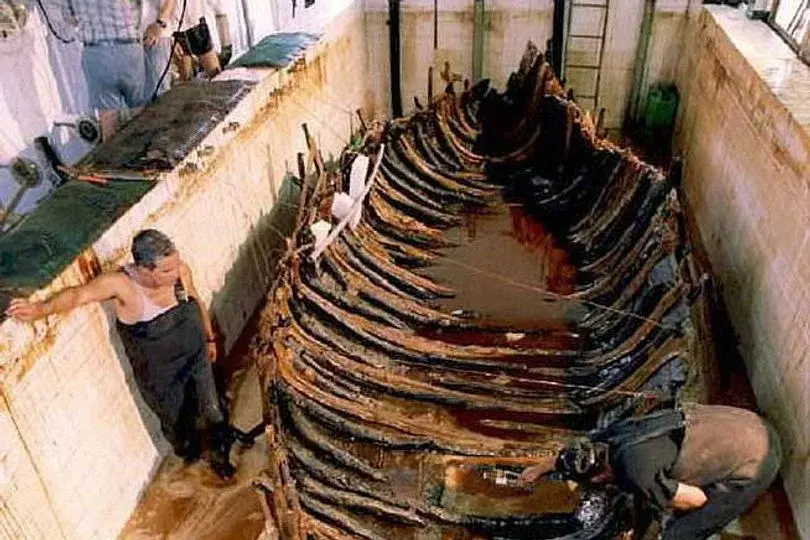
A 2,000-year-old wooden fishing boat discovered in the Sea of Galilee in 1986 has been highlighted as significant archaeological evidence linking to the era of Jesus. Carbon dating places the vessel in the first century, and its location near Ginosar corresponds to the biblical site of Gennesaret. While the boat does not prove Jesus used it, experts note it matches the type described in Gospel accounts of calming the storm.
Key points
- The vessel, known as the 'Jesus Boat,' was uncovered in 1986 near Magdala after a drought lowered water levels, exposing iron nails and timber.
- Carbon dating confirms the cedar-planked, flat-bottomed boat dates to the first century, the lifetime of Jesus.
- The boat’s size accommodates about 12 people, and repairs with cheaper wood suggest it belonged to impoverished fishermen, similar to Jesus' disciples.
- An oil lamp and cooking pot found in the same silt layer indicate the boat was used for night fishing, aligning with Gospel narratives of night journeys.
- The discovery site, Ginosar, is identified by experts as the ancient location of Gennesaret, where the Bible records the disciples landing after the storm.
- The boat has been on display at the Yigal Allon Museum in Ginosar since 2000, attracting Christian pilgrims.
Background
This story revisits a major archaeological find from 1986 rather than reporting a new discovery. The vessel was excavated by Moshe and Yuval Lufan of Kibbutz Ginosar and has been preserved through a 16-year conservation process involving the replacement of mud with a transparent chemical compound. Recent coverage by The Mirror and other outlets emphasizes the boat's significance as a tangible link to the historical context of the New Testament, specifically the accounts in Matthew, Mark, and John regarding Jesus calming the storm.
Why it matters
The 'Jesus Boat' provides rare physical evidence of the type of vessel used by fishermen in first-century Galilee, offering a tangible connection to the historical setting of the Gospels. While it does not confirm the specific miracle of Jesus walking on water, it validates the archaeological and geographical details surrounding the biblical narrative, reinforcing the historical plausibility of the events described in Christian texts.
What to watch
The vessel remains on public display at the Yigal Allon Museum in Ginosar. Ongoing research in biblical archaeology continues to utilize advanced carbon dating and preservation techniques to analyze artifacts from the first century, potentially uncovering further connections between historical records and biblical accounts.
Want the full story? Read the original reporting
Read on AOL.com