
science-and-tech18.52 min read
Tech giants and US agencies pool $1.8B to build a digital twin of the human cell
2 days ago•Source: The Verge

The latest science and tech stories, each synthesized from multiple sources with added background and context.
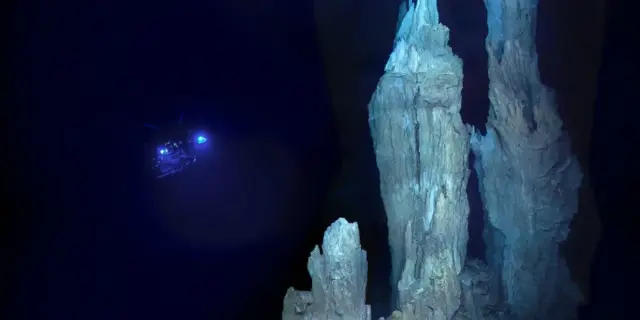
A unique hydrothermal field in the Atlantic, known as the 'Lost City,' features towering carbonate structures and supports life without sunlight. Discovered in 2000, it is the longest-lived venting environment on Earth. While it offers insights into potential life on other planets, it faces threats from deep-sea mining rights granted to Poland in 2018. Conservationists are calling for World Heritage status to protect the site.
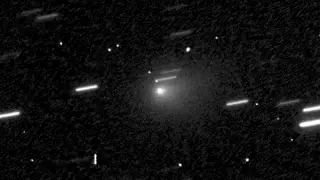
New observations of interstellar comet 3I/ATLAS from JWST and other telescopes confirm its interstellar origin and reveal chemical fingerprints—a red, cosmic-ray–processed surface; unusually high deuterium abundance and a carbon-12 to carbon-13 ratio far lower than Solar System values—that point to formation in a cold, primitive environment long before our Solar System, making 3I/ATLAS billions of years older than the Sun; its orbit alone cannot determine its age.
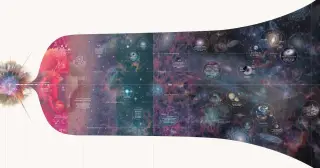
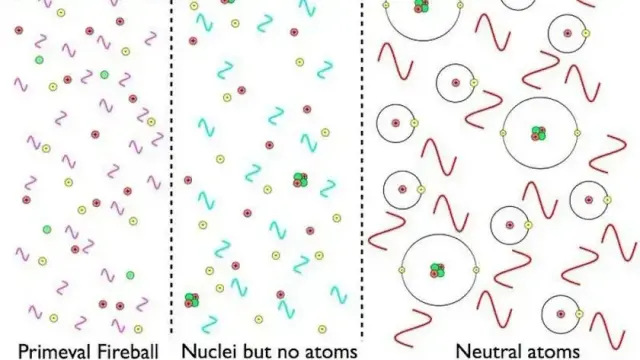
An illustrated poster distills 13.8 billion years of cosmic history—from the end of inflation and the hot Big Bang to the formation of atoms, first stars, and the cosmic web, through to the Milky Way, dark energy, and humanity’s Moon landing—into a single image that communicates the sequence of eras and scales of the Universe.
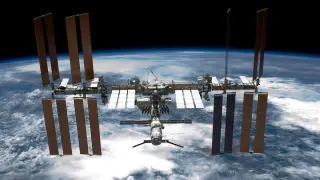
NASA ordered the ISS Crew-12 team to shelter inside the docked Crew Dragon after Russian repairs uncovered air leaks in the Zvezda module, with leaks rising to about two pounds of air per day; after about 90 minutes, NASA said the crew should end the safe‑haven status and return to planned ISS operations as Roscosmos continued repairs. The episode underscores ongoing discussions between NASA and Roscosmos about the leaks’ cause, and, despite this temporary safety drill, the ISS has not evacuated in its 27-year history. Crew-12 comprises NASA astronauts Jack Hathaway and Jessica Meir, ESA astronaut Sophie Adenot, Russian cosmonaut Andrey Fedyaev, and NASA astronaut Chris Williams.
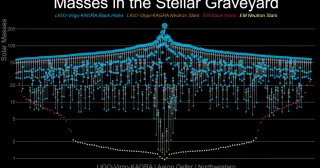
Gravitational wave astronomy has matured from a rare detection to a fully developed science: by mid-2026 there are 390 confirmed events across four detectors (LIGO, Virgo, KAGRA), boosted by upgrades and the addition of LIGO India (beginning around 2030) with space-based prospects like LISA on the horizon. The growing catalog enables population studies of stellar-mass black holes and neutron stars, improved sky localization, and stringent tests of general relativity, signaling a collaborative, high-impact future for gravitational wave science.
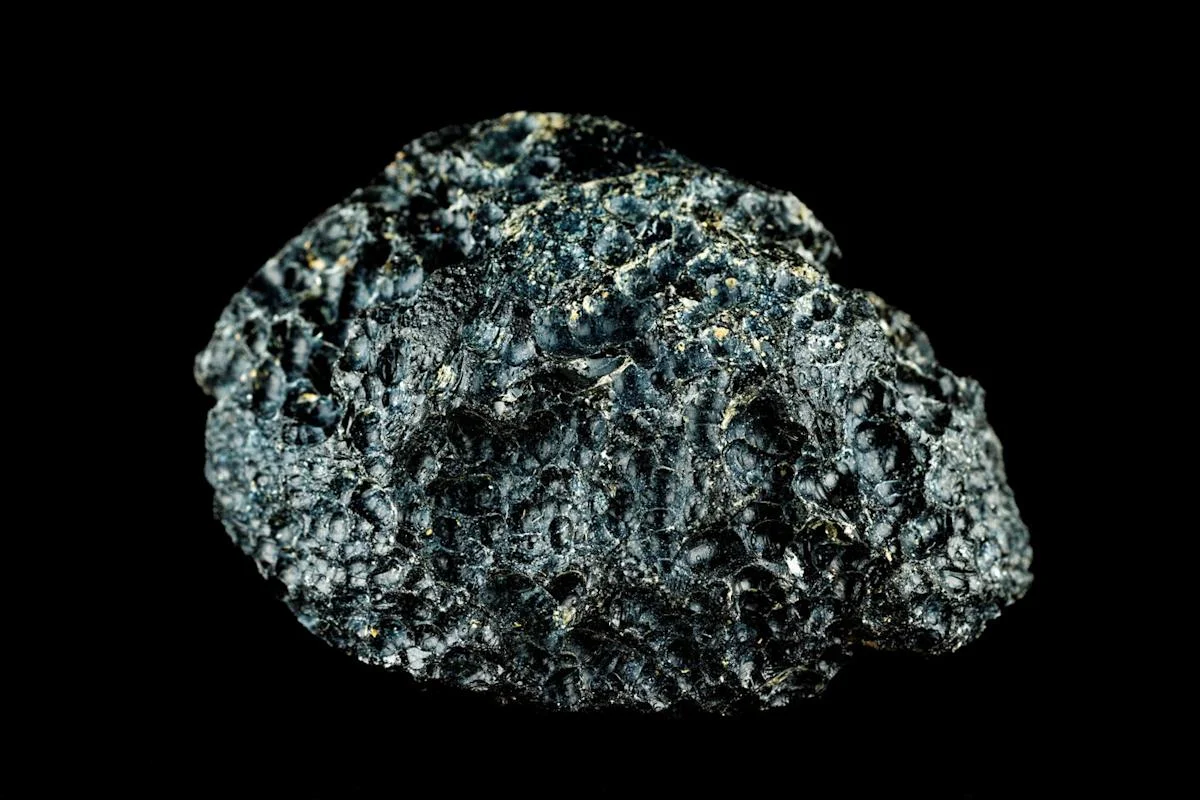
An international team reports a 900-kilometer tektite strewn field in Minas Gerais, Brazil, dating to as much as 6.3 million years ago, evidence of a large meteorite impact, but the crater has not yet been found; researchers hope magnetic and gravimetric studies will reveal its ring-shaped footprint near the field.

Northwestern University researchers report that levetiracetam, a long-used anti-seizure drug, may prevent Alzheimer’s by blocking the production of amyloid-beta 42, the protein linked to plaques, with results seen in animal models and cultured human neurons (and post-mortem Down syndrome brain tissue). If taken decades before symptoms, it could theoretically slow or prevent disease, though there are no human trials yet and the evidence is observational; researchers caution that the drug would need to start very early and are pursuing longer-lasting formulations and trials, including in genetic forms of Alzheimer’s.

Scientists found that California’s Mendocino Triple Junction, a hotspot where three tectonic plates meet, actually comprises five moving plates (including two hidden ones). Using a network of seismometers, researchers revealed under-surface configurations and a shallower subduction zone, suggesting the area’s quake risk may be higher than previously thought and could trigger magnitude-8 earthquakes, with implications for millions in the region and offering context for past events like the 1992 Humboldt County quake.