
Ancient DNA maps three waves of Indigenous American arrival and a ghost lineage
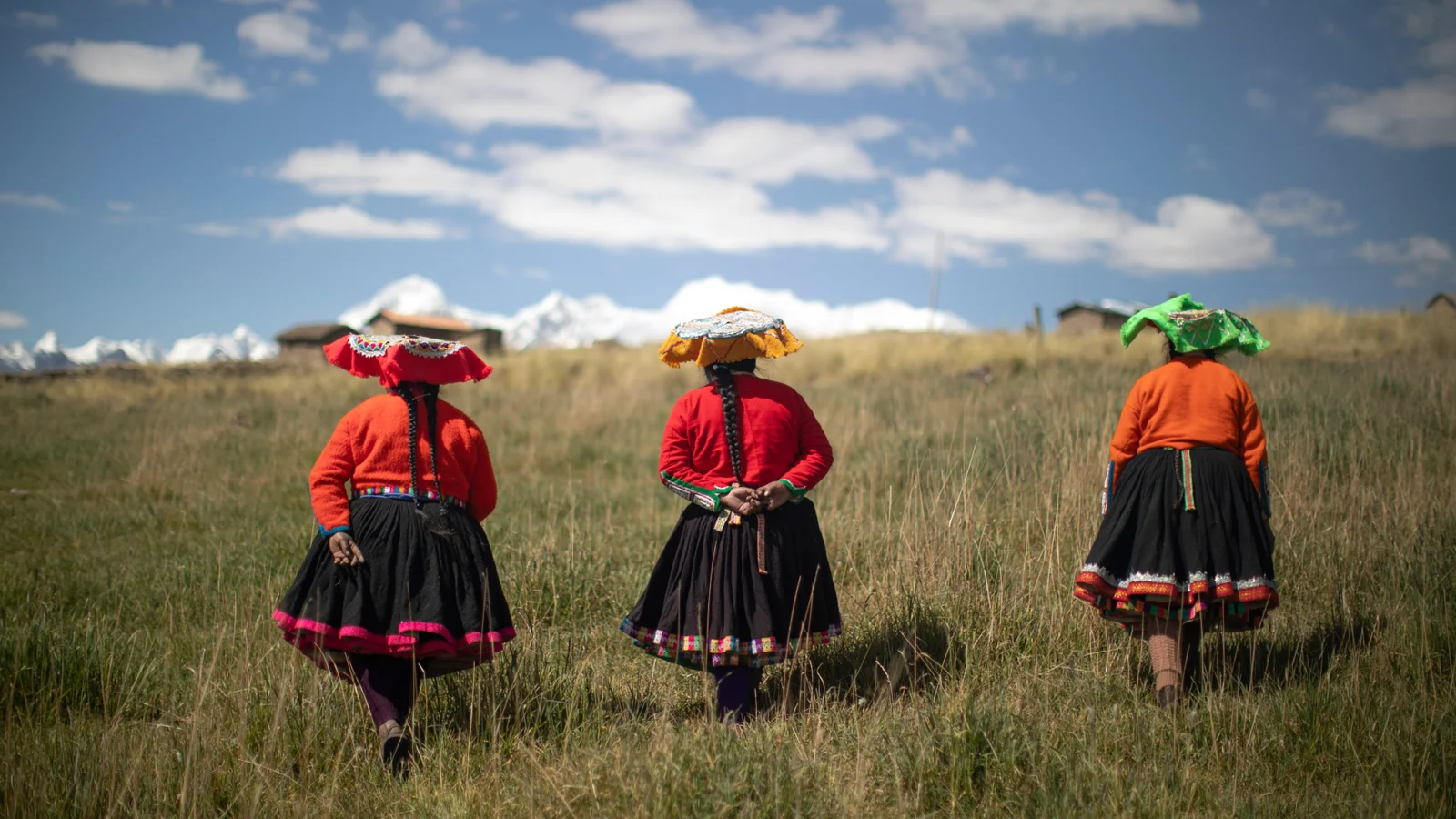
An international analysis of 128 Indigenous American genomes from across the Americas reveals three migration waves into South America: the earliest over 9,000 years ago, a second lineage around that period, and a previously unrecognized dispersal at least 1,300 years ago linked to Mesoamerica. Researchers also identify a faint Asian “ghost lineage” called Ypykuéra that contributed genes to Indigenous Americans and early Australasians, indicating a more complex peopling of the continents. Indigenous genomes are less diverse than those of other continents but harbor adaptive genes related to immune function, metabolism, and fertility, underscoring environmental pressures and the importance of including Indigenous communities in genomic studies.
- DNA study of nearly 200 Indigenous genomes reveals unknown Asian 'ghost' population contributed to American ancestry Live Science
- The evolutionary history and unique genetic diversity of Indigenous Americans Nature
- From the Pampas to Patagonia, DNA reveals South America's human history Phys.org
- South America Was The Last Continent To Be Settled By Humans, And The Early Colonizers Had Links To Australasia IFLScience
- DNA Study Reveals 6,000 Years of Human Migration in South America ColombiaOne.com
Reading Insights
1
62
96 min
vs 97 min read
99%
19,240 → 105 words
Want the full story? Read the original article
Read on Live Science