
Why Saudi Arabia Ships Sand from Australia Despite Sitting on the World's Largest Desert
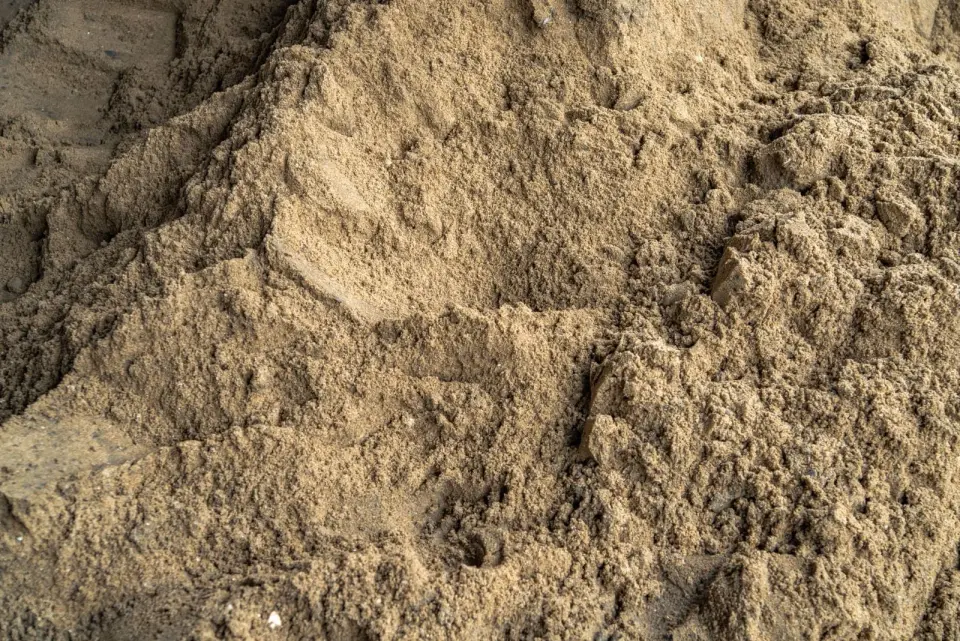
Saudi Arabia imports construction sand from Australia and Scotland because the wind-polished grains in its massive Empty Quarter are too smooth to bind effectively in concrete. While the country sits on 650,000 square kilometers of dunes, these aeolian sands lack the angularity required for structural integrity, forcing reliance on jagged river or quarry sand. This paradox highlights a global 'sand gap' where demand for construction aggregate is outpacing natural replenishment, driving international trade for specific grain geometries.
Key points
- Wind erosion over thousands of years polishes desert sand into smooth, spherical grains that act like ball bearings in concrete, failing to interlock with cement paste.
- In 2023, Saudi Arabia imported approximately $138,600 worth of Australian construction sand, a small but significant trade line for a nation with vast domestic sand reserves.
- The Empty Quarter covers roughly 650,000 square kilometers, yet its dunes are unsuitable for modern construction due to low angularity and high chloride content which corrodes steel reinforcement.
- Global construction sand demand is projected to rise by 45% by 2060, creating a shortage that forces reliance on imported river and quarry sand rather than local desert deposits.
- Alternative solutions, such as 'Sandcrete' made from desert sand and wood lignin, exist but are limited to non-structural applications like pavement bricks and have not displaced bulk imports.
Background
This issue reflects broader global resource constraints, similar to how Antarctica’s ice stores freshwater despite being a desert by precipitation, or how Bolivia’s salt flats serve as scientific mirrors despite their harsh environment. The current sand import strategy is a specific response to geological limitations, distinct from previous coverage of Mars’s atmospheric loss or Russia’s fuel supply adjustments, focusing instead on the physical properties of solid materials in construction.
Why it matters
The inability to use local desert sand for construction underscores a critical vulnerability in global infrastructure supply chains. As major megaprojects in the Gulf, such as NEOM and The Line, require massive volumes of high-quality aggregate, the reliance on distant sources like Australia and Scotland exposes the industry to logistical and economic risks. This situation also highlights the environmental cost of sand mining elsewhere, where riverbed extraction causes ecological damage, linking local construction needs to global environmental degradation.
What to watch
Researchers continue to develop workarounds like Sandcrete, but these remain niche for non-structural uses. The primary solution remains the import of angular sand from riverbeds and quarries. As global demand for construction sand rises, pressure on inland reserves, including those in North America, is expected to increase, potentially leading to further ecological impacts and supply chain tensions in the coming decade.
Want the full story? Read the original reporting
Read on Space Daily