Tag

Construction Materials

All articles tagged with #construction materials

Rice Husks: From Agricultural Waste to Fire-Resistant US Home Siding
sustainability1 month ago

Rice Husks: From Agricultural Waste to Fire-Resistant US Home Siding

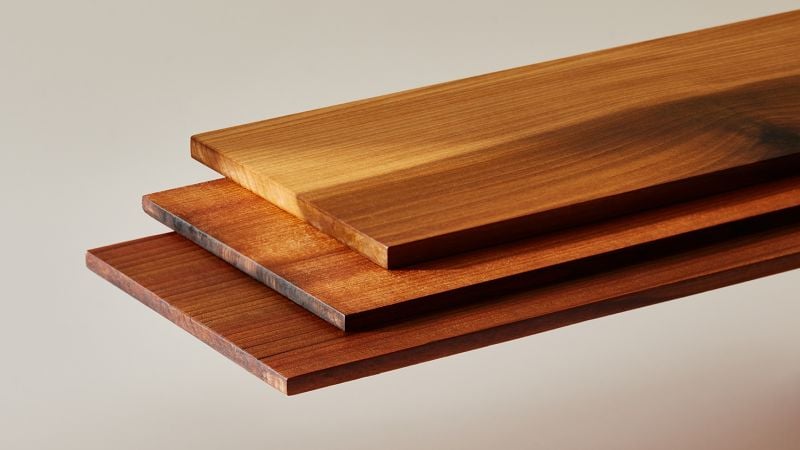
Rice husks, previously treated as stubborn agricultural waste, are now being repurposed as durable, fire-resistant construction materials in the US. Companies like Modern Mill are manufacturing panels that offer superior moisture and fire resistance compared to traditional wood, helping divert millions of kilograms of waste from landfills while reducing environmental pollution.
Curiosity’s discovery of pure sulfur unlocks viable Martian concrete
science-and-technology1 month ago

Curiosity’s discovery of pure sulfur unlocks viable Martian concrete

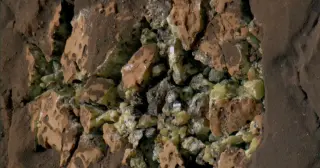
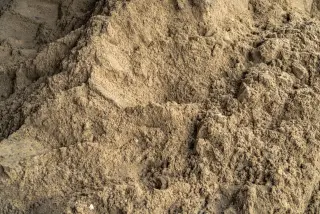
NASA’s Curiosity rover has confirmed the presence of pure, elemental sulfur on Mars, a critical ingredient for creating strong concrete using local sand. This discovery removes the final major barrier to building structures on Mars using only indigenous materials, as previous methods required pure sulfur which was previously thought to be absent. The technique involves heating sulfur to 116°C and mixing it with sifted Martian sand in a 50/50 ratio, producing a material with compressive strength comparable to modern Earth concrete. This advancement supports the feasibility of future human habitats without relying on transporting heavy building materials from Earth.

Why Saudi Arabia Ships Sand from Australia Despite Sitting on the World's Largest Desert
science3 months ago

Why Saudi Arabia Ships Sand from Australia Despite Sitting on the World's Largest Desert

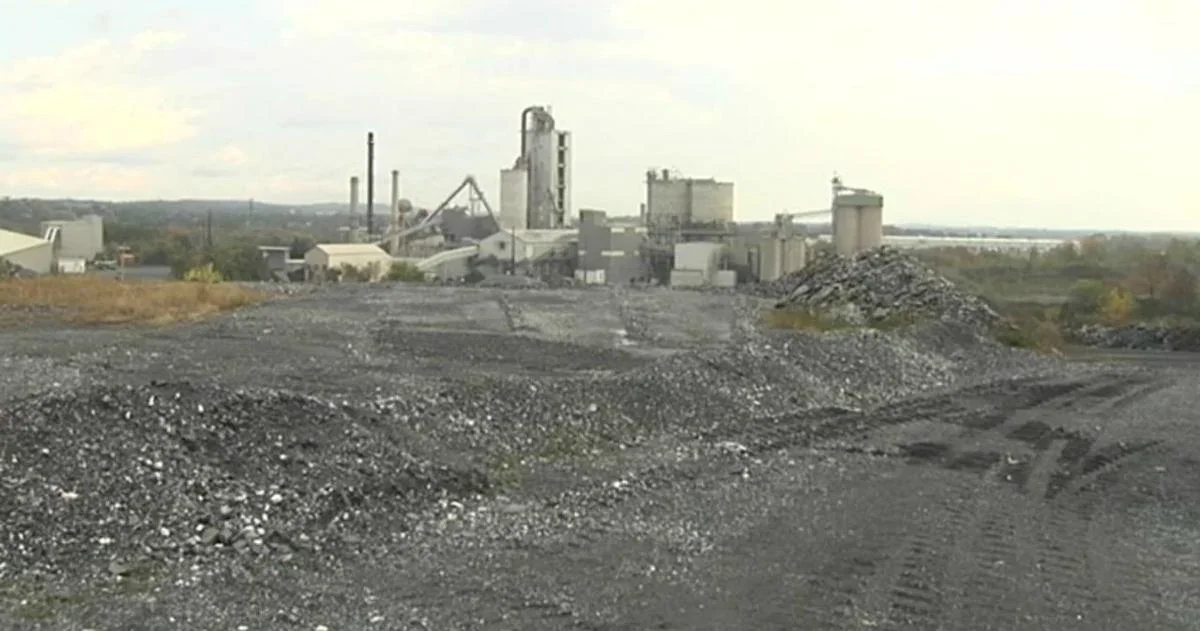
Saudi Arabia imports construction sand from Australia and Scotland because the wind-polished grains in its massive Empty Quarter are too smooth to bind effectively in concrete. While the country sits on 650,000 square kilometers of dunes, these aeolian sands lack the angularity required for structural integrity, forcing reliance on jagged river or quarry sand. This paradox highlights a global 'sand gap' where demand for construction aggregate is outpacing natural replenishment, driving international trade for specific grain geometries.

"The Secret to Ancient Roman Concrete's Longevity Revealed"
science-and-technology2 years ago

"The Secret to Ancient Roman Concrete's Longevity Revealed"

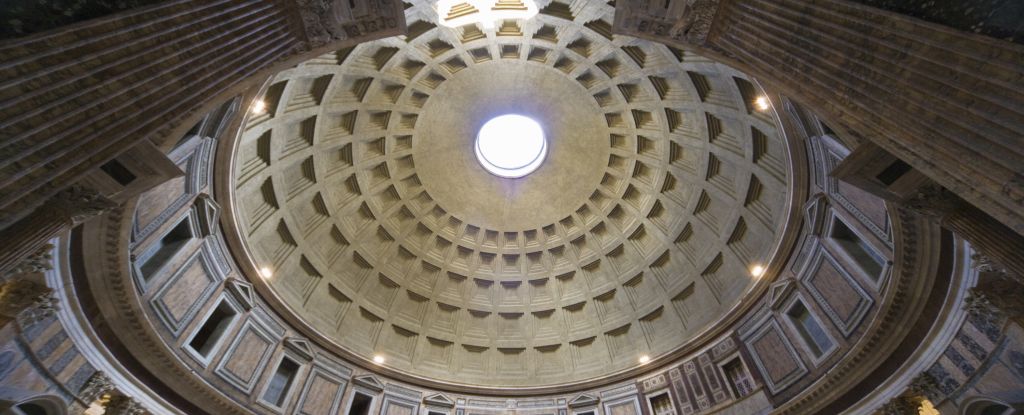
A team of researchers led by MIT has discovered that ancient Roman concrete, known for its durability, was likely made using a technique called "hot mixing" that involved combining quicklime directly with pozzolana and water at high temperatures. This method not only produced high-temperature-associated compounds that enhanced the concrete's strength, but also gave it remarkable self-healing abilities. The presence of lime clasts in the concrete allowed cracks to be filled with calcite, preventing further damage. The team is now working on commercializing this more durable and environmentally friendly concrete as an alternative to current formulations.

"Brad Jacobs Sets Sights on Construction Materials for Lucrative Consolidation"
business2 years ago

"Brad Jacobs Sets Sights on Construction Materials for Lucrative Consolidation"

Serial deal maker Brad Jacobs, executive chairman of XPO, is launching a new tech-focused company called QXO, which aims to acquire businesses in the building-products distribution industry. QXO will focus on distributing products such as lumber, doors, windows, and landscaping supplies. Jacobs has a track record of building multibillion-dollar companies through acquisitions in various sectors.

Cracking the Secret of Ancient Roman Concrete's Durability
science-and-technology3 years ago

Cracking the Secret of Ancient Roman Concrete's Durability

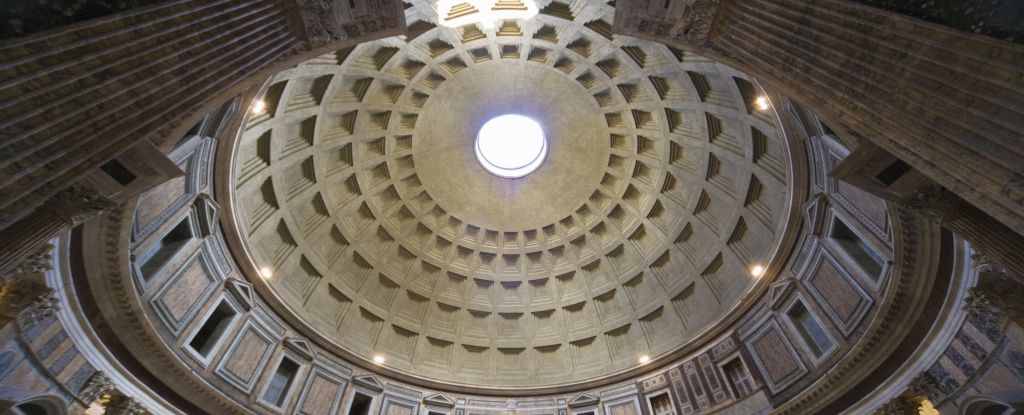
Researchers from MIT have discovered the secret behind the durability of ancient Roman concrete. Contrary to previous beliefs, the team found that the Romans used a technique called "hot mixing," which involved directly mixing quicklime with pozzolana and water at high temperatures. This method resulted in the formation of lime clasts, which gave the concrete remarkable self-healing abilities. When cracks formed, water reacted with the lime clasts to form calcium carbonate, effectively gluing the crack back together. The team is now working on commercializing this more durable concrete as an environmentally friendly alternative.