
Gorilla Jojo’s lifelong isolation prompts experts to seek a companion despite complex risks
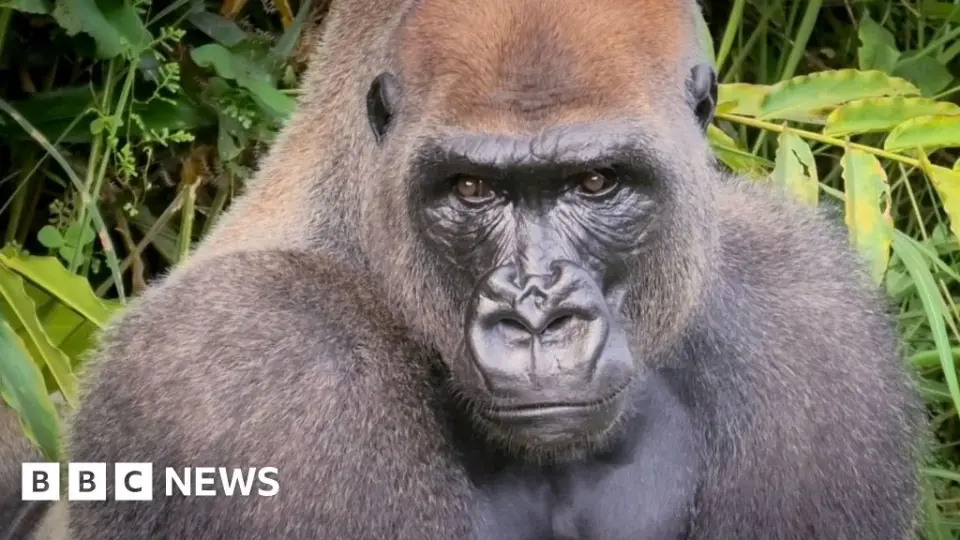
Jojo, a mature gorilla in Gabon, has lived alone since being captured as an infant. Researchers are attempting to find him a companion to address severe trauma, but international regulations and health concerns complicate the process.
Key points
- Jojo was taken from the wild as an infant after his family was killed by poachers and kept in a small cage at a private zoo in Gabon.
- He now resides at the Lekedi Foundation but remains solitary, a condition described by experts as extreme isolation for a great ape.
- Thermal imaging by Prof Gillian Forrester reveals Jojo has a chronically cold nose, indicating a malfunctioning stress response and chronic anxiety.
- Keepers and researchers believe a companion could help heal his trauma, but finding a compatible animal is difficult due to a lack of clear international protocols for non-breeding transfers.
- Some experts warn that introducing a new animal could cause additional stress, as Jojo is fully mature and may be too old to bond effectively.
Background
This story highlights the long-term psychological impact of early separation on great apes. While previous coverage in our archive focused on AI behaviors and environmental policy, this case underscores the biological necessity of social bonds for primate health. Jojo’s situation contrasts with wild gorilla societies, where males often live alone after adolescence, but his isolation began in infancy, preventing normal social development.
Why it matters
The case of Jojo illustrates the ethical and logistical challenges in rehabilitating traumatized primates. It highlights gaps in international wildlife regulations, which are designed for breeding rather than therapeutic companionship, and raises questions about the long-term welfare of animals rescued from the illegal pet trade.
What to watch
Researchers are continuing to contact accredited zoos to find a compatible companion, though progress has stalled due to regulatory hurdles. The Lekedi Foundation aims to eventually release Jojo into the wild, which requires him to form social bonds first.
Want the full story? Read the original reporting
Read on BBC