
Lingering quakes hint at long-term crustal memory at NK’s Punggye-ri site
TL;DR
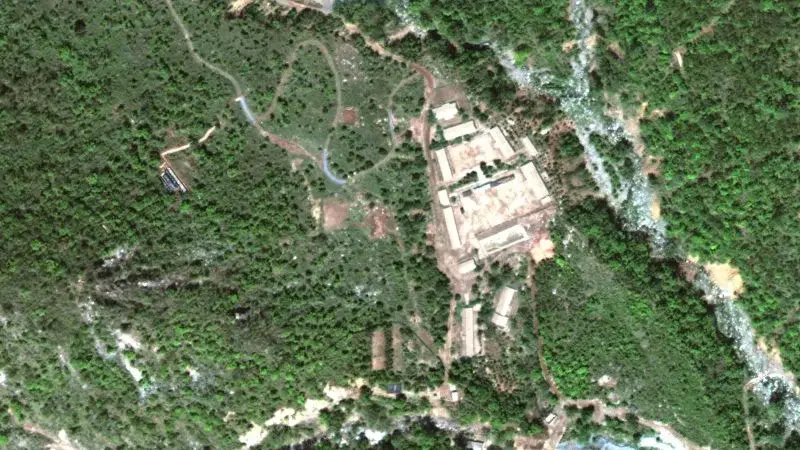
A Science study analyzing data from 2008–2025 finds a sustained rise in seismic activity around North Korea’s Punggye-ri nuclear test site, intensifying after the 2017 detonation. Most quakes are small (magnitude 2–3) and shallow, suggesting preexisting intraplate faults near Mount Mantap were reactivated and that the final test may have triggered long-lasting crustal instability. The finding could complicate long-term monitoring of underground tests, and while no new tests are confirmed, data limitations mean the true rate of seismicity could be higher.
- Area near North Korean nuclear site has experienced nearly 1,400 quakes CNN
- North Korea’s nuclear tests have turned this mountain into an earthquake hot spot Scientific American
- North Korea Stopped Nuclear Testing in 2017 – But Triggered Nearly 1,400 Earthquakes Since ScienceAlert
- North Korea’s Underground Nuclear Tests Are Reactivating Dormant Earthquake Fault Lines Gizmodo
- North Korea’s 2017 Nuclear Test Was Followed by Years of Rising Earthquake Activity | Ukraine news - #Mezha Межа. Новини України.
Want the full story? Read the original reporting
Read on CNN