
Ötzi’s microbes survive millennia, reshaping view of ancient microbiomes
TL;DR
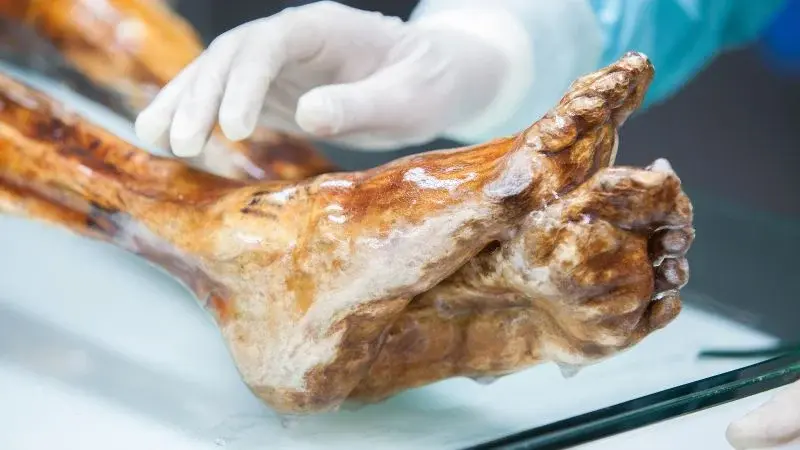
DNA analysis of Ötzi the Iceman’s 5,300-year-old remains shows ancient fungi and gut bacteria still alive, with cold-adapted species likely colonizing his body and possibly slowly multiplying in tiny pockets of mummy moisture; some microbes are extremely rare in modern industrialized populations, suggesting a distinct Alpine microbiome. The findings highlight microbial longevity in frozen remains and raise considerations for preservation and our understanding of ancient ecosystems.
- Ötzi the Iceman: Ancient microbes are dormant but alive thousands of years after mummy’s death CNN
- Scientists make sourdough bread using yeast found in 5,000-year-old mummy The Guardian
- Some ancient microbes frozen with Ötzi the Iceman are still growing Ars Technica
- Scientists Made Sourdough Bread With Yeast Found on Ötzi the Iceman’s Mummified Body Smithsonian Magazine
- Science news this week: Ötzi the Iceman used to make sourdough, Italian teenagers discover Roman villa under school, Google plans to release 64 million mosquitos, and RIP to NASA's Maven probe Live Science
Want the full story? Read the original reporting
Read on CNN