
OpenAI shuts down Iranian and Russian AI-driven propaganda networks targeting global media
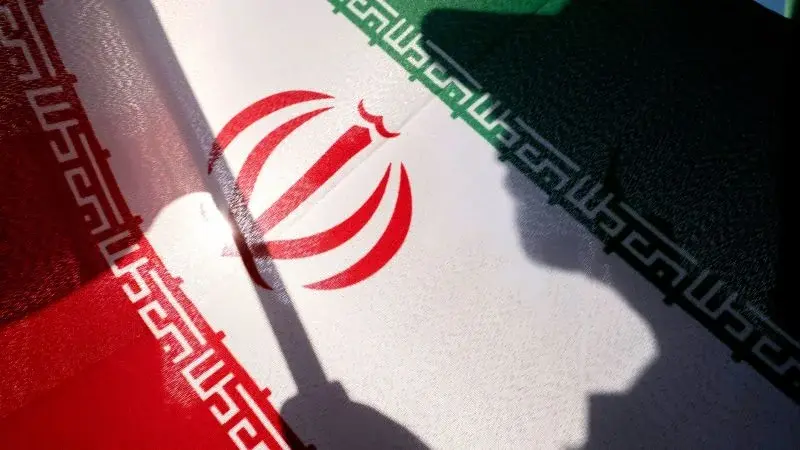
OpenAI announced the takedown of two state-linked influence operations using ChatGPT to generate fake news. The Iranian campaign planted anti-war articles in US outlets, while the Russian effort co-opted Latin American staff to undermine Ukraine. Both operations utilized AI to create fake journalist personas and social media comments.
Key points
- OpenAI banned accounts linked to Iranian operatives who used ChatGPT to generate approximately 100 articles across a dozen global outlets, posing as seven fake Western journalists.
- The Iranian operation focused on anti-US war narratives, with articles appearing in outlets like LA Progressive and Middle East Monitor, which subsequently removed the content.
- A separate Russian operation utilized a fake think tank, the Social Research Center, to influence Latin American schools and politicians, aiming to damage Ukraine's reputation in the region.
- OpenAI described the Russian campaign as its most complex disruption to date, noting that the co-opted staff in Latin America were unaware they were working for a Russian group.
- The Iranian operation's activity increased significantly after the US-Iran war began earlier in 2026, with the earliest identified article dating back to July 2025.
Background
This incident follows a series of AI-driven disinformation campaigns reported in 2026, including a fake Israeli-backed think tank that attempted to poison AI training data and 'pity scams' targeting veterans. These events highlight a growing trend where state and non-state actors leverage generative AI to bypass traditional media gatekeepers and manipulate public opinion at scale.
How outlets are covering it
CNN emphasized the Iranian operation's success in placing content in US media, noting that while the outlets were not major mainstream publications, some had significant followings. NBC News highlighted the Russian operation's reach into Latin America, describing it as the most far-reaching influence campaign OpenAI has disrupted. France 24 provided a broader view, detailing the technical specifics of the fake personas, such as the 'Ervin B. Hoskins' profile, and the timeline of the operations spanning from mid-2025 to October 2026.
Why it matters
The exposure of these operations demonstrates how AI tools can be weaponized to launder foreign propaganda through legitimate media channels, making it harder for audiences to distinguish between authentic journalism and state-sponsored disinformation. This raises significant concerns for media integrity and the potential for AI to obscure the origins of geopolitical messaging.
What to watch
OpenAI has banned the identified accounts and is likely to enhance detection mechanisms for similar patterns. Affected outlets are reviewing their submission processes to prevent future infiltration. Analysts expect increased scrutiny on AI-generated content in geopolitical conflicts, particularly regarding the US-Iran and Ukraine-Russia wars.
- Iranian operatives used AI to plant fake stories in multiple US media outlets CNN
- OpenAI caught Russians and Iranians using ChatGPT for influence campaigns NPR
- Russian operation that used ChatGPT tricked schools, a politician and media, OpenAI says NBC News
- OpenAI bans Russian, Iranian ChatGPT propaganda networks France 24
- OpenAI users in Russia, Iran used models to push political agenda online, in media The Hill
Want the full story? Read the original reporting
Read on CNN