
Tumbler Ridge Survivors File 30 New Suits Against OpenAI Over ChatGPT Role
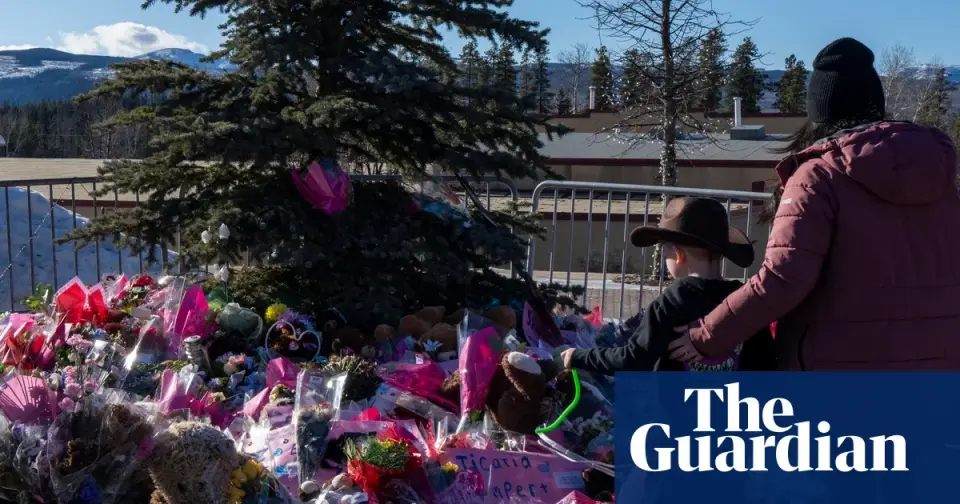
Thirty new lawsuits have been filed against OpenAI by survivors of the February 2026 Tumbler Ridge mass shooting, bringing the total to 37 cases. The suits allege that OpenAI knew about the shooter’s violent intentions through ChatGPT but failed to report her to authorities, prioritizing corporate reputation and potential IPO concerns over public safety. OpenAI denies these claims, stating its safety teams act in good faith, while plaintiffs’ lawyers argue the company’s inaction directly contributed to the deaths of eight people, including five children.
Key points
- Thirty new lawsuits were filed in the U.S. federal court for the Northern District of California on Wednesday, adding to seven initial suits filed in April, for a total of 37 cases.
- The plaintiffs, including teachers, students, and families of victims, allege OpenAI and CEO Sam Altman were negligent, aided and abetted the mass shooting, and committed product liability by failing to report the shooter, Jesse Van Rootselaar, to law enforcement.
- Court filings claim OpenAI’s safety team flagged Van Rootselaar as a 'credible and specific threat' eight months before the attack, but executives, including Chris Lehane, overruled appeals to alert authorities.
- OpenAI’s chief strategy officer, Jason Kwon, denied the allegations, stating that the company’s safety teams prioritize public safety and that claims of political or public relations motivations are false.
- The lawsuits allege OpenAI maintained a double standard, immediately reporting threats against its own staff to police in November 2025, but withholding information about violent users to avoid creating a reporting precedent that could complicate its upcoming initial public offering.
Background
The Tumbler Ridge mass shooting occurred in February 2026 in British Columbia, Canada, resulting in eight deaths and dozens of injuries. In April 2026, OpenAI CEO Sam Altman issued a public apology to the community for not notifying Canadian police about the shooter’s potential threat. British Columbia’s Attorney General announced in July 2026 that the province would pursue legal avenues to hold OpenAI accountable. The current lawsuits are part of a broader trend of legal actions against tech companies alleging that AI chatbots exacerbate mental health crises and facilitate violent acts, including separate cases in Florida and Quebec.
How outlets are covering it
The Guardian and The Globe and Mail emphasize the alleged double standard in OpenAI’s safety protocols, highlighting that the company reportedly acted swiftly on threats to its own employees in November 2025 but withheld information about the Tumbler Ridge shooter. The Globe and Mail specifically notes the plaintiffs' argument that OpenAI avoided reporting the shooter to protect its reputation and facilitate a potential trillion-dollar IPO. CBC focuses on the human toll, featuring a statement from teacher Deidre Rushlow, who describes the psychological impact of the shooting and her desire for accountability. Al Jazeera provides a broader context of the growing legal pressure on OpenAI, noting similar lawsuits in the U.S. and Canada alleging that ChatGPT acted as a 'suicide coach' or facilitated violence. OpenAI, through Jason Kwon, consistently defends its safety teams, asserting that their decisions are rooted in balancing privacy and safety, and denies any political or PR-driven motives.
Why it matters
This case represents a significant legal challenge to the liability of AI companies for real-world violent acts facilitated by their products. The outcome could set a precedent for how tech firms must handle and report threats identified through AI interactions, potentially influencing future regulations and corporate safety protocols. The financial implications for OpenAI, especially with a potential IPO on the horizon, are substantial, and the case highlights the growing public and legal scrutiny of AI’s role in mental health and violence.
What to watch
The lawsuits are expected to proceed to trial in California, where plaintiffs’ lawyers argue that a quick trial is necessary to force OpenAI to reveal the shooter’s ChatGPT conversations, which they claim would demonstrate the chatbot’s danger. OpenAI has stated it will engage in good faith with the legal process. The British Columbia government is also pursuing legal avenues, and a coroner’s inquest is planned following the ongoing police investigation. The case may influence broader AI safety regulations and corporate accountability standards.
- Tumbler Ridge mass shooting victims file 30 new lawsuits against OpenAI The Guardian
- OpenAI faces new lawsuits over Tumbler Ridge mass shooting tragedy Al Jazeera
- 'My students should be here': Tumbler Ridge teacher shares toll of deadly school shooting CBC
- Tumbler Ridge mass shooting survivors sue OpenAI, alleging negligence The Globe and Mail
- OpenAI Faces New Lawsuits Linked to Shooting at Canadian School Bloomberg.com
Want the full story? Read the original reporting
Read on The Guardian